Chapter Three: How to Interpret the Constitution

Published December 23, 2020

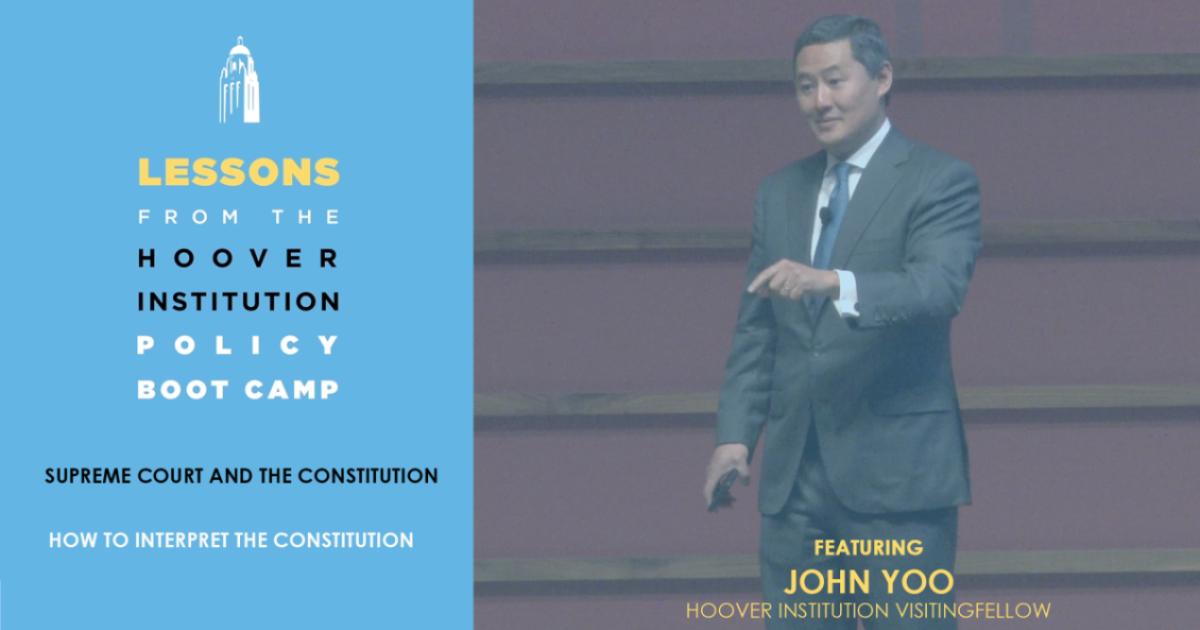
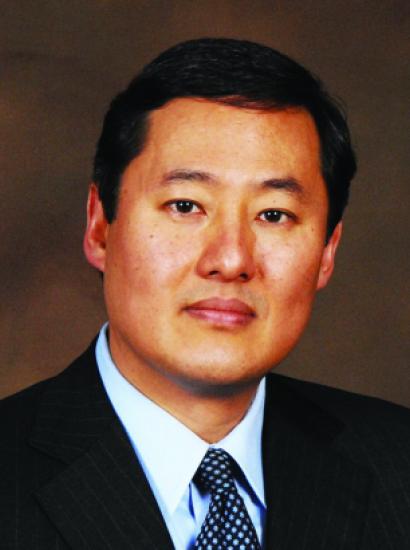
John Yoo explains how the Supreme Court interprets the Constitution and makes decisions on significant political and social issues. When the Supreme Court rules on a constitutional issue, that judgment is virtually final. Reversing those decisions only occur through constitutional amendments or new rulings by the Supreme Court..

Interested in attending the Hoover Institution Summer Policy Boot Camp? Click here for more information.

Discussion Questions

  1. How does the Supreme Court compare in its power to the other two branches of government?
  2. If you were president and had the opportunity to make an appointment to the Supreme Court, how would you choose your nominee?

Additional Resources

  • To learn more, read “Socialism vs. the American Constitutional Structure: The Advantages of Decentralization and Federalism,” by John Yoo. Available here.
  • Watch “The Supreme Court’s Role in Restoring Federalism,” with John Yoo. Available here.
  • Watch “Executive Power in the Constitution,” with John Yoo via C-SPAN. Available here.

Cast

John Yoo

John Yoo

Related

Articles

The Presidential Seal Of Disapproval

Demonizing Donald Trump is a recurring theme in the closing arguments for California ballot initiatives. That’s even true of one measure making permanent a “temporary” state tax increase that has nothing to do with the president—but says plenty about the Golden State’s fiscal house of cards.    

October 22, 2026

Articles

After The Blue Wave

Why we still need democratic reform.

October 21, 2026

Articles

United CEO’s Wealth Tax Would Hit His Own Shareholders

Scott Kirby wants a national wealth tax and inheritance taxes near 100%. Among those who would pay are the investors he ultimately works for.

October 20, 2026