Published: January 17, 2018

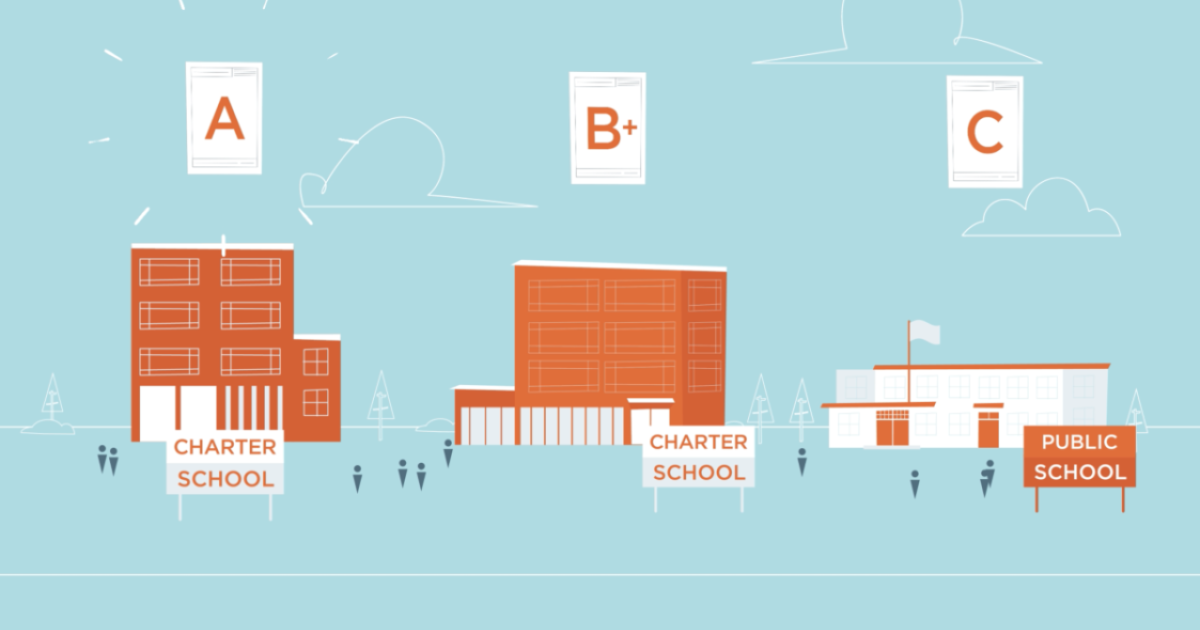
Charter schools are leading the way in improving public education in America, especially for students who are traditionally underserved. Charter school students in urban areas and in schools run by Charter Management Organizations show strong learning gains compared to their peers in district schools.

Discussion Questions

  1. Why is there so much opposition to charter schools?
  2. What can public schools learn from charter schools?
  3. What can private schools learn from charter schools?

Additional resources

  • Read “L.A. could learn a lot about charter schools from the Big Apple” by Margaret Raymond, available here.
  • Read “It’s Time to Get Serious About Charter School Quality” by Margaret Raymond, available here.
  • Read "How Well Are Teachers Doing? by Margaret Raymond, available here

For much more, visit: credo.stanford.edu
Cast

Margaret (Macke) Raymond

Margaret (Macke) Raymond

Charter schools represent the largest attempt to innovate in U.S. public education in fifty years.

More than 7,000 now operate around the country educating over 3 Million students.

And since they’re required to be transparent about their students’ performance, we’ve learned that two groups of students consistently show strong learning gains relative to their peers in the district schools.

The first group are predominantly minority and low income students in urban charter schools. They make substantial gains in both math and reading compared to students in other schools in their area.

The second group are students enrolled in charter school networks called Charter Management Organizations, which are made up of three or more schools under common management.

Their students do even better than those in independent charter schools.

These networks learn what helps their students, and then replicate what works across all the schools they manage.

By identifying proven methods and spreading them to other schools, districts, and communities, charter schools are leading the way in improving education in America, especially for students who are traditionally under-served.

Related

Videos

Professor Sean Westwood Explains How AI Bots Are Faking Human Responses In Online Surveys

Hoover Institution fellow Sean Westwood sounds the alarm after an AI bot he programmed was able to fool online surveys into thinking it was a human respondent. Westwood says or 75 years, the problem with polls was that they sometimes got human opinion wrong. The problem now is that they may not involve humans at all.

September 3, 2026

Videos

How Thomas Sowell Thankfully Made Me A Contrarian Educator

Ian Rowe explains how Thomas Sowell’s uncompromising pursuit of truth inspires students to reject victimhood and become architects of their own lives.

September 8, 2026

Videos

Why Churchill Still Matters: Andrew Roberts On Great Men in History

Historian Andrew Roberts joins Peter Robinson to defend Winston Churchill’s legacy and explore how great leaders, historical memory, and the lessons of the past can guide a troubled West.

September 8, 2026 • 0 Min Watch