Podcasts
Dr. Condoleezza Rice One-On-One With Guy Benson
Hoover Institution Director Condoleezza Rice discusses her time as secretary of state, the elections, the wars, college sports, and much more.
November 13, 2026
Published July 21, 2021
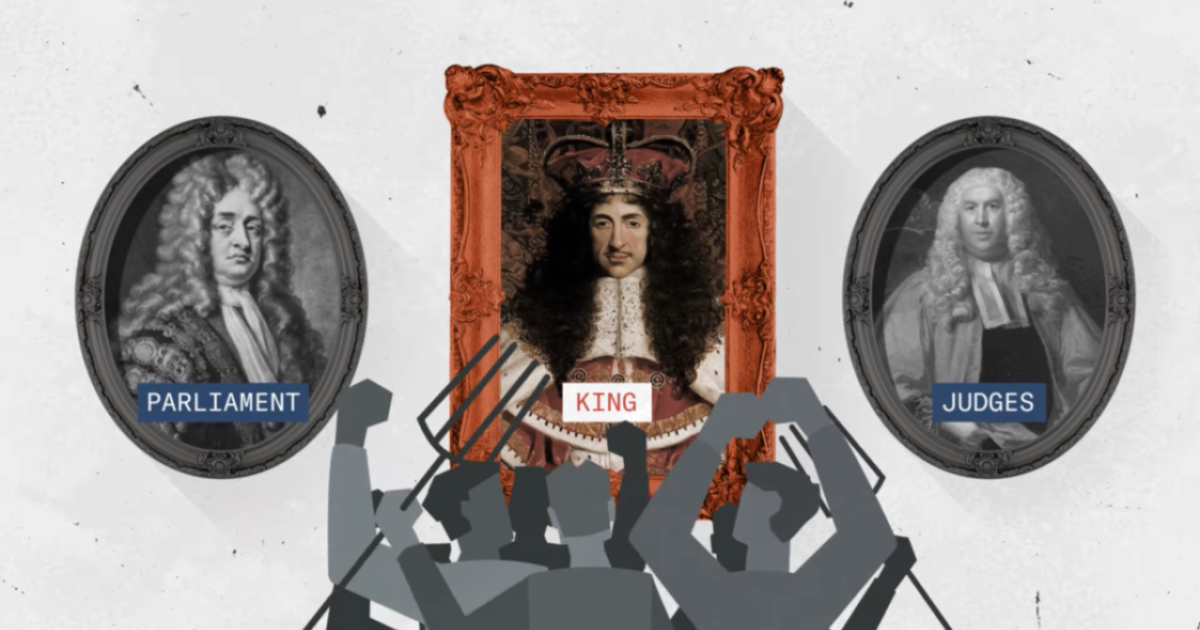
England’s Glorious Revolution of 1688 underscores the need for an independent judiciary, an open market, and institutions that protect private property rights. England underwent an economic revolution when changes to the rules governing the behavior of the sovereign meant the government could no longer take private property without consequences. Yet even in modern times, not all nations have learned the lesson. To innovate and flourish, a credible commitment to protect property rights is required, and that requires institutions to check those in power.
Discussion Questions:
Additional Resources:

Barry R. Weingast
Podcasts
Hoover Institution Director Condoleezza Rice discusses her time as secretary of state, the elections, the wars, college sports, and much more.
November 13, 2026
Articles
The lawmaking process in Congress has been atrophying for years, and by some measures these past two congresses have been the least productive in modern history.
November 9, 2026
Videos
In the aftermath of America’s midterm election, what's next for the nation’s political parties? Robert Grady discusses options for the incoming Democratic Congress and a Republican, plus how the 2028 presidential field is taking shape.
November 13, 2026