Working Papers
A Network Approach to Geopolitics
Economics Working Paper 26127
October 16, 2026

Steven Davis chats with Ross Levine about how the rule of law and competition foster prosperity and freedom in a system of market-based capitalism. They highlight the moral dimensions of the case for capitalism and its limits. They explain why the state is necessary for well-functioning markets, and how state power can undermine competition, prosperity, and freedom. They also discuss the toughest challenge facing a capitalist, or any, society – how to ensure widespread opportunity.
Recorded on August 4, 2026.
ABOUT THE SPEAKERS
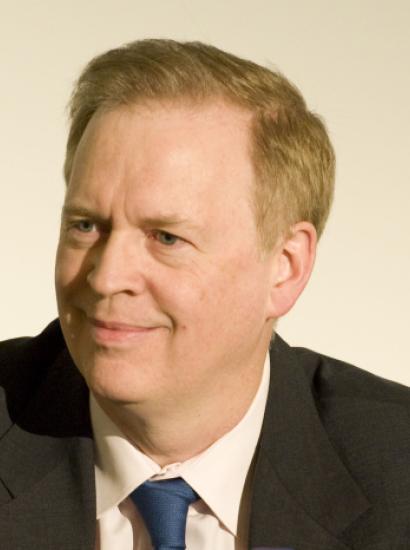
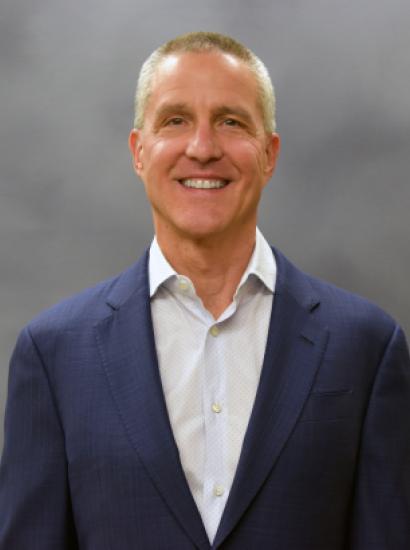
Ross Levine is the Booth Derbas Family/Edward Lazear Senior Fellow at the Hoover Institution at Stanford University. He co-directs Hoover’s Financial Regulation Working Group and is a founding member of the Hoover Program on the Foundations for Economic Prosperity. Levine’s research explains how financial regulations and the functioning of financial systems influence economic prosperity, including growth, stability, technological innovation, entrepreneurship, job opportunities, poverty, income distribution, and the environment. Besides authoring or editing six books, he has published nearly 200 articles in leading economics, finance, and management journals.
Steven Davis is the Thomas W. and Susan B. Ford Senior Fellow and Director of Research at the Hoover Institution, and Senior Fellow at the Stanford Institute for Economic Policy Research (SIEPR). He is a research associate of the NBER, IZA research fellow, elected fellow of the Society of Labor Economists, and a consultant to the Federal Reserve Bank of Atlanta. He co-founded the Economic Policy Uncertainty project, the U.S. Survey of Working Arrangements and Attitudes, the Global Survey of Working Arrangements, the Survey of Business Uncertainty, and the Stock Market Jumps project. He also co-organizes the Asian Monetary Policy Forum, held annually in Singapore. Before joining Hoover, Davis was on the faculty at the University of Chicago Booth School of Business, serving as both distinguished service professor and deputy dean of the faculty.
SOURCES
Working Papers
Economics Working Paper 26127
October 16, 2026
Videos
How did Donald Trump go from political defeat and the aftermath of January 6 to a second term in the White House?
October 19, 2026
Videos
Mickey Levy on his early career working with Alice Rivlin at the Congressional Budget Office and with Arthur Burns at AEI, as well as being part of the Shadow Open Markets Committee from its early days in the 1970s.
October 16, 2026