




Articles
The Rich World’s Climate Distraction
The World Bank and other institutions lose their focus on the best ways to help the poor.
September 1, 2026
Published January 7, 2021
Although it may seem like free-market capitalism and environmentalism are at odds with one another, economic prosperity leads to more environmental protection, not less. Countries become wealthier when they have well-defined and enforceable property rights. Those same property rights lead to more environmental protection by both private individuals and the government.
Discussion Questions:
Additional Resources:
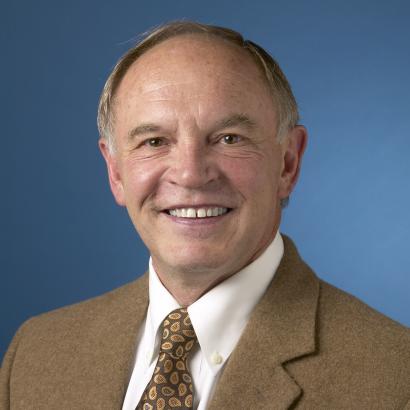
Terry Anderson
At first glance, free-market capitalism and environmentalism appear to be at odds with one another.
Fossil fuels help economies expand, but they also pump emissions into the air.
Urbanization replaces green land and forests.
But a closer look at history makes one thing clear: Economic prosperity leads to more protection for the environment, not less.
The wealthier a country gets, the more likely it is to act in an environmentally friendly way.
It turns out that the institutions that lead to wealth and prosperity also promote a cleaner environment.
One way for countries to become wealthier is to have well-defined and enforceable property rights.
People are able to invest with more certainty when they know that they can keep their rewards from working. But the benefits of property rights don’t stop there.
These rights also give people the incentive to conserve their property and protect against environmental degradation.
In poorer countries, people prioritize the use of natural resources to increase their wealth.
Moreover, those countries generally lack legal protections or norms that allow people to enforce their rights against environmental degradation.
If we want more environmental progress, we should encourage wealth creation, including environmental goods and services through markets based on strong, tradeable, and enforceable property rights.
In short, we need to create individual incentives for preserving precious resources for future generations.
Articles
The World Bank and other institutions lose their focus on the best ways to help the poor.
September 1, 2026
Videos
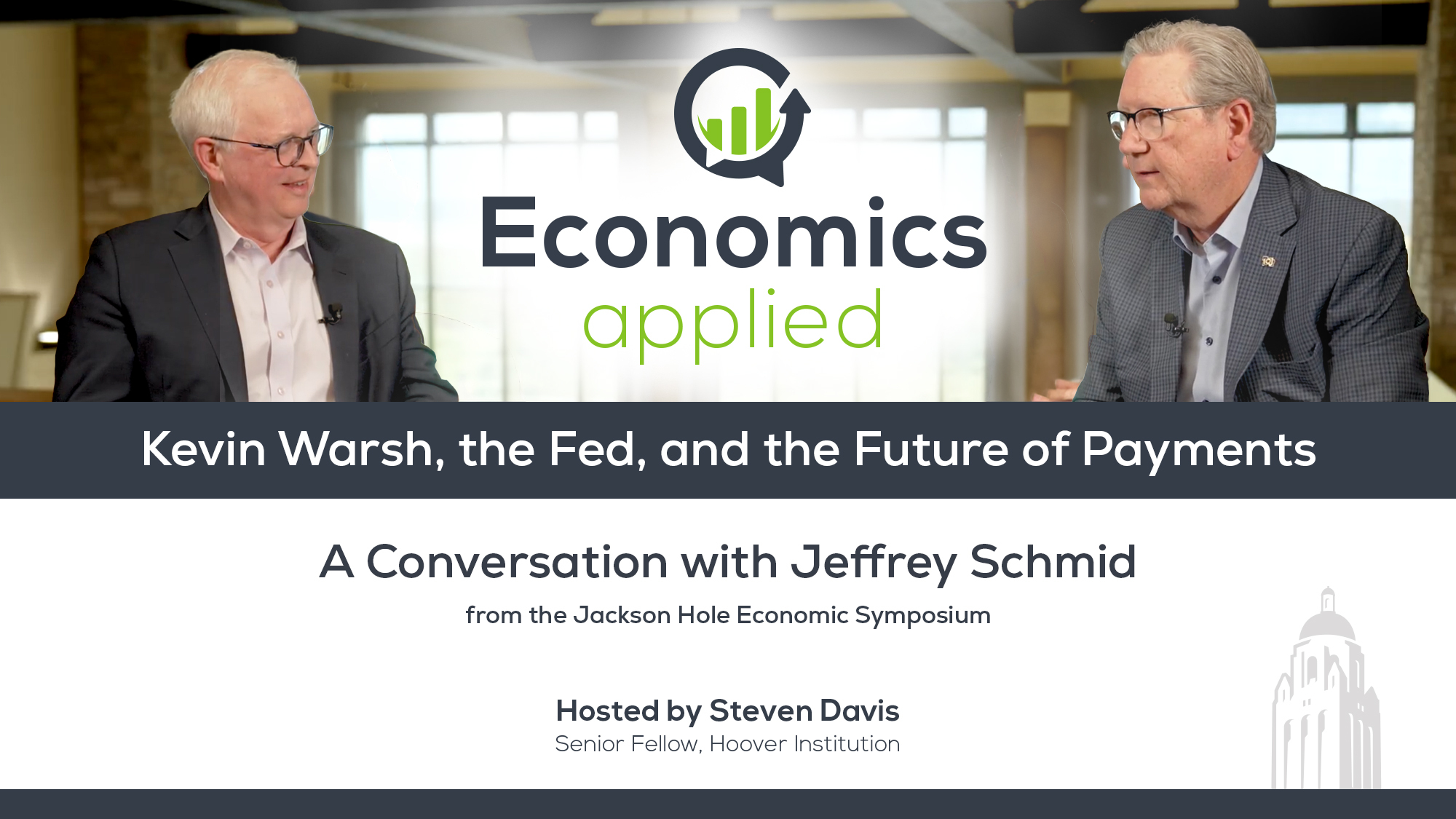
Richmond Fed president and CEO Tom Barkin joins Steve to discuss Kevin Warsh’s keynote speech at the Jackson Hole Economic Policy Symposium.
September 4, 2026
Videos
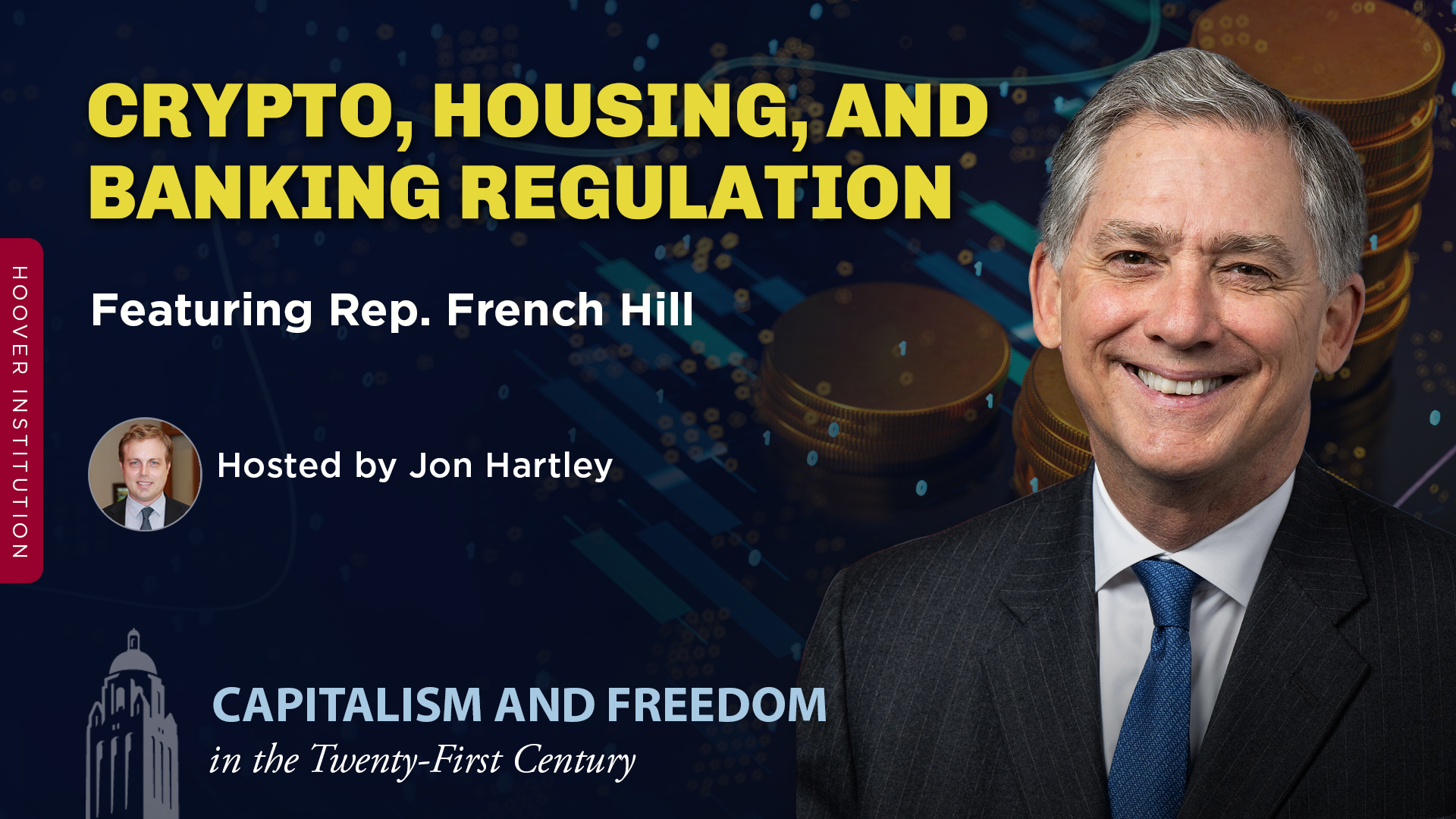
House Financial Services Committee chair French Hill joins Jon Hartley to discuss housing supply in the United States, crypto rules, securities reform, and expanding access to capital.
September 1, 2026