Edward Lazear On How To Reduce Income Inequality

Published: February 20, 2019

Tax policy and redistribution do not solve the underlying structural problem of income inequality. Redistribution and tax policy are only temporary fixes. For a permanent solution, we need to focus on reducing the skills gap by increasing the skills of individuals at the bottom of the income distribution.

This video’s audio is excerpted from Edward Lazear’s 2017 Hoover Institution Summer Policy Boot Camp lecture. 

The Hoover Institution’s Summer Policy Boot Camp is an intensive, one-week residential immersion program in the essentials of today’s national and international United States policy for upperclassmen and recent graduates. To learn more, click here.

Additional Resources

  • Read “America’s Economy Isn’t Overheating” by Edward Lazear, available here.
  • Read “Helping the U.S. Economy Keep Up,” by Edward Lazear, available here.
  • Read “Introduction: Firms and the Distribution of Income: The Roles of Productivity and Luck” by Edward Lazear and Kathryn Shaw. Available here.

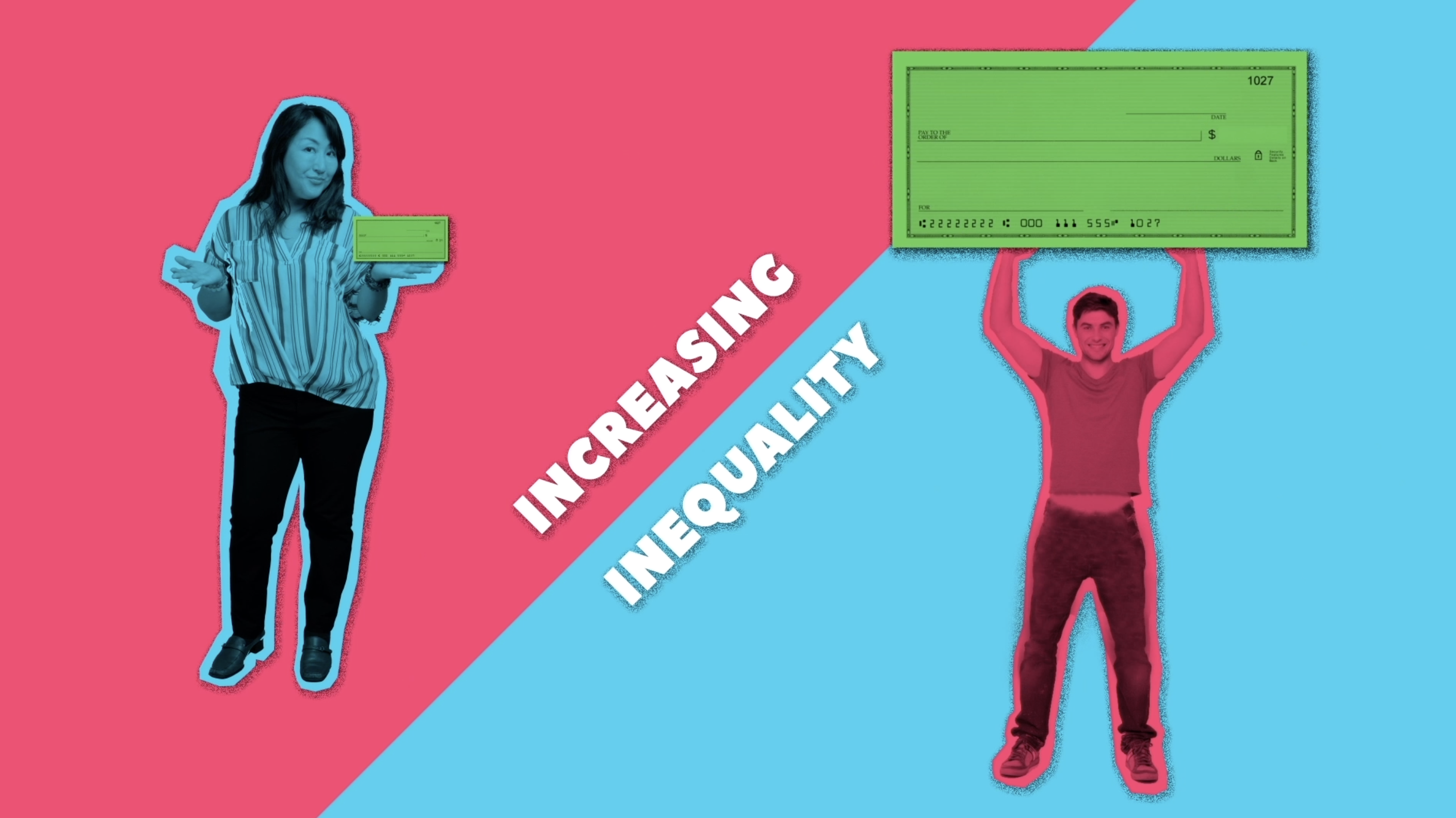
Then finally, how do we address increasing inequality? 

My argument there would be what we need to focus on primarily is skills. 

Tax policy is not a very good way to deal with inequality. 

Tax and redistribution is at best the temporary fix. 

It doesn’t solve the underlying structural problem. 

The question is, how do you fix the problem in the long run? 

If you look at the skill distribution in the United States, there’s too big a gap between the whole lower half of the distribution is just way low relative to the top. 

That skilled gap has increased over time, that’s a big problem. 

What do we want to do? 

Well, we don’t want to kill the skills at the top. 

What we want to do is bring up the skills at the bottom and until we do that, we’re never going to deal with this inequality issue in any kind of a fundamental long-term way. 
Related

Essays

Critical Conditions: An Operating Framework for Allied Economic Statecraft (Japanese)

米国とその同盟国は、重要な原材料、製品、およ び技術が、中国との戦略的競争の核心にあるとい う点で概ね一致している。しかし、経済的な重要度 (クリティカリティ)を定義し、どの資源、技術、製品 が他よりも重要であるかを評価するための、強固で 共通の枠組みを有していない。重要度をめぐる議 論は、抽象的なリスクに終始することが多い。政策 立案者たちは、どの依存関係が武器化される可能 性が最も高いか、世界経済や第三国が武器化に どう適応するか、そして重要な依存関係を事前に 「是正」するためにどれほどのコストがかかるか、と いった点を十分に検討することなく、性急に行動 に移そうとしている。

September 16, 2026

Articles

Government Waste, Fraud, and Abuse

Waste, fraud, and abuse of public funds are among the oldest and most persistent issues in American history.

September 16, 2026

Videos

The Promises And Risks Of Digital Finance

How can we reap the benefits of financial innovation while ensuring a sound, trustworthy financial system? Steven Davis asks IMF head Kristalina Georgieva at Jackson Hole.

September 16, 2026