Published December 2, 2021

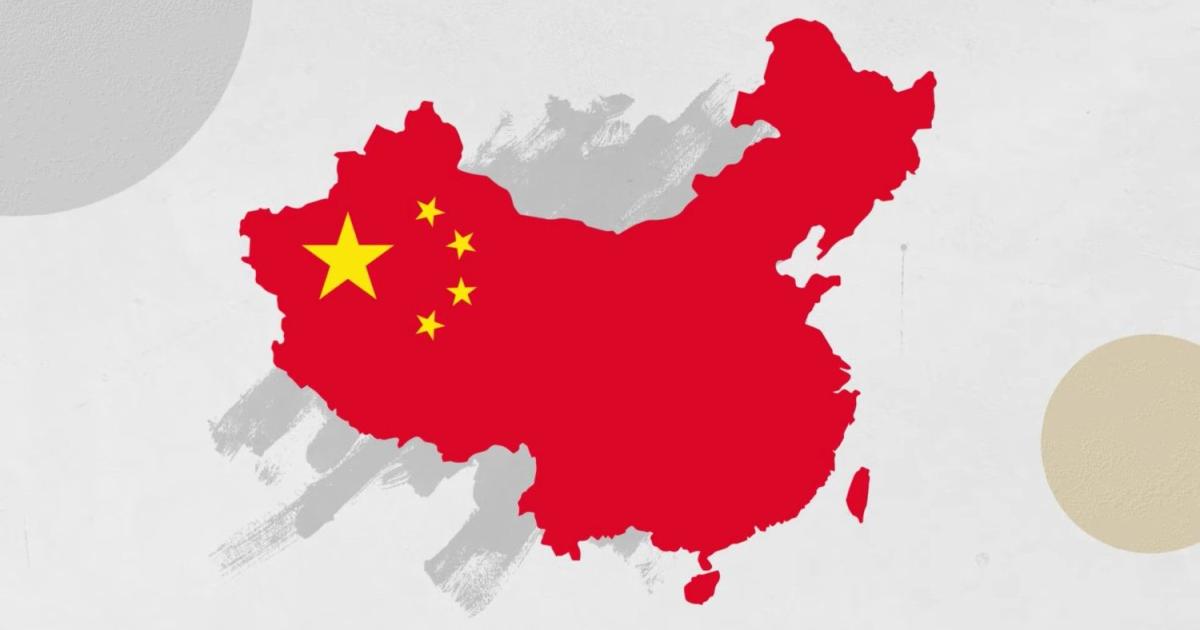
China’s president, Xi Jinping, is pursuing an ambitious and expansive foreign policy while steering the country toward repressive authoritarianism. The Chinese Communist Party has reasserted itself into the daily lives of Chinese people, and President Xi continues to enact strict regulations, giving him control over what goes in and out of the country. Together, these changes have triggered a rethink and reset of United States foreign policy.

Additional Resources:

  • Read “The China Model: Unexceptional Exceptionalism,” by Elizabeth Economy via the Human Prosperity Project. Available here.
  • Listen to “Democracy and Authoritarianism,” with Elizabeth Economy and Larry Diamond via Talks from the Hoover Institution. Available here.
  • Read,“An Order Aligned with Chinese Values,” by Elizabeth Economy via the Lowy Institute. Available here.

There’s been a dramatic shift in how the US foreign policy community understands China: its intentions and its capabilities. 

And this has led to a rethink and a reset of US policy. 

In both countries, analysts and members of the administrations have begun to ask the question whether we are in the midst of a new Cold War. 

So, how have we arrived at this point? 

It’s a function of a dramatic shift in China’s domestic and foreign policies under Xi Jinping in ways that directly challenge US values and interests. 

And it is the determination by the Trump administration that the traditional US approach to China, of engage but hedge, no longer is adequate to manage the bilateral relationship. 

Instead the administration has adopted a policy that I call “compete, counter, and contain.” 

The pandemic is not responsible for the downward trajectory in the US/ China relationship, but it has greatly exacerbated bilateral tensions.

Related

Podcasts

Amidst “A World Of Generational Change”: 9/11’s Lessons And Legacy

The 9/11 attacks on the US were 25 years ago this week and, while there hasn’t been a second such shock, questions remain as to the Free World’s preparedness, whether a divided America can rediscover unity, and the strength of international alliances. Phillip Zelikow, the Hoover Institution’s Botha-Chan senior fellow and executive director of the 9/11 Commission, discusses lessons learned from the attack.

September 11, 2026 • 0 Min Listen

Articles

Twenty-Five Years After 9/11: A Call To Serve

For many Americans, 9/11 changed us in profound ways. The images of planes being flown into buildings, of desperate people jumping from the Twin Towers are seared into our memory. Few can understand the hatred that led nineteen hijackers to intentionally take thousands of lives.

September 8, 2026

Podcasts

25 Years After 9/11: Are We Safer?

Hoover Institution fellow Philip Zelikow explores whether America is truly safer today than on 9/11, how terrorist threats have evolved from centralized sanctuaries to online radicalization, and why conflicts in Gaza and Iran may not drive terrorism the way many assume.

September 2, 2026