













Articles
The Rich World’s Climate Distraction
The World Bank and other institutions lose their focus on the best ways to help the poor.
September 1, 2026
Published: April 21, 2017
Increases in energy efficiency are an often-forgotten component of our shift to clean energy and reduced carbon emissions. Higher prices triggered by the 1973 oil embargo caused America to drastically change how it used energy. The ensuing gains in efficiency had more of an impact on America’s energy consumption than all of the growth in solar, wind, geothermal, natural gas and nuclear energy combined.
For more information, pick up a copy of Energy Efficiency: Building a Clean, Secure Economy, by James L. Sweeney.
Discussion Questions
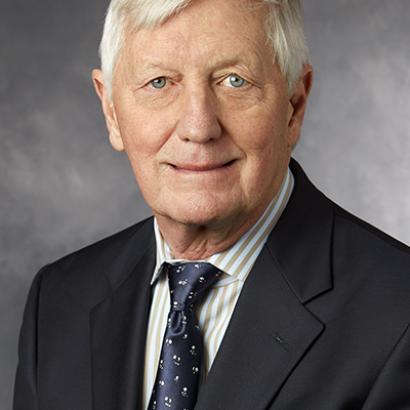
James L. Sweeney
Sometimes it takes a drastic event for us to see the need for major change.
That’s exactly what happened after OPEC’s oil embargo in 1973, and the ensuing energy crisis it created.
The government, businesses, and individuals all felt the effects of soaring energy prices.
Increased awareness and higher prices caused families and businesses to change their energy use behaviors.
Ultimately, this led to the development and use of less energy-intensive products, from appliances to automobiles.
In the years leading up to the OPEC embargo, energy intensity had been falling by merely a small fraction of a percent per year.
Since the embargo... energy use has been falling almost two percent per year for 40 years, right up to today!
This accelerated shift toward efficiency has had a greater effect on America’s energy consumption, energy security, and greenhouse gas emissions than all the growth in solar, wind, geothermal, natural gas and nuclear energy COMBINED!
Of course, pursuing renewable energy sources is ESSENTIAL for reducing carbon emissions, but since efficiency can make such a large contribution, it’s vital that we commit to BOTH approaches.
Articles
The World Bank and other institutions lose their focus on the best ways to help the poor.
September 1, 2026
Articles
This has been a hot summer. We know that the poor are exposed to more heat and have fewer protection strategies to avoid the heat. My Los Angeles has opened public cooling centers and has arranged for transport to help people get to such centers.
August 27, 2026
Articles
Fires in France and Spain this summer have had devastating impacts. More than 2.2 lakh people fled flames west of Bordeaux. Outside Madrid, fires scorched an area twice the size of the capital and, by end-July, had driven nearly 90,000 people from their homes.
August 26, 2026