Working Papers
The Anatomy of Capital Returns over the Very Long Run: Germany, 1465–2025
Economics Working Paper 26128
November 6, 2026

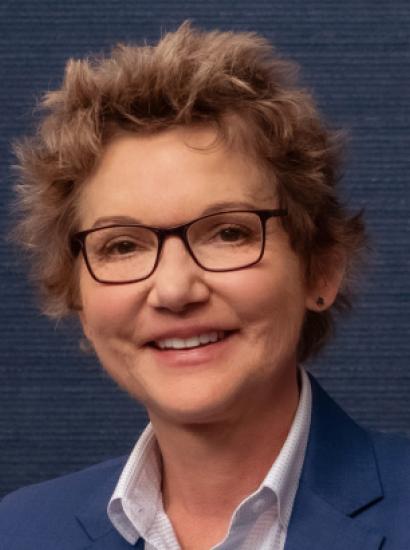
Steve Davis welcomes Mary Daly for a return appearance on Economics, Applied – this time directly from the Federal Reserve Bank of San Francisco. They discuss the Fed’s new communications regime, how the Fed should respond to demand overheating and inflationary supply shocks, and how Daly thinks about the implications of AI technologies for the conduct of monetary policy. Other topics include wage stickiness and whether the banking system is safe from cyberattacks.
Recorded on October 7, 2026.
ABOUT THE GUEST
Mary C. Daly is president and CEO of the Federal Reserve Bank of San Francisco and sits on the Federal Open Market Committee (FOMC), which sets US monetary policy. Previously, she was executive vice president and director of research at the San Francisco Fed, which she joined in 1996. She has advised the Congressional Budget Office, the Library of Congress, and the Social Security Administration. Her research focuses on employment and wage trends, growth, and economic shocks. She holds a PhD in economics from Syracuse University, an MS from the University of Illinois at Urbana-Champaign, and a BA from the University of Missouri-Kansas City.
Working Papers
Economics Working Paper 26128
November 6, 2026
Articles
Where data centers locate to fuel the growth of artificial intelligence (AI) is of burgeoning political importance with economic and environmental implications. We highlight local factors associated with siting and opposition.
November 3, 2026
Event
The Hoover Institution Economic Policy Working Group hosted “Money and Power: Historical Lessons for Stablecoins and U.S Dollar Dominance” with Michael D. Bordo, the Duncan Stewart Distinguished Visiting Fellow at the Hoover Institution.
April 23, 2026