Articles
A Golden State Of Housing Shortages
California wants more homes and less carbon. Its most powerful environmental statute often delivers the opposite of both.
November 16, 2026
Published July 12, 2022
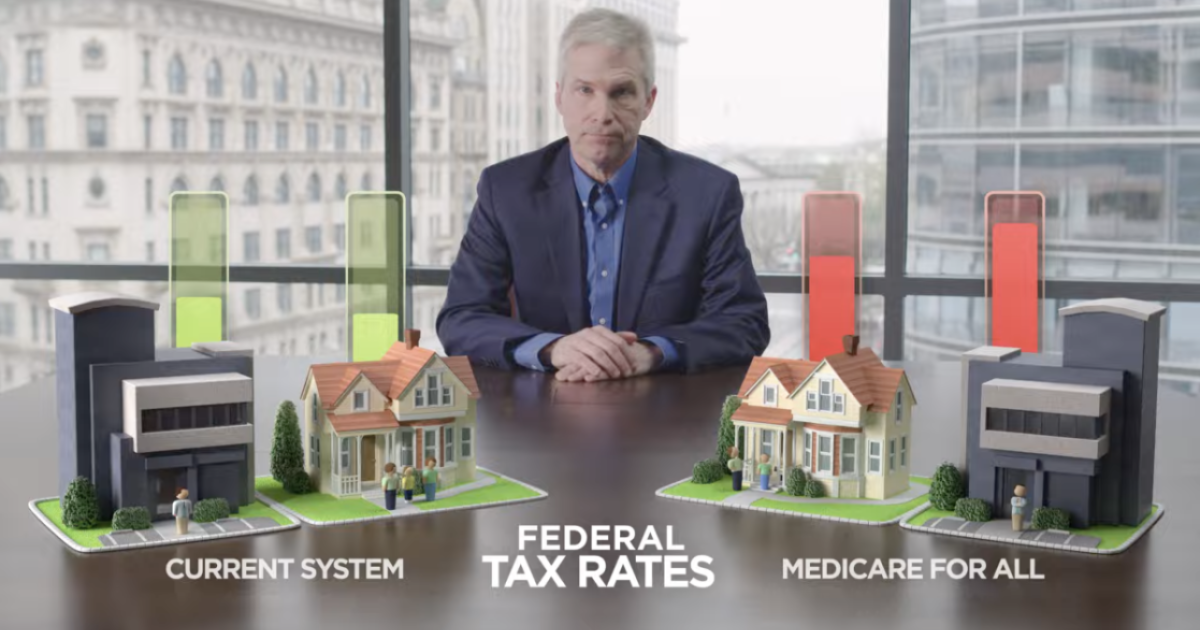
Charles Blahous examines the trade-offs and economic effects of “Medicare for All.” Funding such a program would require massive increases in federal spending and lead to large cuts for doctors, hospitals, and other health care providers. As a result, much of the new care eligible under Medicare for All wouldn’t be met.
Discussion Questions:
Additional Resources:

Charles Blahous
Articles
California wants more homes and less carbon. Its most powerful environmental statute often delivers the opposite of both.
November 16, 2026
Articles
I had the privilege of attending the Fed’s AI (or SI) task force conference, “Reading the signals: How will SI reshape the economy?” at the San Francisco Fed. The conference was live-streamed at that link, so I won’t do too much summary.
November 16, 2026
Essays
Can America's venture-backed defense sector scale? Tracking Department of War contract obligations to roughly eight hundred startups between 2015 and 2026, the authors go beyond three often studied industry leaders—SpaceX, Anduril, and Palantir—to ask: Can the hundreds of smaller firms cross from research dollars into procurement programs?
November 17, 2026