Flexibility For Accountability: Why Charter Schools Succeed

Published: December 20, 2017

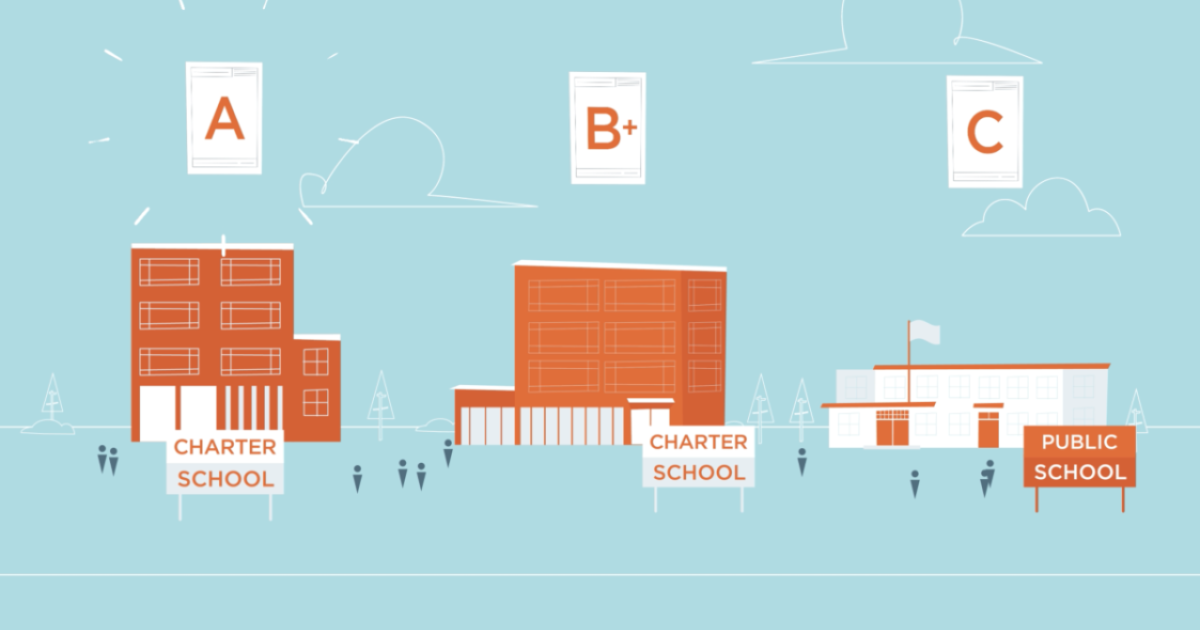
Charter schools are thriving in areas underserved by traditional public schools due to their framework of flexibility for accountability. They are granted flexibility to design and run schools in order maximize student achievement in exchange for being held accountable for their students’ performance. Charter schools have to improve in order to survive. Those that do not perform well need to be removed in order to expand high-performing schools.

Discussion Questions

  1. What advantages does do charter schools enjoy that public schools do not?
  2. Why have we seen an increase in charter schools in recent years?

Additional resources

  1. Read “L.A. could learn a lot about charter schools from the Big Apple” by Margaret Raymond, available here.
  2. Read “It’s Time to Get Serious About Charter School Quality” by Margaret Raymond, available here.
  3. Read "How Well Are Teachers Doing? by Margaret Raymond, available here. 
  4. For much more, visit: credo.stanford.edu

Cast

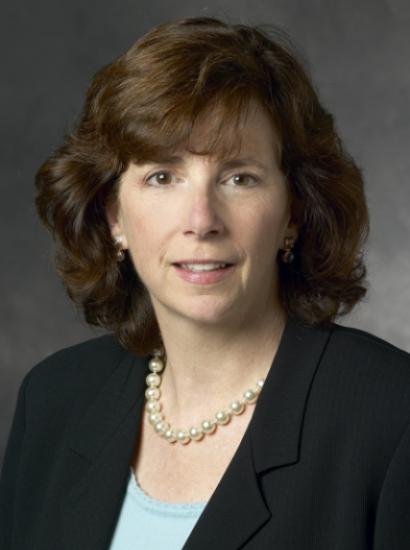
Margaret (Macke) Raymond

Margaret (Macke) Raymond

Related

Videos

Monetary Policy And The Shadow Open Market Committee Since The 1970s

Mickey Levy on his early career working with Alice Rivlin at the Congressional Budget Office and with Arthur Burns at AEI, as well as being part of the Shadow Open Markets Committee from its early days in the 1970s.

October 16, 2026

Videos

The Enduring Influence Of Thomas Sowell

From politics and economics to journalism and culture, leading voices reflect on how Thomas Sowell’s ideas shaped their thinking and continue to inspire new generations.

October 15, 2026

Articles

Why Europe Is Burning

[Subscription Required] Young Europeans are taking to the streets in Paris, Madrid, and Brussels. They say they want more investment in schools and housing. They should be protesting a system rigged for their grandparents.

October 12, 2026