Many states implement environmental policies that aim to reduce carbon emissions. The Renewable Portfolio Standards, or RPSs, are one of these policies. It requires private electric companies to purchase a defined amount of electricity from specified renewable sources, like solar and wind. Sounds like a step in the right direction towards a greener world for all, right?
Well, it would be… if the sun were always shining and the wind were always blowing. But when it isn’t sunny or windy, natural gas and coal power are needed to pick up the slack… Which means that the intended outcome of drastically lowering carbon emissions isn’t really achieved by these RPSs after all.
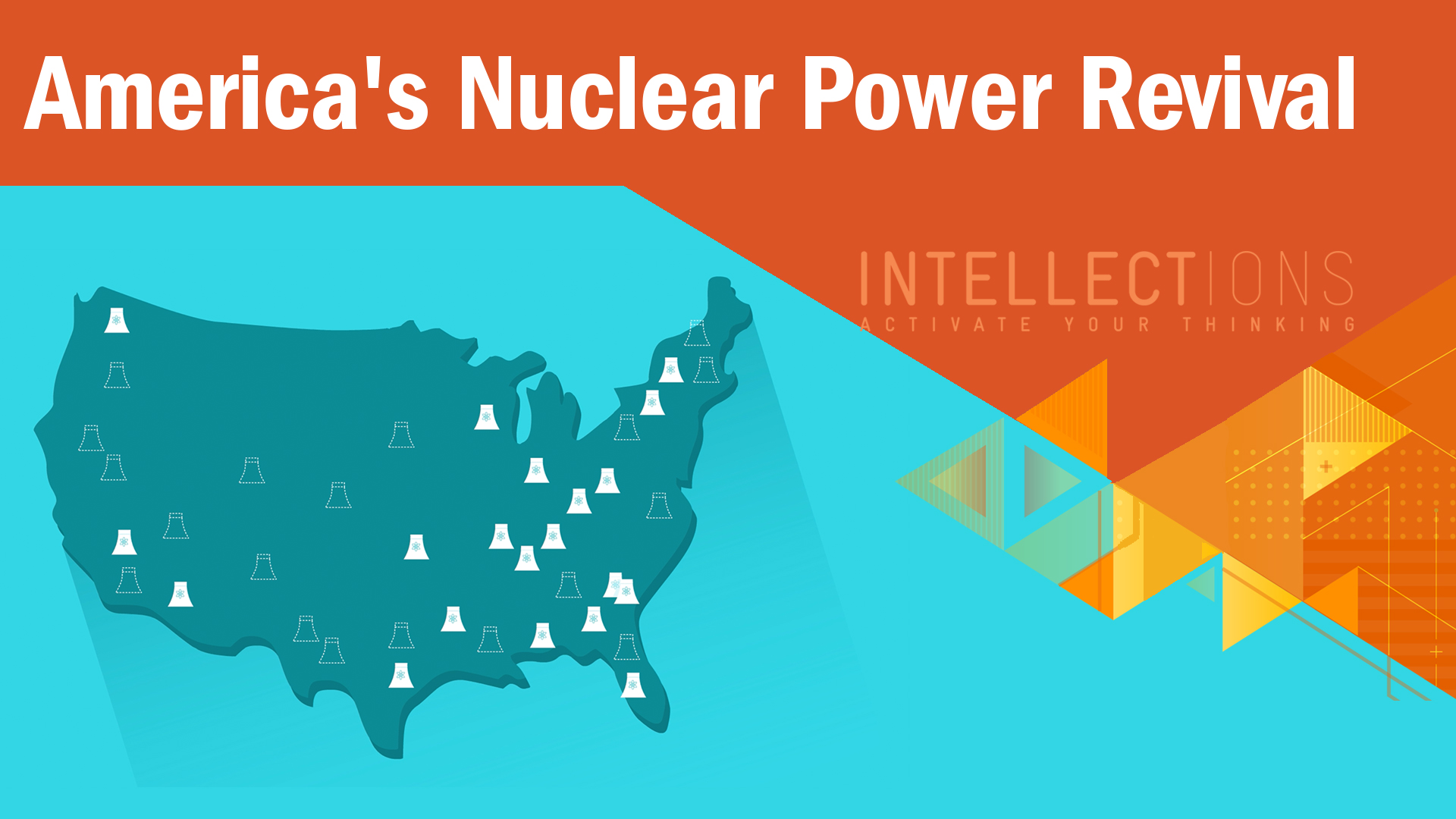
But there’s an alternative. Low Carbon Portfolio Standards allow utility companies to buy from all sources of low carbon electricity, adding nuclear and hydro-electric power to the list of permitted sources. And because nuclear and hydro-electric power are capable of generating electricity 24/7, they are more reliable sources for filling electricity gaps. Not only that, but carbon emissions will be reduced since coal and natural gas won't be as needed to make up the difference.
Another added benefit of this expanded list of available power sources is that by giving utilities more choices, they end up saving money… which inevitably lowers costs for the consumers.
A win for your pocket AND a win for the environment.
If we want a greener world, Low Carbon Portfolio Standards are the efficient and affordable way to get there, by doing what RPSs struggle to do: significantly lower carbon emissions.