Videos
The Counter Revolution: Victor Davis Hanson On The Fall And Rise Of Trump
How did Donald Trump go from political defeat and the aftermath of January 6 to a second term in the White House?
October 19, 2026
Published: January 9, 2020
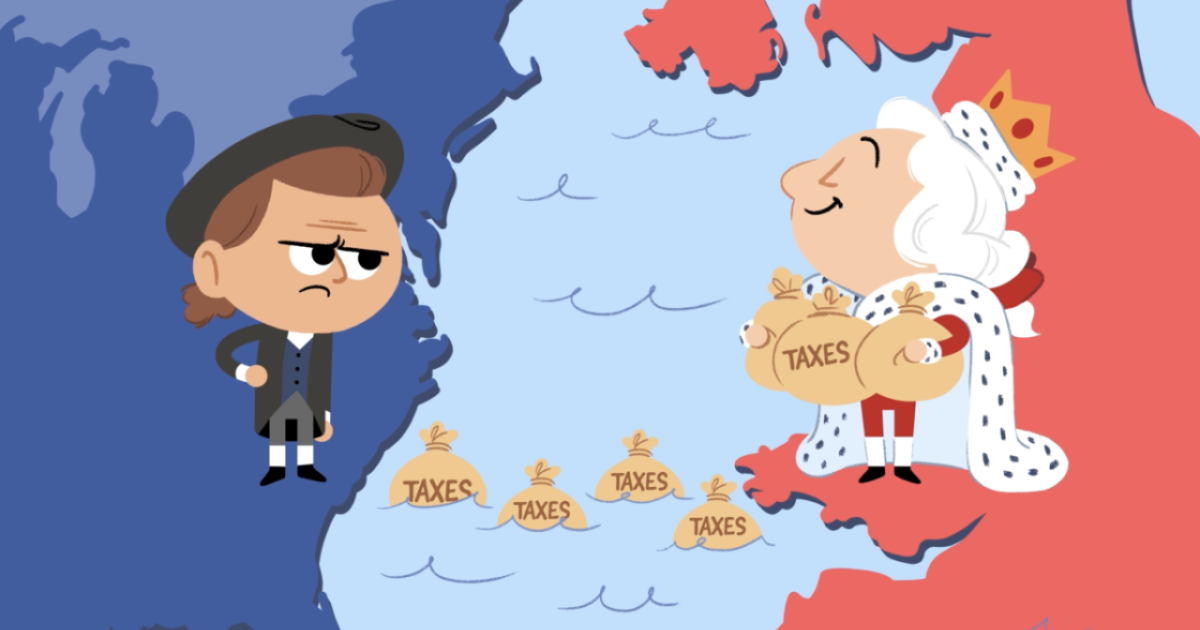
America’s founders understood that the persistent and historical threat to freedom is the concentration of power, especially in the hands of the government. They wrote America’s Constitution in a manner that preserves individual freedom by limiting the government’s power. But too many people in modern times have forgotten the risk involved in giving the government more power and control over their lives.
Discussion Questions:
Additional resources:
Videos
How did Donald Trump go from political defeat and the aftermath of January 6 to a second term in the White House?
October 19, 2026
Videos
Valerie Ramey discusses how Hall’s “New Keynesianism” school of thought impacts modern economic scholarship and its utilization in practical terms, as well as her working relationship with the future laureate, dating back to her graduate-school days, when she served as Hall’s research assistant on matters like the flat tax.
October 16, 2026
Videos
From politics and economics to journalism and culture, leading voices reflect on how Thomas Sowell’s ideas shaped their thinking and continue to inspire new generations.
October 15, 2026