
Podcasts
Can America Still Govern Itself? With Lanhee Chen
Hoover Institution fellow Lanhee Chen on why good policy so often fails politically.
October 20, 2026
Published October 14, 2020
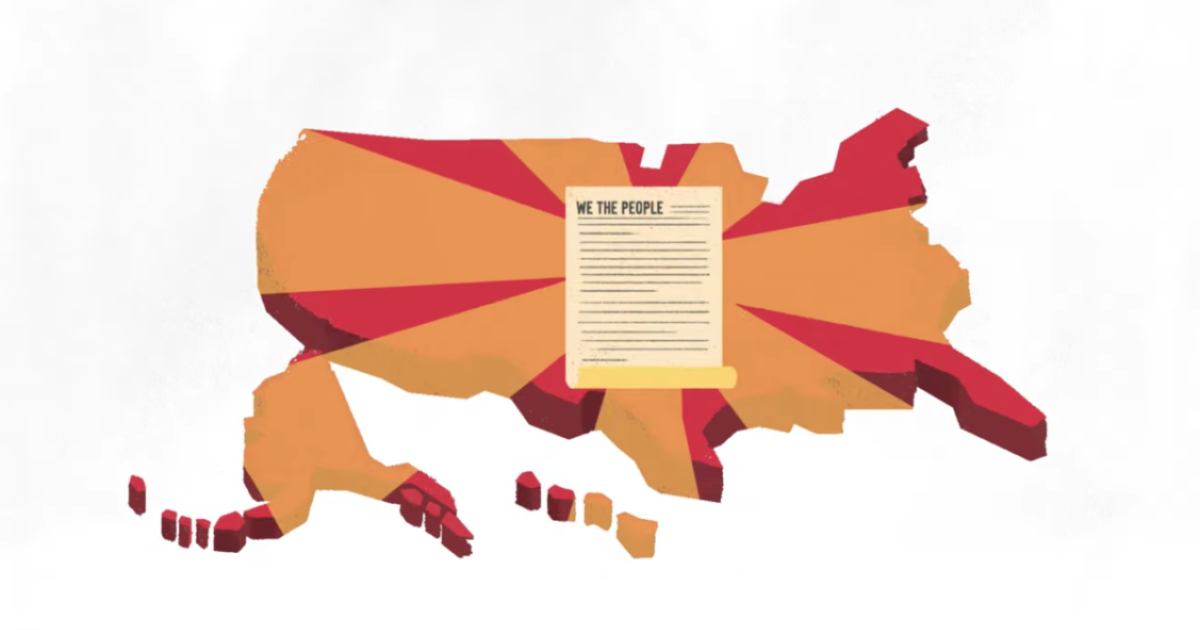
Though many believe that socialism would be good for America, restrictions in the Constitution make it difficult to enact socialist policy. The framers understood that centralizing power threatened individual liberty, so they designed the Constitution to prevent it from happening. Maintaining the balance between national and state governments ensures that our liberties will flourish and socialism will fail.
Discussion Questions:
Additional Resources:
Podcasts
Hoover Institution fellow Lanhee Chen on why good policy so often fails politically.
October 20, 2026
Videos
Mickey Levy on his early career working with Alice Rivlin at the Congressional Budget Office and with Arthur Burns at AEI, as well as being part of the Shadow Open Markets Committee from its early days in the 1970s.
October 16, 2026
Videos
How to live a life you won’t regret when it’s time to die.
October 19, 2026