
Published: January 3, 2018

There are many ways that cyber attacks threaten our national security. For instance, cyber warfare could affect our nation’s communication systems, intellectual property, or the military’s capability to react and defend the country. Understanding the nature of cyber attacks will help us prevent and defend against them.

Discussion Questions

  1. What are the emerging and future technologies that we will have to worry about the most from a cyber security perspective?
  2. What cyber threat concerns you the most?

Additional Resources

  1. Amy Zegart discusses “Cyberwar” on TEDxStanford, available here.
  2. For more research on cybersecurity, click here.


Cast

Amy Zegart

Amy Zegart

Threats to national security originally arose from conventional warfare.

Then, they expanded to include nuclear weapons.

In the past few years, cyber attacks have emerged as a new kind of challenge.

While fighter jets and nuclear missiles require the capabilities of nation-states to develop and deploy, just about anyone can create a cyber weapon on their computer.

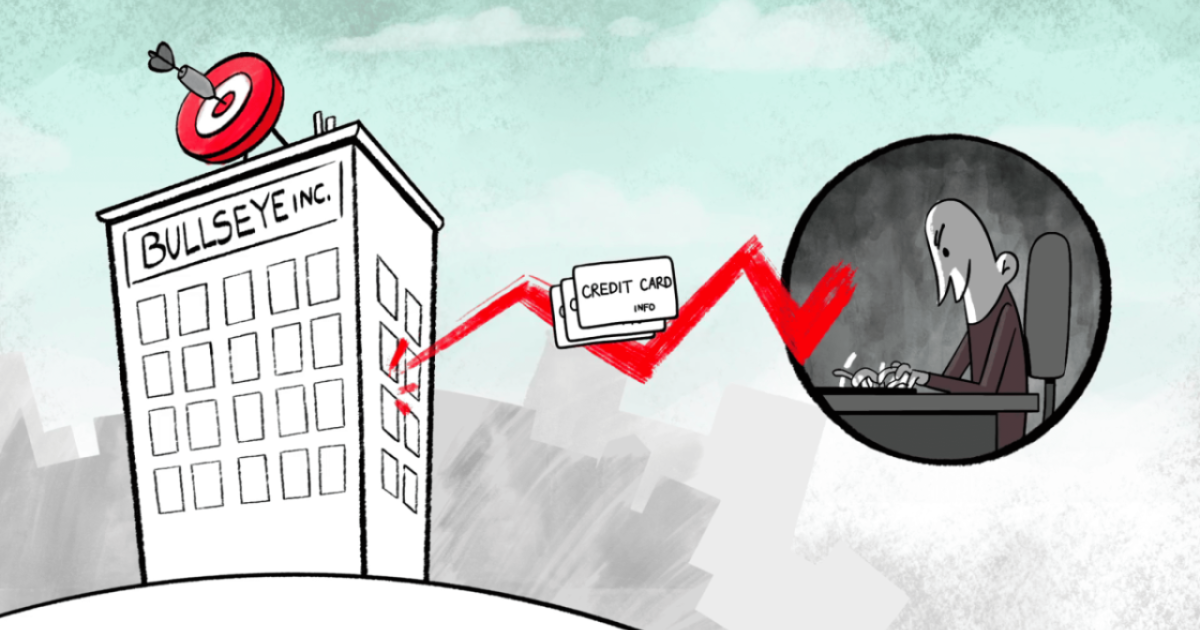
There are five kinds of cyber threats that could have serious national consequences. The first is the theft of intellectual property from American businesses that could deteriorate our economic competitiveness.

A second concern is a cyber attack that could massively disrupt everyday life. Shutting down power grids or the banking system would cause national emergencies that could take months or longer to repair.

Third, cyber attacks can inflame social unrest by spreading false information through social media and turning people against each other.

Fourth, spies can use cyber attacks to steal classified secrets about the weapons and intelligence operations that keep Americans safe.

Lastly, there are cyber attacks that could reduce or destroy our military’s capabilities. America relies on deterrence to prevent enemies from attacking our interests. Degrading that capability would significantly reduce the consequences for the perpetrators of bad actions.

Understanding the nature of cyber attacks will help us prevent and defend against them.

Related

Podcasts

Amidst “A World Of Generational Change”: 9/11’s Lessons And Legacy

The 9/11 attacks on the US were 25 years ago this week and, while there hasn’t been a second such shock, questions remain as to the Free World’s preparedness, whether a divided America can rediscover unity, and the strength of international alliances. Phillip Zelikow, the Hoover Institution’s Botha-Chan senior fellow and executive director of the 9/11 Commission, discusses lessons learned from the attack.

September 11, 2026 • 0 Min Listen

Articles

Twenty-Five Years After 9/11: A Call To Serve

For many Americans, 9/11 changed us in profound ways. The images of planes being flown into buildings, of desperate people jumping from the Twin Towers are seared into our memory. Few can understand the hatred that led nineteen hijackers to intentionally take thousands of lives.

September 8, 2026

Podcasts

25 Years After 9/11: Are We Safer?

Hoover Institution fellow Philip Zelikow explores whether America is truly safer today than on 9/11, how terrorist threats have evolved from centralized sanctuaries to online radicalization, and why conflicts in Gaza and Iran may not drive terrorism the way many assume.

September 2, 2026