Working Papers
A Network Approach to Geopolitics
Economics Working Paper 26127
October 16, 2026
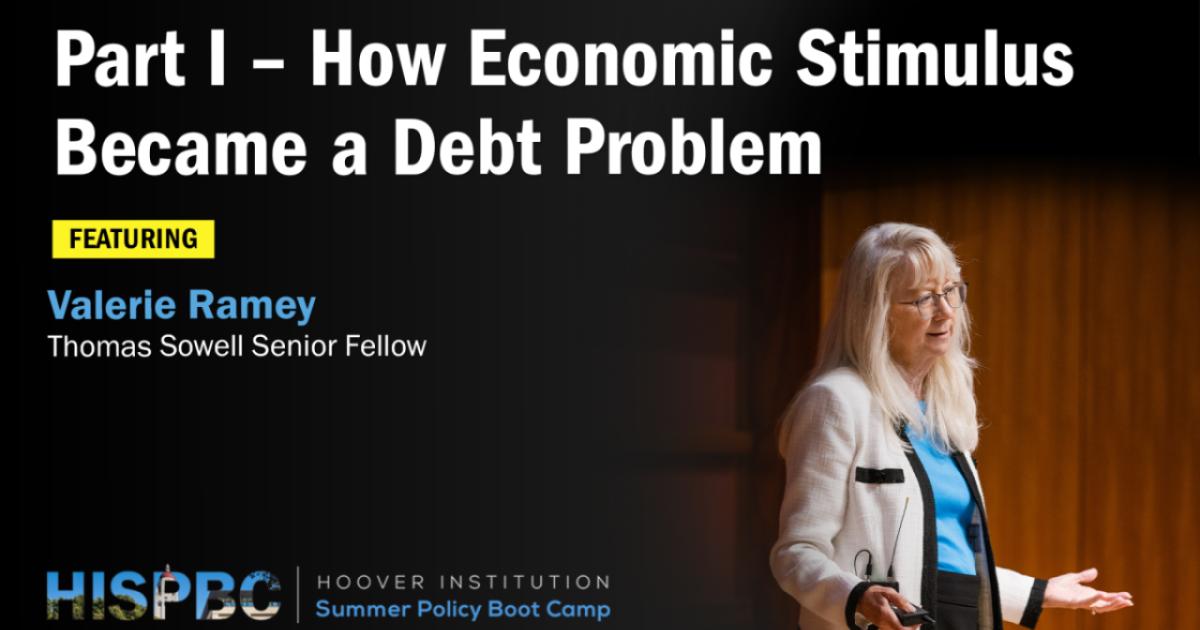
Keynesian fiscal stimulus has repeatedly returned during economic crises, from the Great Depression to the financial crisis and COVID. But stimulus paid for through government borrowing has also contributed to a lasting rise in public debt, raising the question of whether the economic payoff has justified the fiscal cost.
Keynesian fiscal stimulus has risen, fallen, and returned as economic crises and new evidence changed how policymakers thought about recession management. After the Great Depression, fiscal policy became a central stabilization tool; later, monetary policy took its place, only for fiscal stimulus to return during the 2008 financial crisis and COVID. Those interventions were largely financed through borrowing, contributing to a ratchet-up in debt-to-GDP ratios that was never fully reversed. With the fiscal cost still accumulating, the central question is whether the economic payoff justified the added debt.

Valerie Ramey
Working Papers
Economics Working Paper 26127
October 16, 2026
Videos
How did Donald Trump go from political defeat and the aftermath of January 6 to a second term in the White House?
October 19, 2026
Videos
Mickey Levy on his early career working with Alice Rivlin at the Congressional Budget Office and with Arthur Burns at AEI, as well as being part of the Shadow Open Markets Committee from its early days in the 1970s.
October 16, 2026