In understanding how teachers unions influence education policy, it's crucial to distinguish between the union’s efforts to advance its own preferred policies and their efforts to block education reform proposals that threaten their members’ interests.
This distinction is critical because a lot of times people will say, “wait a minute, how can you say teachers unions are so powerful when teachers earn only a modest salary? If they were so powerful, wouldn't they all be making a quarter million dollars?”
The answer to this puzzle is quite simple. When it comes to trying to get more of what they want (higher salaries, smaller class sizes, more generous retirement benefits), teachers unions aren't all-powerful because they're just like every other interest group out there trying to fight for the common pool of resources. There's only so much money to go around. And there’s a significant amount of political competition for resources in state and especially national politics.
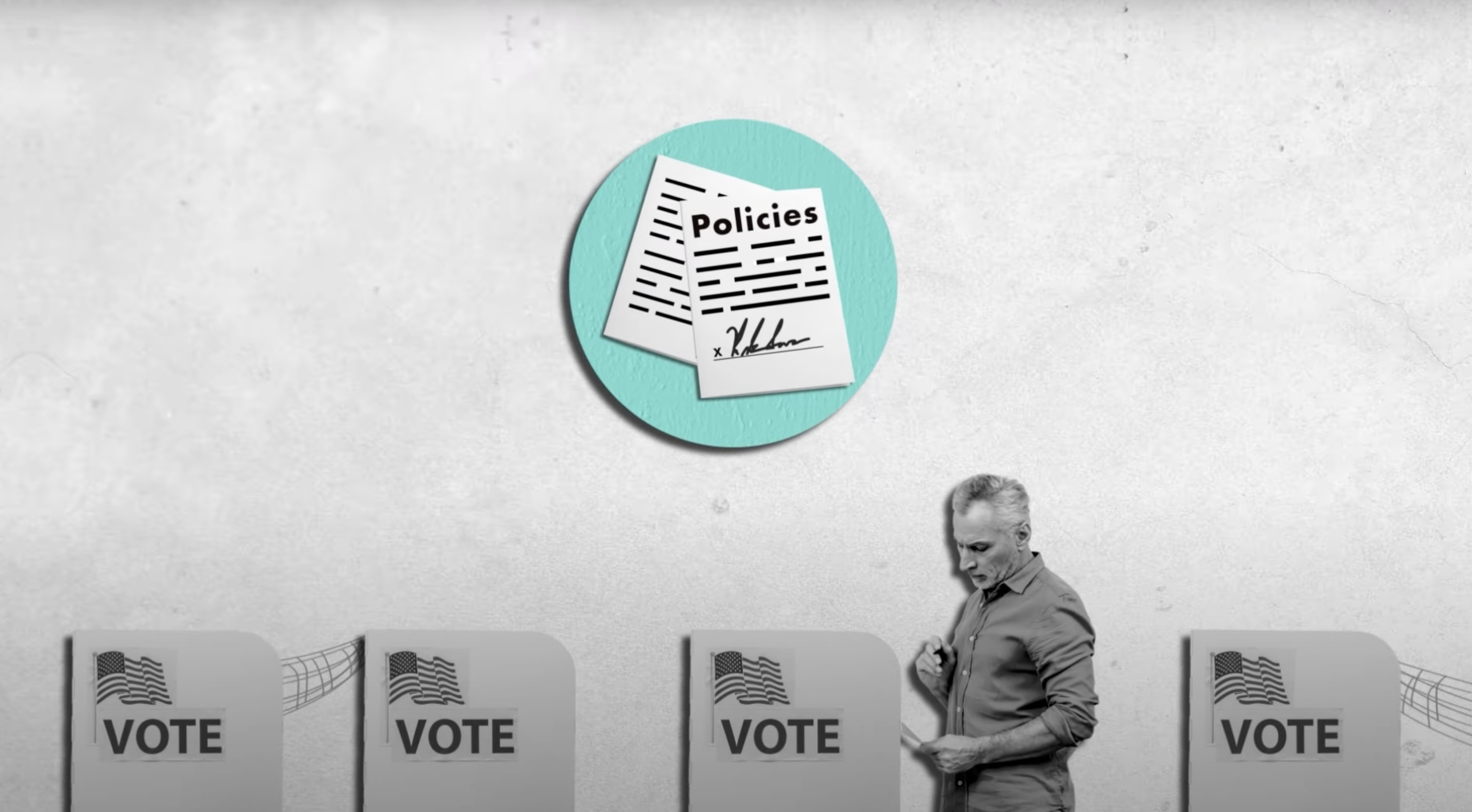
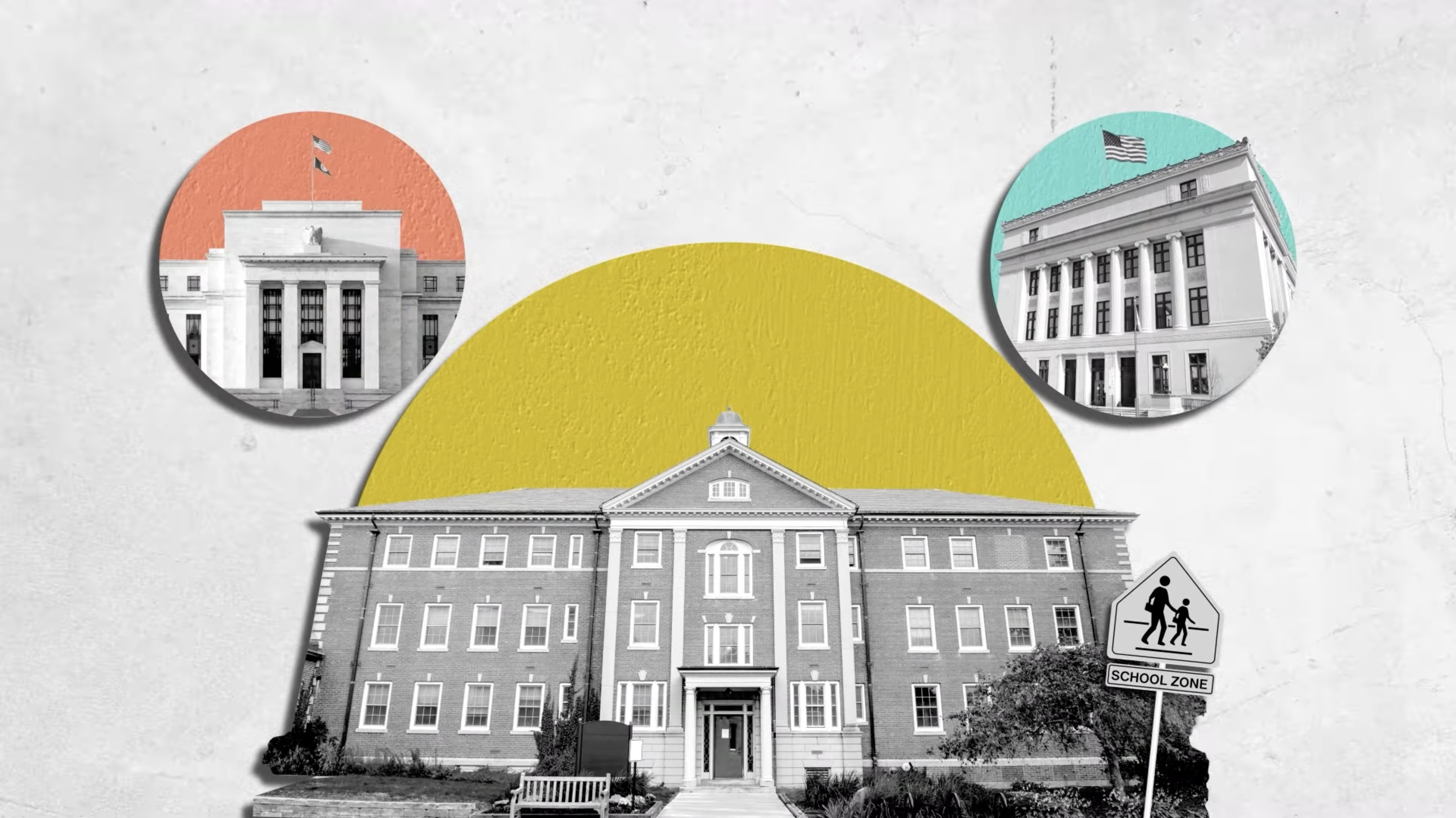
But where teachers unions are very powerful is in their ability to block reforms they oppose. This is especially true at the state and local levels of government. When policy issues are pushed down to these levels, where only a tiny fraction of Americans vote in school board elections, the unions' political power becomes especially pronounced.
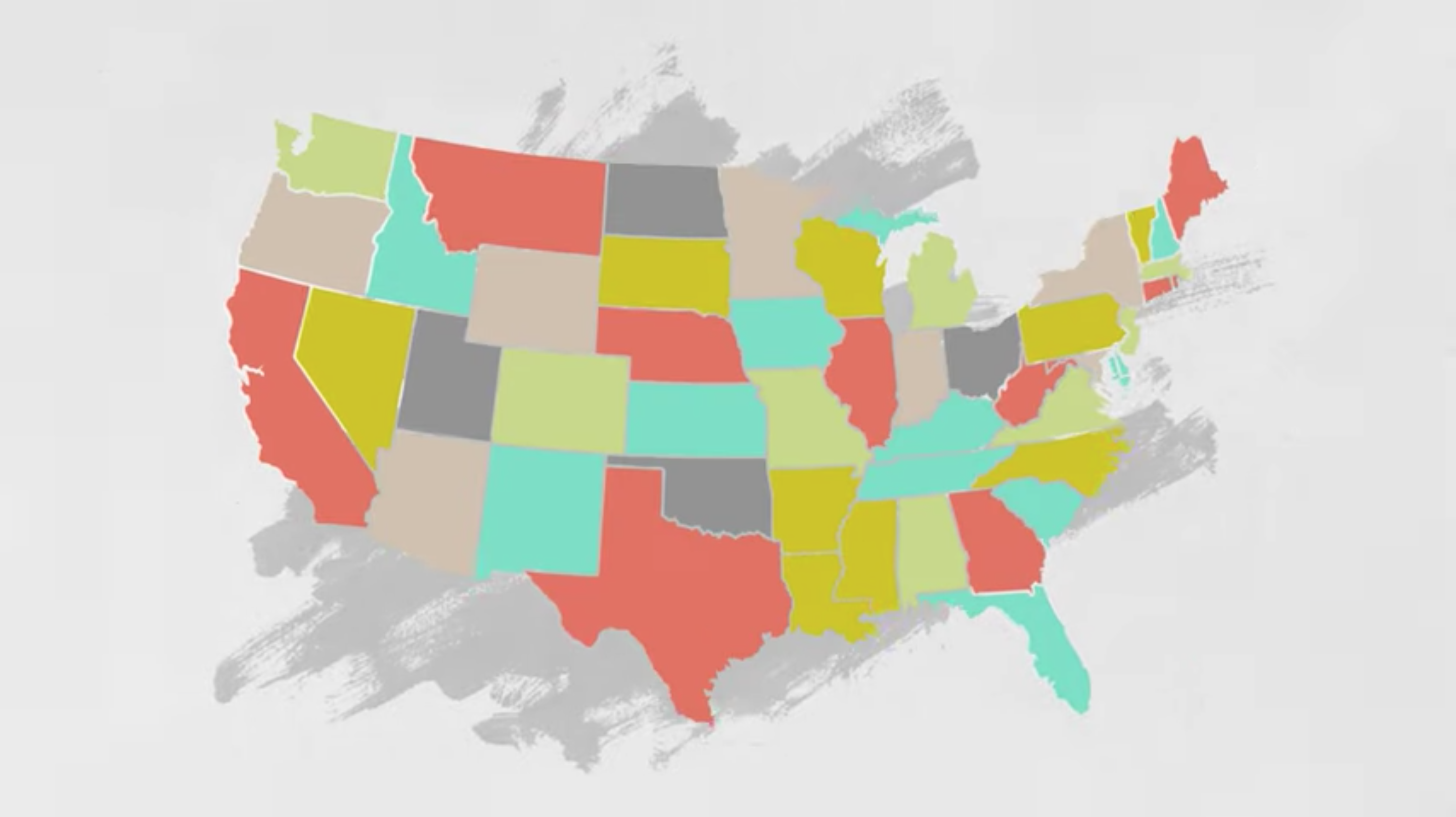
One example of this was the bipartisan effort to reform teacher evaluation during the 2010s. At that time, President Obama and Republicans agreed that reform was sorely needed. For too long, student learning rarely factored into a teacher’s evaluation. In just a few years, nearly 40 states responded to the bipartisan push for reform by enacting more rigorous teacher evaluation laws, laws that required student learning to play a primary role in a teacher’s performance evaluation.
What happened next?
When one looks beneath the surface, these reforms stalled out when local officials encountered strong resistance from teachers in the trenches. Even after states adopted tougher evaluation laws, for example, most school districts simply went through the motions— giving favorable evaluations to most teachers and removing few low performers from the classroom. Likewise, when states passed laws encouraging districts to replace union- favored salary schedules with performance- based pay systems, districts tended to demur in the face of educator resistance.
Political resistance from teachers unions came from several directions. New Mexico, the state that handed out the lowest evaluation scores, was immediately met with a union-backed lawsuit. Its evaluation system was enjoined by state courts and eventually undone by a new Democratic administration. Similar episodes played out in other states.
Remember, all the reforms that come out of Washington and state capitals have to be implemented at the school district level by administrators, superintendents, and school board members who often owe their positions to teachers unions.
And as I show in my book, when the unions endorse a candidate in a school election, they win seven out of ten contests, showing their significant political influence.