How Teachers Unions Became Political

Published May 23, 2023

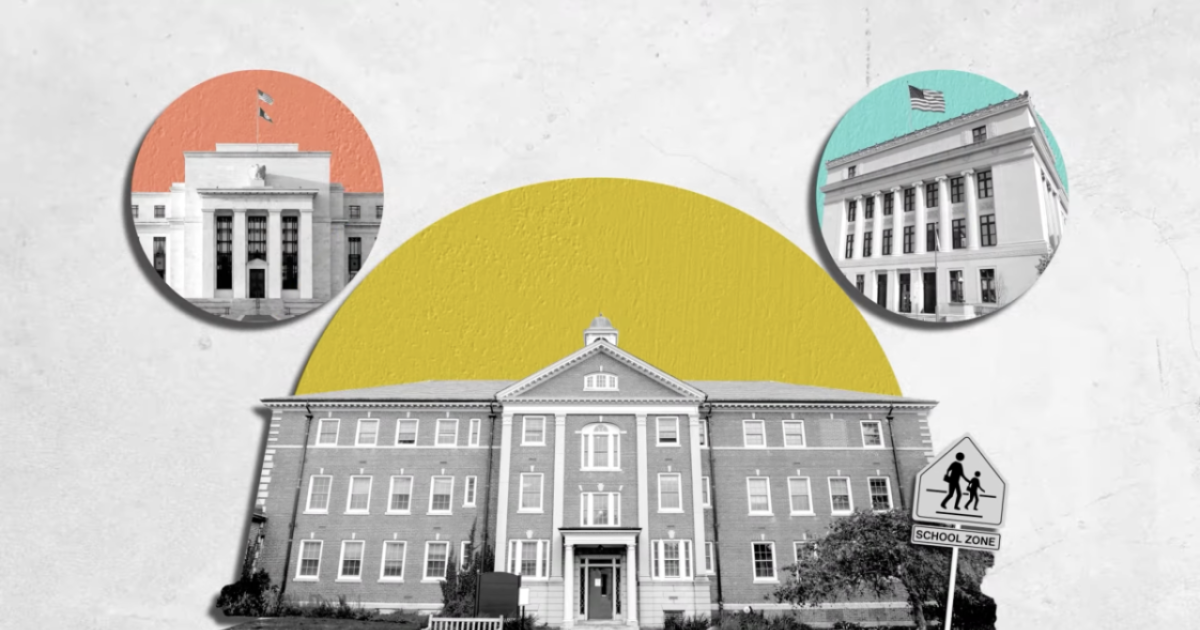
In the 1950s, teachers’ unions were not politically active. Most members believed that they should not engage in political activities beyond voting. However, in the 1960s and 1970s, state governments introduced public sector labor laws that empowered public employees like teachers to collectively bargain with state and local governments. This gave unions the ability to mobilize teachers politically, which has allowed them to shape education policy in the United States.

Additional Resources:
  • Watch “Hoover Book Club: How Policies Make Interest Groups: Governments, Unions, And American Education,” an episode of Hoover Book Club. Available here.
  • Watch “Vouchers and Education Reform,” with Terry Moe on PolicyEd. Available here.
  • Watch “How to Reverse Pandemic-Related Learning Losses,” with Eric Hanushek on PolicyEd. Available here.

Cast

Michael T. Hartney

Michael T. Hartney

When did teachers’ unions become so powerful in politics? 

They didn’t always have the power they have today. In fact, while researching my book I discovered surveys done in the 1950s by the National Education Association – the largest teachers union in the country. They revealed that most teachers back then believed that political activity, outside of voting in presidential elections, was not something they should engage in. 

This was surprising, considering that today, teachers and their unions are among the most politically active groups in school board elections, making endorsements and contributing significantly to political campaigns.

In the 1950s, 75% of NEA members believed it was inappropriate for teachers to even discuss with their colleagues which school board members to support. So, there's this huge puzzle here, how did that all come to change?

The answer I found, in short, was that government intervention was the key factor in this shift. In the 1960s and 1970s, state governments began adopting public sector labor laws that empowered public employees, including teachers, to collectively bargain with state and local governments.

This was a defining moment that allowed unions to mobilize teachers in politics and amass a large political war chest, which has allow them shape education policy in the United States.

Related

Articles

Which Is Worse: McGovern’s $1,000 Or Trump’s $5,000?

Many people have appropriately criticized President Trump’s promise to give $5,000 to every American adult if the voters elect enough Senators and House members to keep Republican control of each chamber.

September 18, 2026

Articles

Here’s How Germany Can Defend Its Democracy. Banning The AfD Isn’t The Answer

Far-right nationalist populist parties are making the running everywhere from Washington to Warsaw. So why be so alarmed about a little regional electoral victory for one such party, the Alternative für Deutschland (AfD), in one federal state, Saxony-Anhalt? “Because it’s Germany!” is the almost instinctive answer in many heads around the world.

September 19, 2026

Articles

How Society Must Confront The Surge Of Antisemitism

I chaired Britain’s All-Party-Parliamentary Commission Report on the October 7 massacres, which detailed each of the 1,182 deaths that took place that day. It became very clear to me while doing that, and also while visiting kibbutzim and the Nova Festival site in southern Israel, that Hamas had very deliberately fostered the sheer frenzy that was seen during its 48-hour-long killing spree on October 7 and 8, 2023.

September 20, 2026