Published: March 13, 2018

Climate change is a divisive topic, but the conversation rarely moves past the issue of whether or not the Earth is warming. A more prudent approach would be to focus on the economic benefits and costs of proposed environmental policies. That way we make sure to spend our resources in the most effective way.

Discussion Questions

  1. How effective would a carbon tax be to curb carbon emissions?
  2. Will taking action make our lives better or safer, or will it only make a difference to future generations?
  3. How has climate change affected the world so far?

Additional resources

  • Read "Climate Change Isn't the End of the World" by David R. Henderson and John Cochrane, available here.
  • Read the WSJ op-ed with David Henderson's additional commentary here.
  • Read John Cochrane's commentary on climate change here.

Climate change has become a divisive topic, especially over the last decade.

But the conversation rarely moves past the issue of whether or not the Earth is warming.

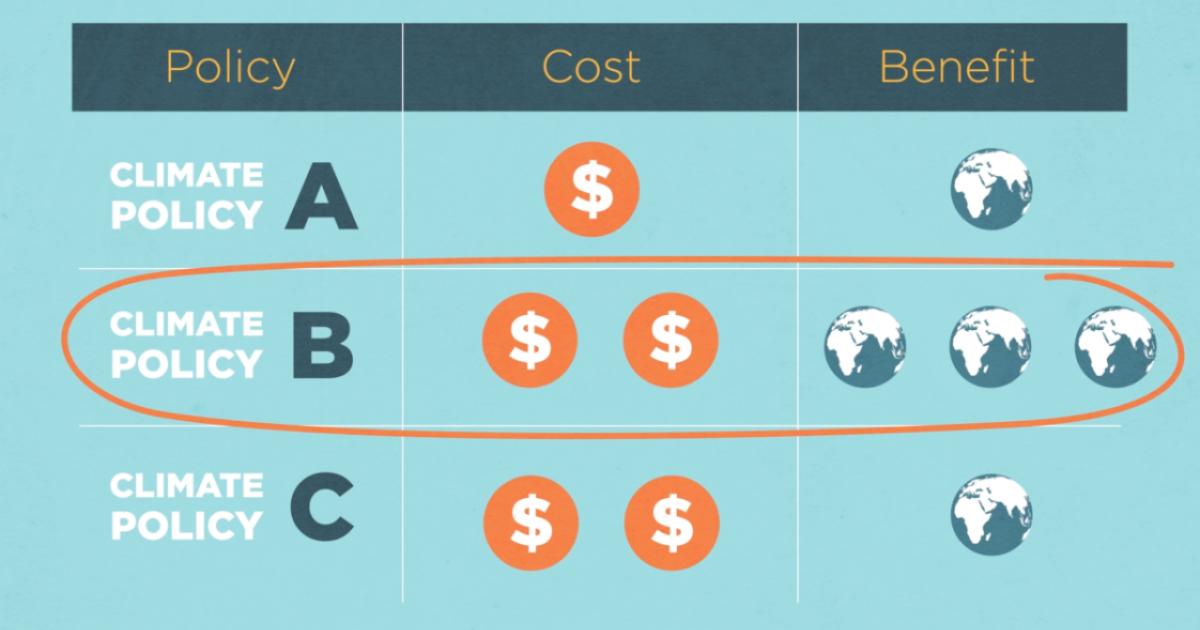
A more helpful discussion would focus on how much we believe it will cost to adapt to environmental changes, how likely these efforts are to succeed, and if there are any better uses for our time or money. In other words, we need to be clear about the cost of each remedy. In thinking about climate change this way, we have to be open to the possibility that the cost of a proposed policy action is greater than its benefit. And if that’s the case, we shouldn’t do it.

After all, it's possible that money could be better spent elsewhere, either on combating climate change in different ways, or even solving other problems, such as reducing diseases like malaria or vastly expanding access to clean drinking water.

Undoubtedly, there are effective policies that we should pursue, but only after we've carefully assessed whether they’re worth what they’ll cost – and importantly, what we’ll give up along the way.

Related

Podcasts

Dominic Parker: Why Transferable Tax Credits Could Change Conservation

Hoover Institution fellow Dominic Parker breaks down the economics of conservation easements, transferable tax credits, and what these tools could mean for the future of working lands.

September 4, 2026

Articles

The Rich World’s Climate Distraction

The World Bank and other institutions lose their focus on the best ways to help the poor.

September 1, 2026

Articles

Free To Choose One’s Heat Exposure?

This has been a hot summer. We know that the poor are exposed to more heat and have fewer protection strategies to avoid the heat. My Los Angeles has opened public cooling centers and has arranged for transport to help people get to such centers.

August 27, 2026