











Published: November 28, 2018

Entitlement programs fulfill the normal human desire to help those who cannot help themselves. But we must always remember that they also impose a penalty on work, because benefits have to be phased out as income rises. It is important to balance benefits granted and costs imposed.

This video’s audio is excerpted from John Cogan’s 2017 Hoover Institution Summer Policy Boot Camp lecture. 

The Hoover Institution’s Summer Policy Boot Camp an intensive, one-week residential immersion program in the essentials of today’s national and international United States policy for upperclassmen and recent graduates. To learn more, click here.

Additional Resources

  • Read John Cogan’s book The High Cost of Good Intentions: A History of U.S. Federal Entitlement Programsto learn more about why entitlements grow; available here.
  • Listen as John Cogan talks with EconTalk host Russ Roberts about Cogan's book, The High Cost of Good Intentions, available here.
  • Read John Cochrane’s blog on The High Cost of Good Intentions, available here.
  • Read John Cogan’s chapter, “Entitlements and the Budget,” in Blueprint for America, available here.
  • John Cogan discusses social programs onArea 45: Is Entitlement Reform Possible? Available here.

Cast

John F. Cogan

John F. Cogan

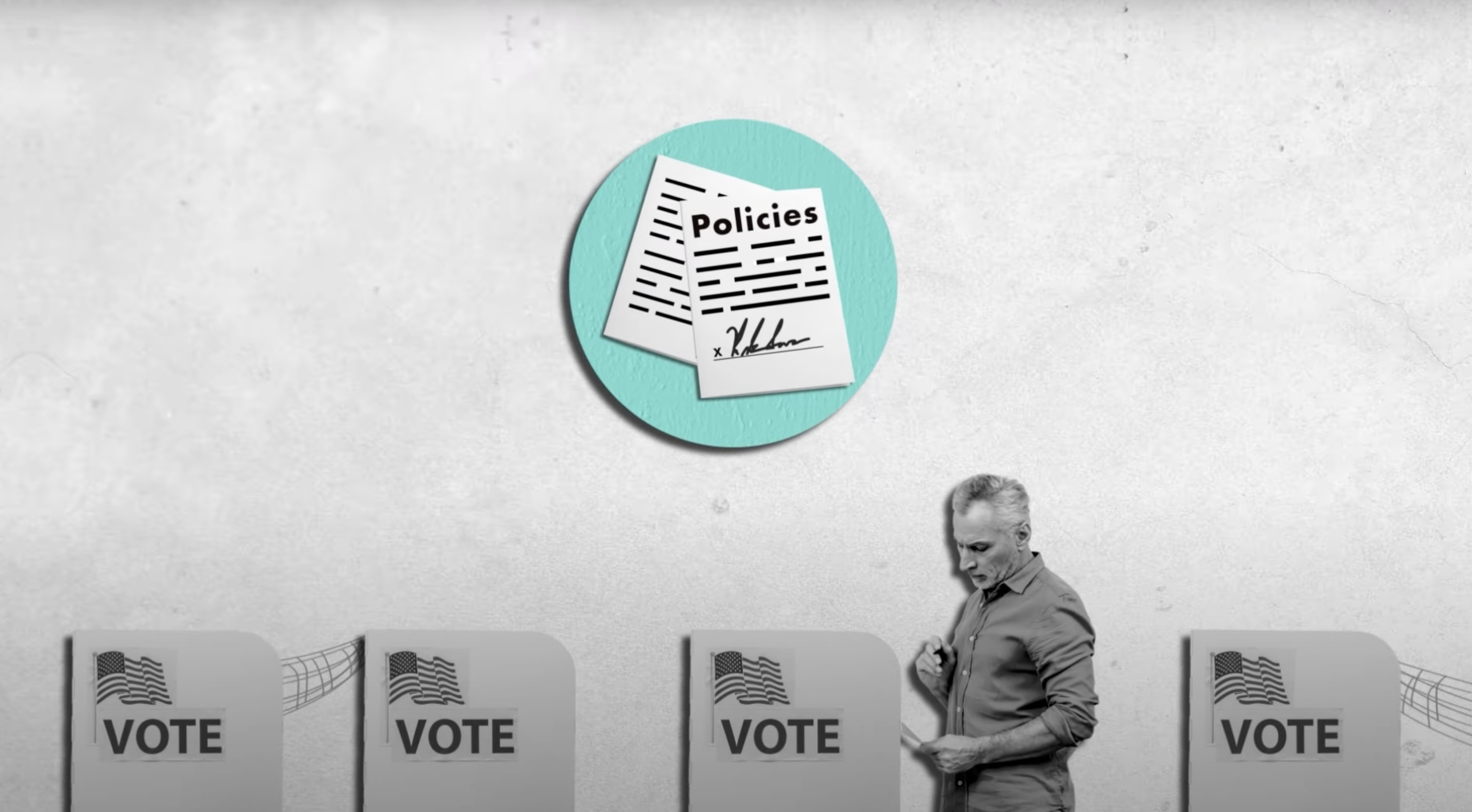
So, here’s a way to think about it for these entitlements. Let’s take Social Security...How are Social Security benefits financed? ...you’re paying for them now, right? 

There’s a payroll tax that’s levied on you, the worker, and your employer. You each pay 7.5, roughly, percent for Social Security and Medicare, right?
So, if you think about it, when an entitlement program is created, what it’s doing is taking money out of one person’s pocket and putting it into another person’s pocket... and…

The economic effect of that is a little bit ambiguous, but one thing we know is that when you impose a tax on work, you’re going to tend to get less work. When you give an individual a benefit for retiring, that individual is going to retire a little bit earlier.
So, from an economic standpoint, the way I’ve thought about these entitlement programs is they, through their financing and through their benefits, they have adverse incentives for the economy.

Doesn’t mean that they’re bad programs. There is a humanitarian purpose in these programs.. Preventing poverty in old age is a noble goal, right?

So, you balance the economic harm that’s done by these transfers against the value of that benefit to individuals and to society from fulfilling a humanitarian goal. That’s the way I’ve come to think about entitlements.

Related

VIDEO

Should We Regulate AI (Before It's Too Late)?

Artificial intelligence could become one of the most consequential drivers of productivity and economic growth in a generation. Yet concerns about job displacement, misinformation, and political disruption have prompted calls to regulate the technology before its effects are fully understood. History shows that major innovations disrupt existing industries while creating new forms of work and enterprise that policymakers rarely anticipate. Premature regulation risks entrenching established firms, limiting competition, and expanding government influence over information. The challenge is to address genuine harms while preserving the freedom and experimentation that allow innovation to advance.

Videos

Incentives Are For Losers Featuring Adam Mastroianni

Adam Mastroianni and Russ Roberts explore what it takes to do the right thing when the incentives point the other way.

September 14, 2026

VIDEO

Is Minimum Wage A Dead End?

Minimum wage policy is intended to increase earnings for low-wage workers and reduce poverty. Evidence from state-level increases, however, shows that businesses may respond by changing how many people they employ, how many hours they offer, whom they hire, and how much work they automate. Workers who remain employed may earn more per hour, but others may lose income or job opportunities, while many of those who benefit do not live in poor households. The Earned Income Tax Credit (EITC) directs support toward low-income working families without putting other workers’ jobs or hours at risk.