Articles
The Rich World’s Climate Distraction
The World Bank and other institutions lose their focus on the best ways to help the poor.
September 1, 2026
Published July 14, 2020
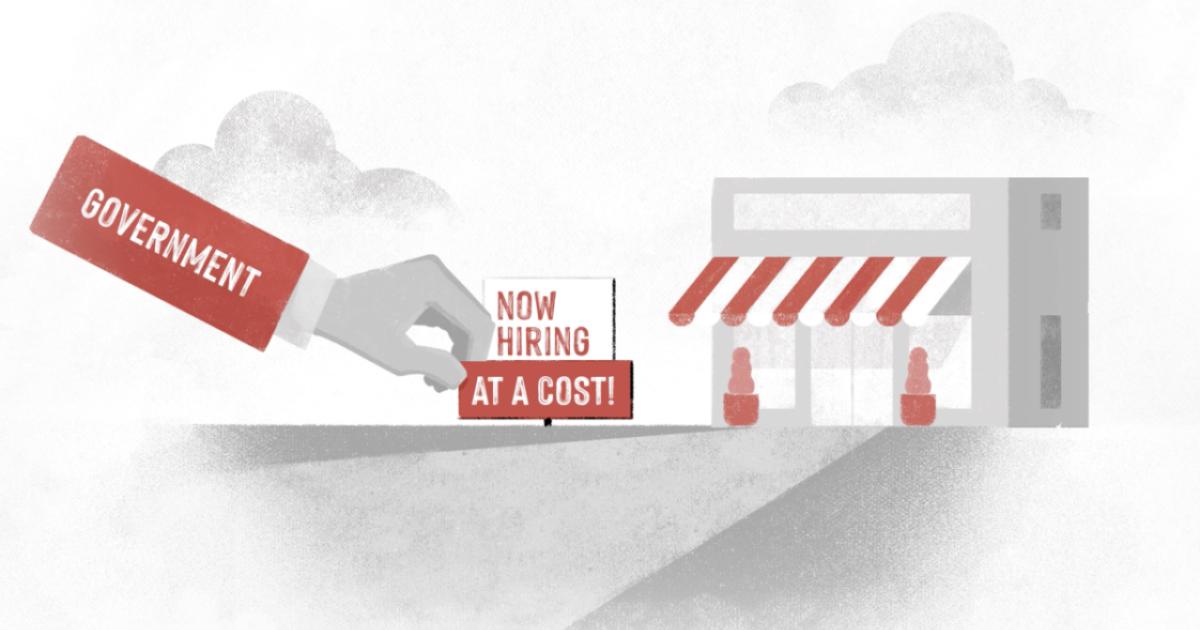
Many in the United States are proposing regulations that would make American labor markets more like Europe’s. But a comparison of European and US labor markets shows that the United States has delivered far better outcomes. Government regulations that increase the cost of working lead to higher unemployment and decreased prosperity.
Discussion Questions:
Additional Resources:

Lee Ohanian
Prosperity is closely connected to employment.
Economic systems, ranging from free-market capitalism to socialism, have starkly different employment outcomes.
Imagine an economy where 10 percent of workers are consistently unemployed, and jobless rates are even higher among young workers.
An economy where employment opportunities are so scarce that many people are permanently dependent on the government, with little hope for a brighter future
Today, such dismal economies are the norm across much of Europe.
While far from perfect, labor markets in the United States have delivered far better outcomes.
Unemployment rates are typically much lower than European economies.
The main reason for this difference is government policy.
The United States allows labor markets more freedom than Europe, where countries attempt to dictate labor rules based on a perceived level of fairness.
European labor policies have raised the cost of hiring new workers. Employers may avoid hiring even when the economy is strong because stringent labor regulations make it difficult to dismiss workers during economic downturns.
In contrast, labor rules in the United States give employers more flexibility in hiring and firing. Differences in tax rates also affect work.
Tax rates in Europe have increased enormously over the last half century. These higher taxes have reduced the average hours worked per adult by 31 percent.
In contrast, the US with its relatively low tax rates, has experienced little change in hours worked over the same time period.
Several economists have concluded that the large drop in the amount of work in Europe has also substantially reduced their consumer spending and business investment, which in turn has significantly reduced their prosperity.
Today, many in the U.S. are proposing new rules and taxes that would make US labor markets look more like Europe’s. They believe these changes will protect workers and raise wages. But laws that increase the cost of working—no matter how well-intentioned—
Articles
The World Bank and other institutions lose their focus on the best ways to help the poor.
September 1, 2026
Videos
Richmond Fed president and CEO Tom Barkin joins Steve to discuss Kevin Warsh’s keynote speech at the Jackson Hole Economic Policy Symposium.
September 4, 2026
Videos
House Financial Services Committee chair French Hill joins Jon Hartley to discuss housing supply in the United States, crypto rules, securities reform, and expanding access to capital.
September 1, 2026