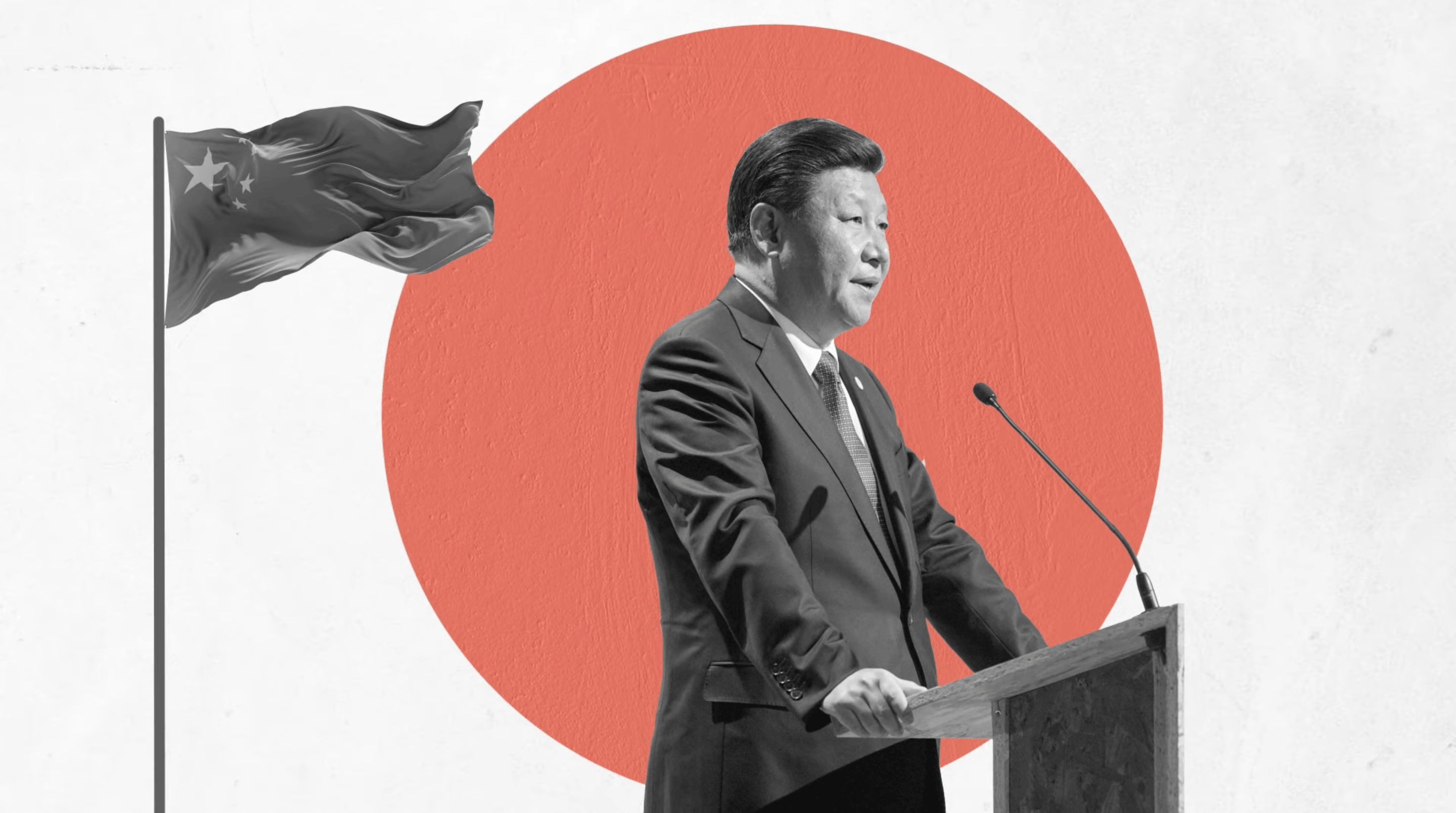
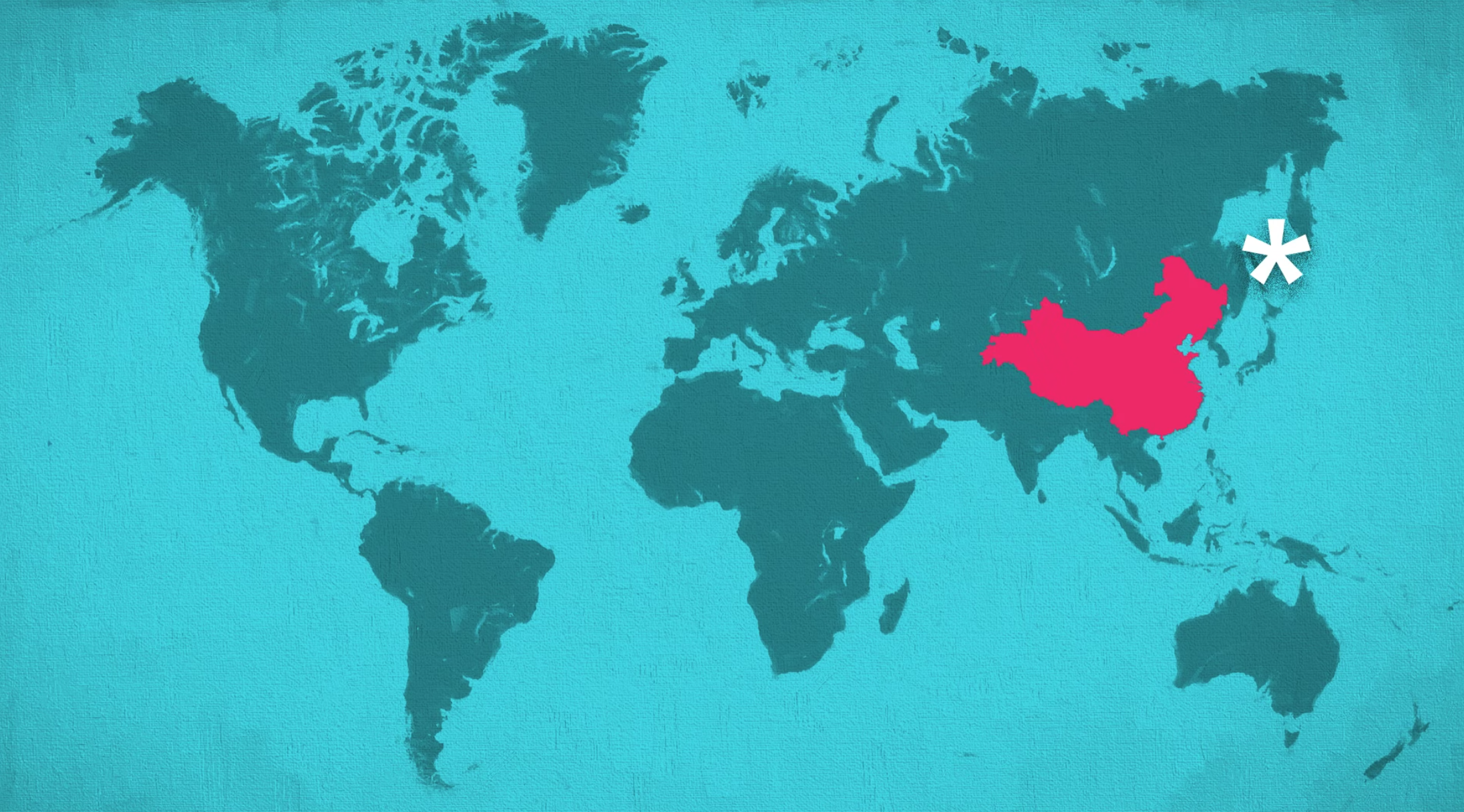
Since Deng Xiaoping launched China onto its path of spectacular economic growth in the late 1970s, China has long been referred to as a rising global power. But that description is now outdated, China has risen. Its military has expanded at the fastest pace of any country since World War II. Its economy is expected to surpass the US in size during this decade and in purchasing power parity dollars, China's economy surpassed our own a few years ago.
In the global forums that are rewriting the rules of the international order, China's recently been outmaneuvering the world's democracies. We are thus a very different kind of superpower competition than that with the Soviet Union, during the Cold War.
China doesn't have a nuclear arsenal on anything like the scale of the Soviet Union, but it has a level of economic dynamism and commercial technological innovation that the Soviet Union could only dream of.
Like the Soviet Union, China's a communist dictatorship and freedom and institutional constraints on the ruler have been retreating under Xi Jinping. China is not funding and supporting Marxist-Leninist revolutionary groups the way the Soviet Union did, or ideologically pushing Marxist-Leninist doctrine globally, but China has been pouring billions of dollars into a rapidly expanding global propaganda machinery now integrated into the voice of China and into infrastructure investments, trade and development agreements, training programs, journalism exchanges, media acquisitions, and other initiatives.
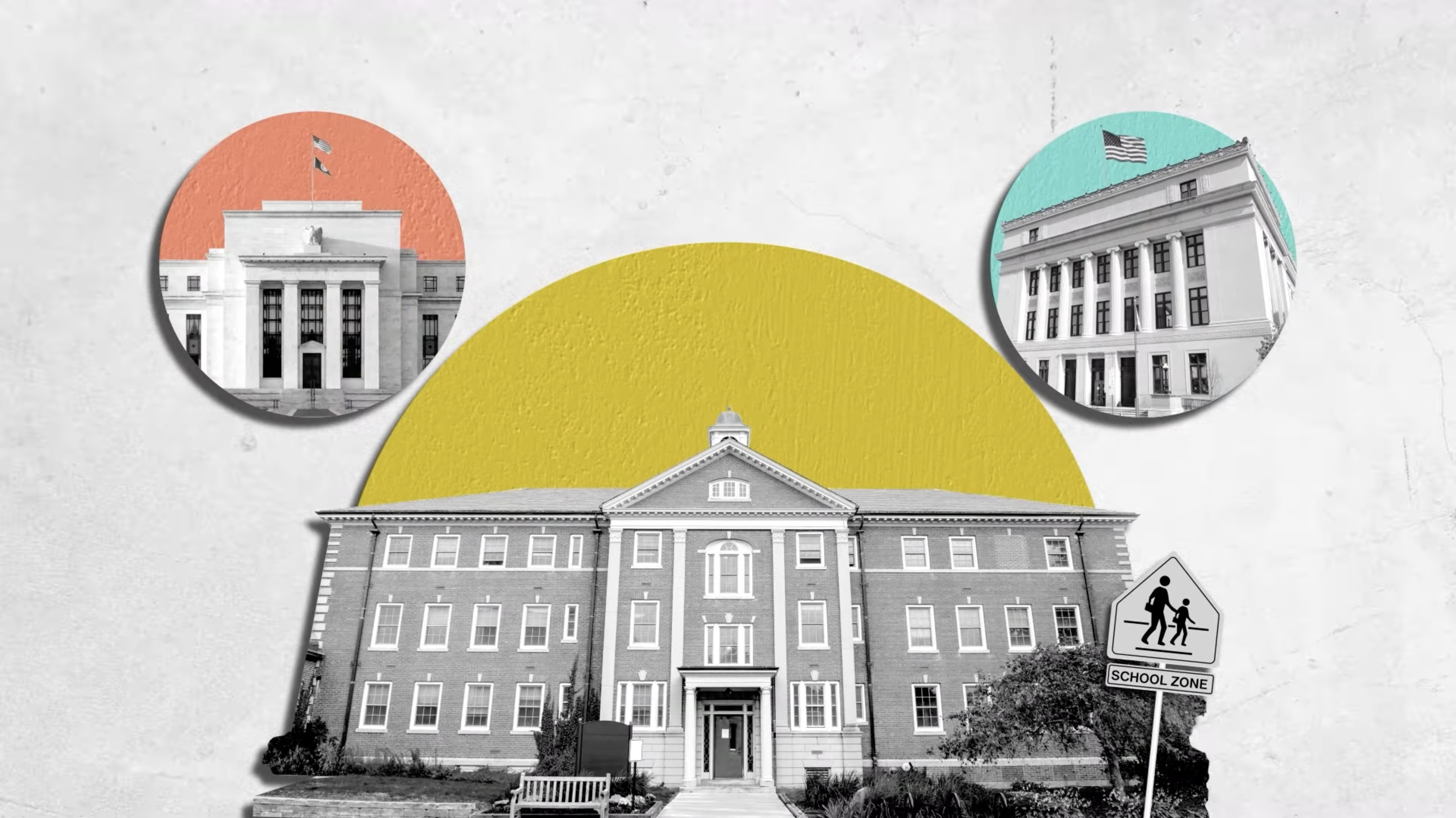
At the same time, China has launched a new generation of united front activities to penetrate and sway the institutions of open societies around the world. Universities, think tanks, media, enterprises, corporations, technology centers, diasporic communities, and even governmental bodies.
We call these efforts sharp power to distinguish them from transparent, soft power efforts to inspire and persuade people in positive ways. Instead sharp power employs methods that are covert, coercive, or corrupting to bend other societies to the viewpoint and agenda of another state.