Less Regulation, More Information, Better Results

Published September 26, 2023

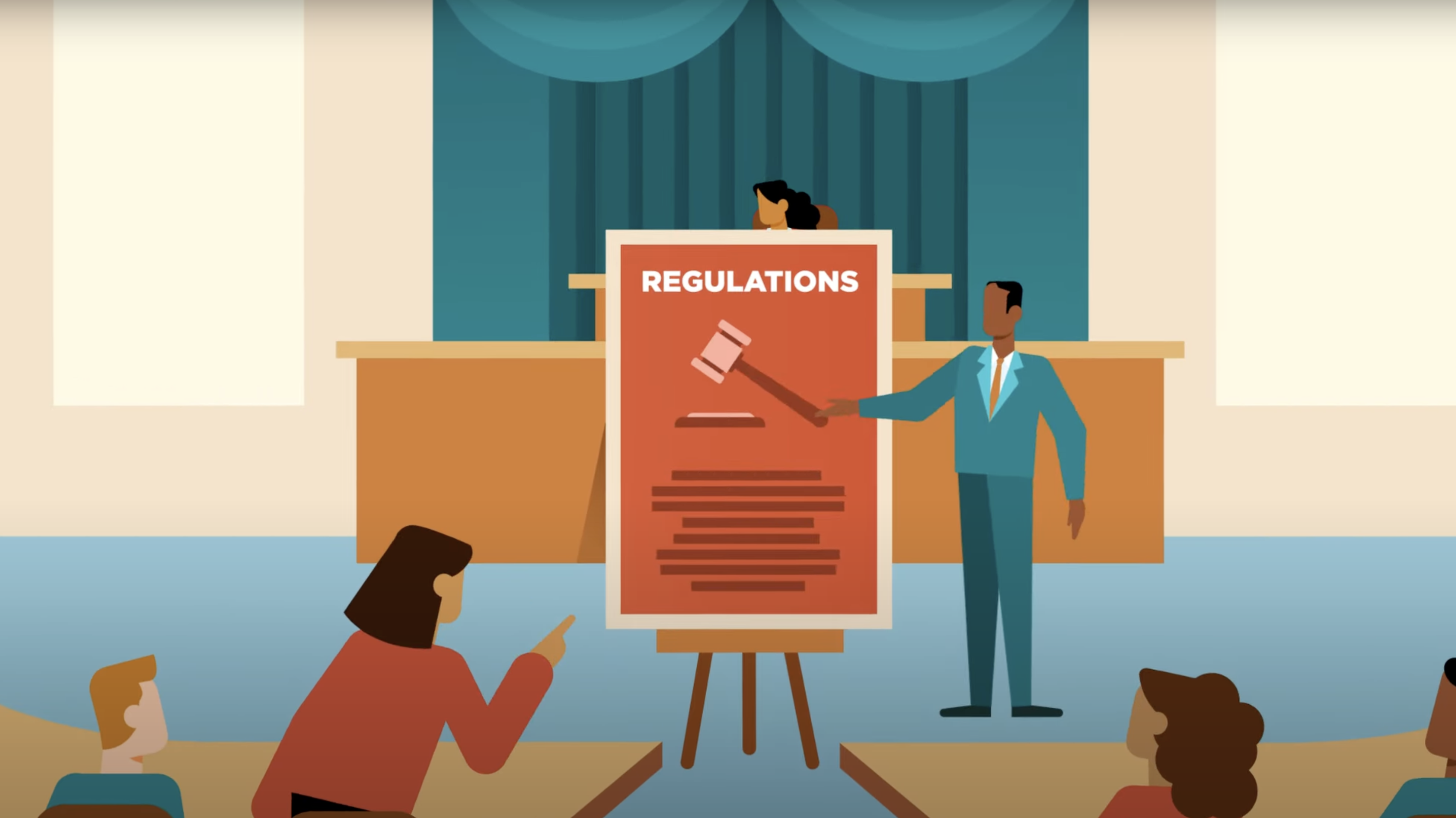
Regulations assume the government has all relevant information to solve a problem optimally, but bureaucrats can't make the best choices for individuals because they lack personal knowledge and constraints. Providing data so people can decide themselves utilizes more information than expert bureaucrats have access to. Though not perfect, as government could mislead, providing information is generally a better non-coercive solution than regulation.

Cast

David R. Henderson

David R. Henderson

When there is a problem in society, people tend to expect the government to regulate the problem away, regardless of how harmful or costly the regulations may be. But what if, in some situations, the government chose to provide information instead of regulating. Regulations implicitly assume that the government has all the relevant information about the problem and can regulate toward an optimal solution.

However, bureaucrats can't make optimal decisions for individuals because they don't know the choices, knowledge, or constraints that each individual faces. For example, a patient suffering from a fatal disease will be much more willing to take experimental or unproven drugs. The possible side effects down the road may be worth it to him or her if the alternative is more grim.

Only the person at risk can evaluate whether risking a dangerous drug is better than suffering from a deadly disease. Bureaucrats and politicians, on the other hand, aren't suffering from the disease themselves, and approving a drug that turned out to be dangerous could put their careers in jeopardy. Providing data and allowing individuals to decide the right course of action means that more information is used than a centralized board of expert bureaucrats has access to.

Related

Essays

Critical Conditions: An Operating Framework for Allied Economic Statecraft (Japanese)

米国とその同盟国は、重要な原材料、製品、およ び技術が、中国との戦略的競争の核心にあるとい う点で概ね一致している。しかし、経済的な重要度 (クリティカリティ)を定義し、どの資源、技術、製品 が他よりも重要であるかを評価するための、強固で 共通の枠組みを有していない。重要度をめぐる議 論は、抽象的なリスクに終始することが多い。政策 立案者たちは、どの依存関係が武器化される可能 性が最も高いか、世界経済や第三国が武器化に どう適応するか、そして重要な依存関係を事前に 「是正」するためにどれほどのコストがかかるか、と いった点を十分に検討することなく、性急に行動 に移そうとしている。

September 16, 2026

Articles

Government Waste, Fraud, and Abuse

Waste, fraud, and abuse of public funds are among the oldest and most persistent issues in American history.

September 16, 2026

Videos

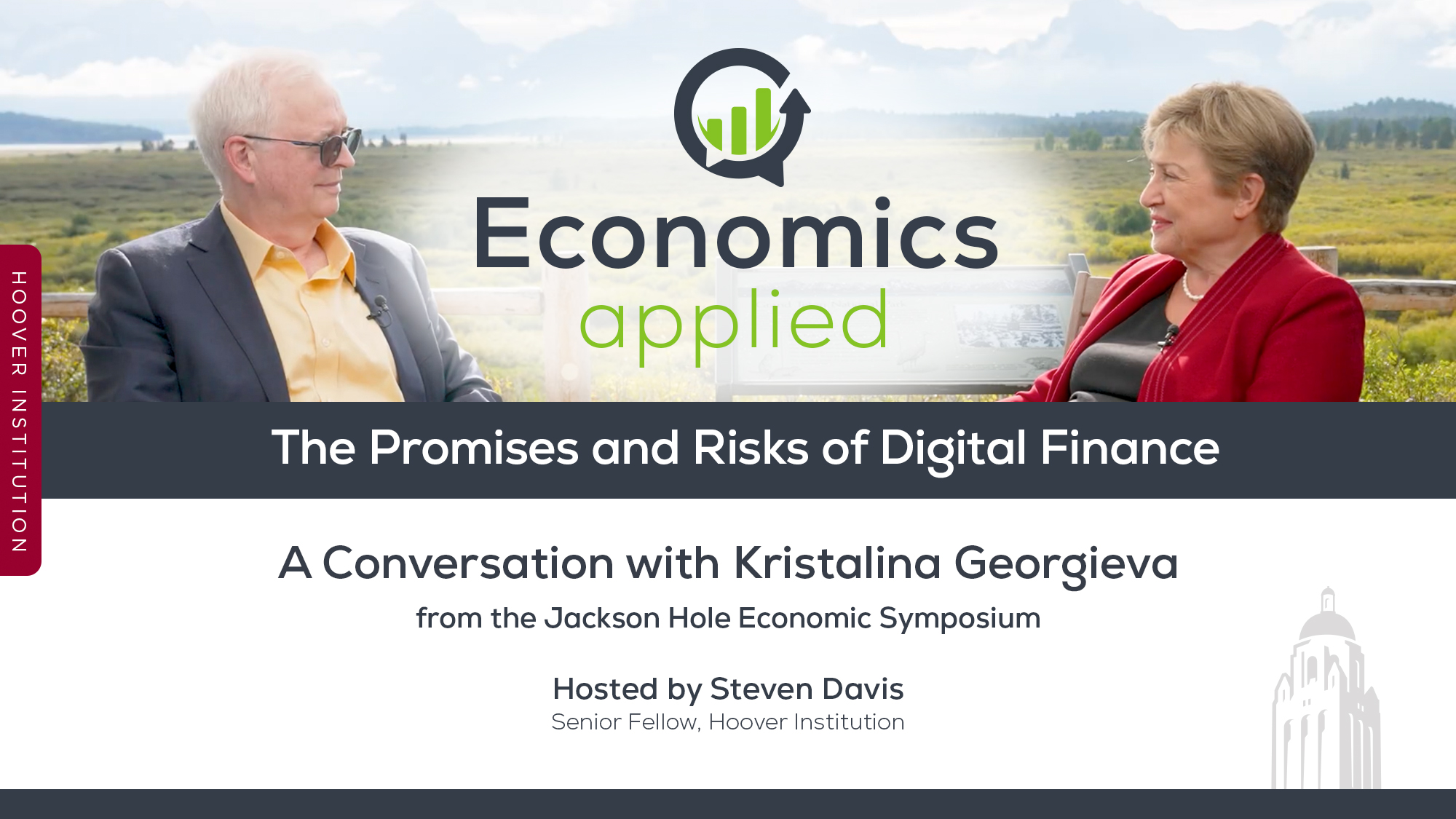
The Promises And Risks Of Digital Finance

How can we reap the benefits of financial innovation while ensuring a sound, trustworthy financial system? Steven Davis asks IMF head Kristalina Georgieva at Jackson Hole.

September 16, 2026