









Articles
Job Loss Fears in the First Years of Generative Artificial Intelligence
Economics Working Paper 26125
August 31, 2026
Published November 19, 2021
Truly free enterprise gives anyone the freedom to start a business, small or large. But government restrictions place limits on who can establish businesses. This has had negative effects on the emergence of new small enterprises in America.
Discussion Questions:
Additional Resources:
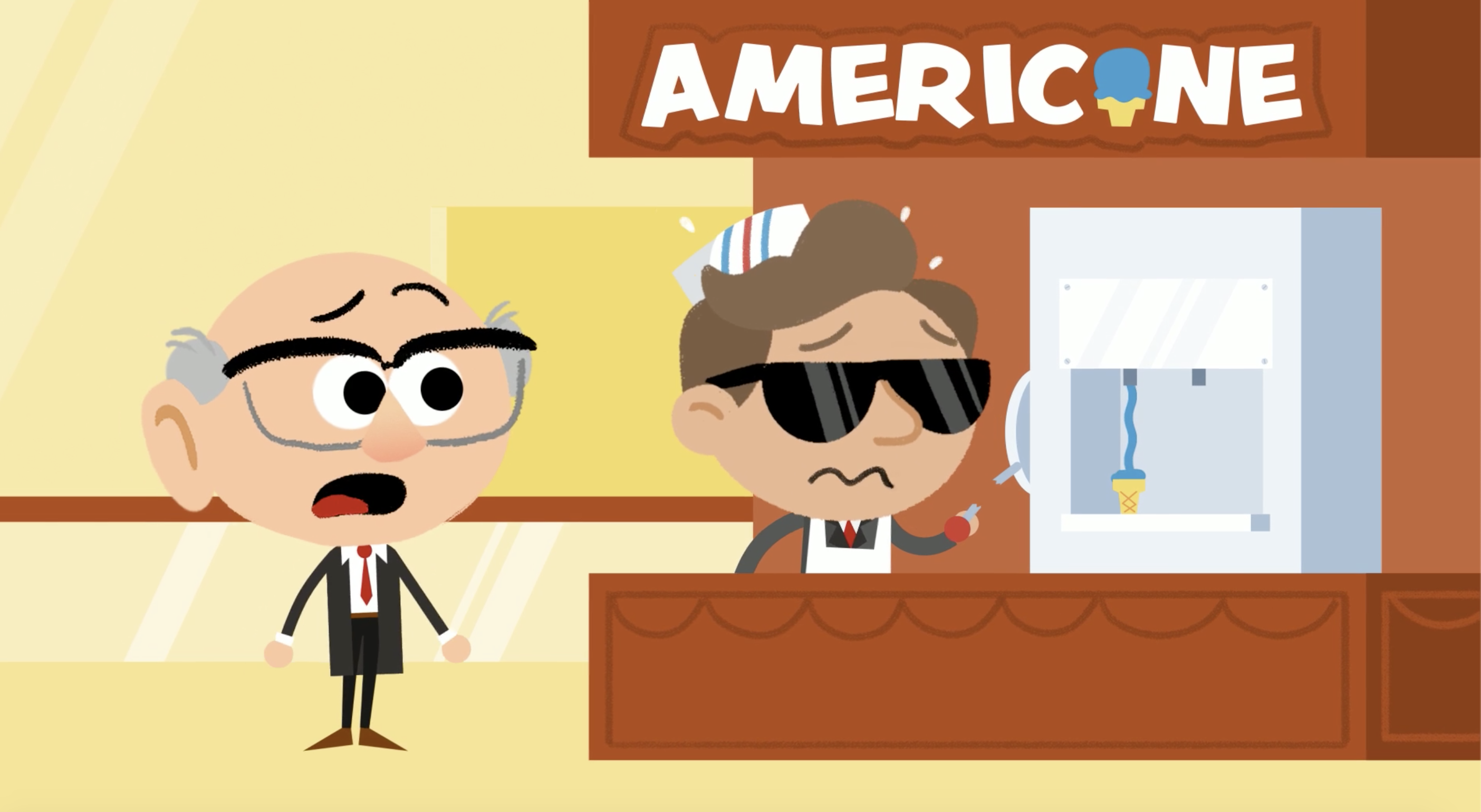
Free enterprise means that anybody shall be free to set up an enterprise, to start small and grow big.
And yet, in that sense, you are not free in this country to set up a bank, unless you can get certificate of convenience and necessity from a governmental official.
You are not free to become a lawyer or a physician or a plumber or a mortician, or a host of other occupations, unless you can get a license from a state body certifying that you may offer your services for sale.
You are not free to go to business of offering electricity or telephone service without getting a permit and permission
You are not free to raise money at the capital market, unless you fill out the 400 or more pages of forms that SEC will demand of you at a cost which has had as one of its major affects a strong handicap to the emergence of new small enterprises in this country.
Articles
Economics Working Paper 26125
August 31, 2026
Articles
Economics Working Paper 26120
January 10, 2026
Articles
Economics Working Paper 26121
April 19, 2026