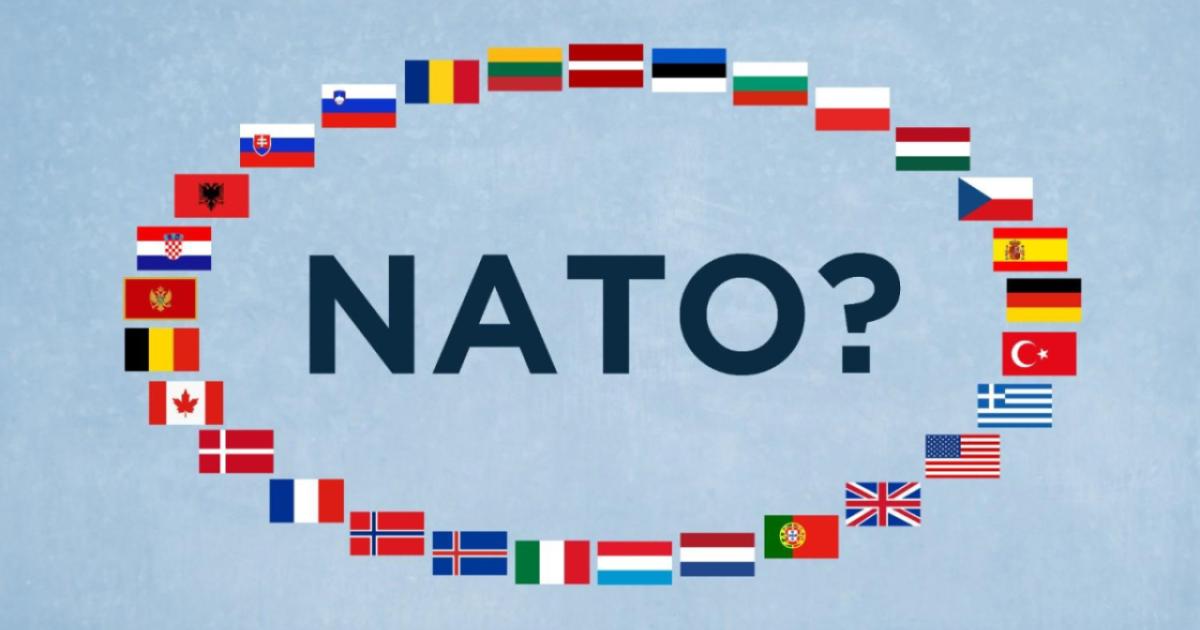

NATO For the 21st Century: Ensuring Liberal Democracy In Europe

Published: October 30, 2017

NATO was originally founded after World War II to ensure that liberal democracy survived in Europe. While the fall of the Soviet Union may have led many to question whether NATO is still necessary, its mission remains vital and relevant. NATO should resist the temptation to expand its geographic focus.

Discussion Questions

  1. What are some of NATO’s recent achievements?
  2. Can NATO reform itself to refocus its mission back toward Europe?
  3. What are the downsides to NATO engaging its forces outside of Europe?

Cast

Victor Davis Hanson

Victor Davis Hanson

Related

Articles

Strategika Issue 108: Targeting Civilian Infrastructure

Strategika Issue 108 is now available online. Strategika is an online journal that analyzes ongoing issues of national security in light of conflicts of the past—the efforts of the Military History Working Group of historians, analysts, and military personnel focusing on military history and contemporary conflict.

November 10, 2026

Articles

Two Kinds Of War: Ukraine, Gaza, And The Strategic Watershed

The 2025 National Security Strategy has ignited debates about several distinctive assertions, especially the choice of giving priority to the Western Hemisphere, thereby correcting the insufficient attention Washington has long paid to Latin America. In addition, the document may indicate a softening of the perception of China, and it repeats the appeal to European allies to do more for their own defense. Of particular note, furthermore, is the identification of culture as a dimension of security.

October 23, 2026

Articles

Trump’s Capitulation To Putin Is Undermining US National Security

The president’s admiration for the Russian dictator erodes American interests and values.

October 23, 2026