









Published December 9, 2021

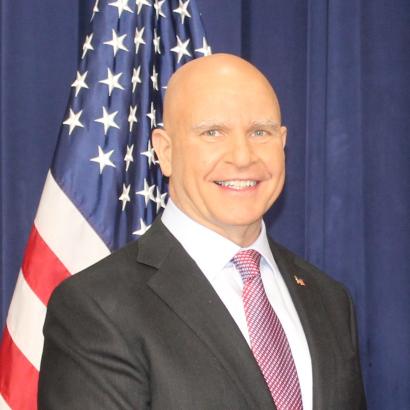
H. R. McMaster explains strategic empathy and strategic narcissism and connects these principles to the involvement of the United States in Afghanistan. By drawing on lessons learned from the Vietnam War, McMaster gives further insight into current national security concerns. Ultimately, McMaster shows how strategic competence is essential to successfully overcoming our adversaries and achieving our goals.

Discussion Questions:

  1. How does the situation in Afghanistan compare to America’s involvement in other wars?
  2. How has the United States perceived its adversaries’ interests, goals, intentions, and capabilities?

Additional Resources:

  • Watch H. R. McMaster’s video series Battlegrounds: International Perspectives on Crucial Challenges to Security and Prosperity. Available here.
  • Watch H. R. McMaster’s video series The Fight to Defend the Free World. Available here.
  • Watch “Deterrence by Denial: The Taiwanese Example,” with H. R. McMaster. Available here.

Cast

H.R. McMaster

H.R. McMaster

Related

Articles

Twenty-Five Years After 9/11: A Call To Serve

For many Americans, 9/11 changed us in profound ways. The images of planes being flown into buildings, of desperate people jumping from the Twin Towers are seared into our memory. Few can understand the hatred that led nineteen hijackers to intentionally take thousands of lives.

September 8, 2026

Podcasts

25 Years After 9/11: Are We Safer?

Hoover Institution fellow Philip Zelikow explores whether America is truly safer today than on 9/11, how terrorist threats have evolved from centralized sanctuaries to online radicalization, and why conflicts in Gaza and Iran may not drive terrorism the way many assume.

September 2, 2026

Articles

How Targeted Misinformation Stalks Its Victims

False allegations pursue democracy activists, entangling them financially and personally.

September 4, 2026