
Articles
Most Recycling Is A Waste
[Subscription Required] Metals and some plastics are worth separating, but the rest of it is costly and can hurt the environment.
October 7, 2026
Published October 24, 2024
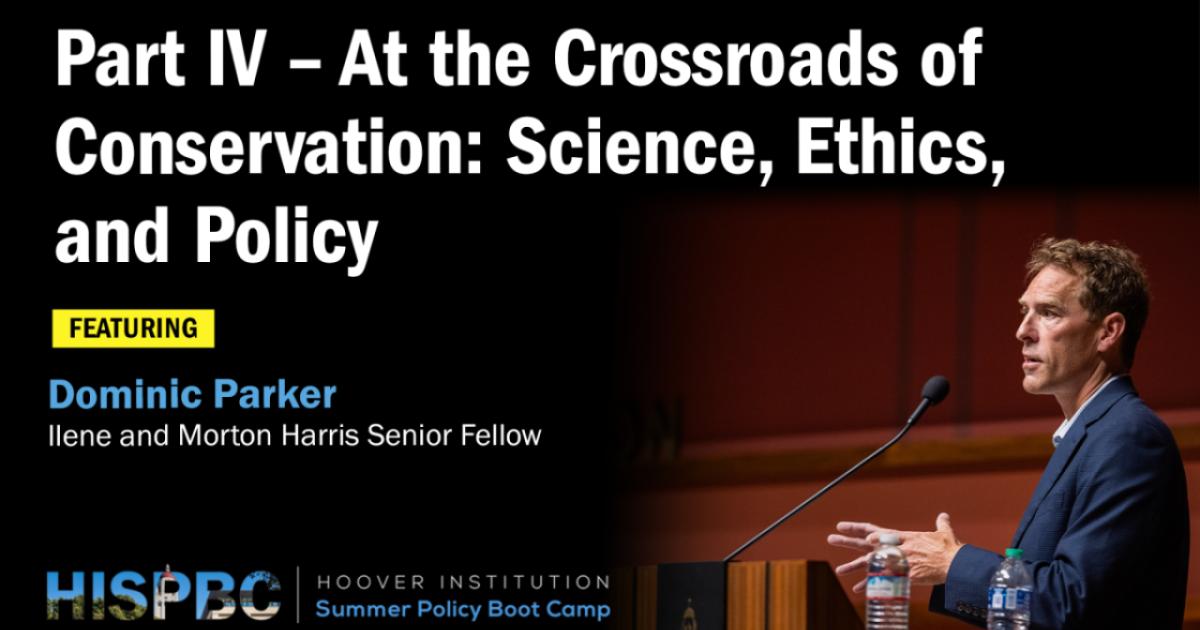
New research uncovers how environmental science papers employing subjective language receive significantly more citations than objective studies, creating career incentives that may compromise scientific integrity. Many scientists face pressure from journals, media, and advocacy groups to emphasize dramatic conclusions. This trend creates a troubling cycle where subjective science shapes public pessimism about environmental issues, potentially leading to policy decisions based on advocacy, activism, and alarmism rather than evidence.
Dominic (Nick) Parker is the Ilene and Morton Harris Senior Fellow (adjunct) at the Hoover Institution and the Anderson-Bascom Professor of Applied Economics at the University of Wisconsin–Madison, where he has won several awards for research and teaching. He is a senior fellow at the Property Environment Research Center and a regular lecturer for the Ronald Coase Institute and the Elinor Ostrom Workshop.
Check out more from Dominic Parker:
The opinions expressed in this video are those of the authors and do not necessarily reflect the opinions of the Hoover Institution or Stanford University. © 2024 by the Board of Trustees of Leland Stanford Junior University.
Articles
[Subscription Required] Metals and some plastics are worth separating, but the rest of it is costly and can hurt the environment.
October 7, 2026
series_item_video
Articles
[Subscription Requires] Scientists are as prone as anyone else to groupthink, and stifling dissent often produces disaster.
October 5, 2026