









Videos
Fighting Hyperinflations Around The World With Steve Hanke
Jon Hartley and Steve Hanke discuss currency boards, dollarization, and fighting inflation around the world.
September 17, 2026
Published April 11, 2023
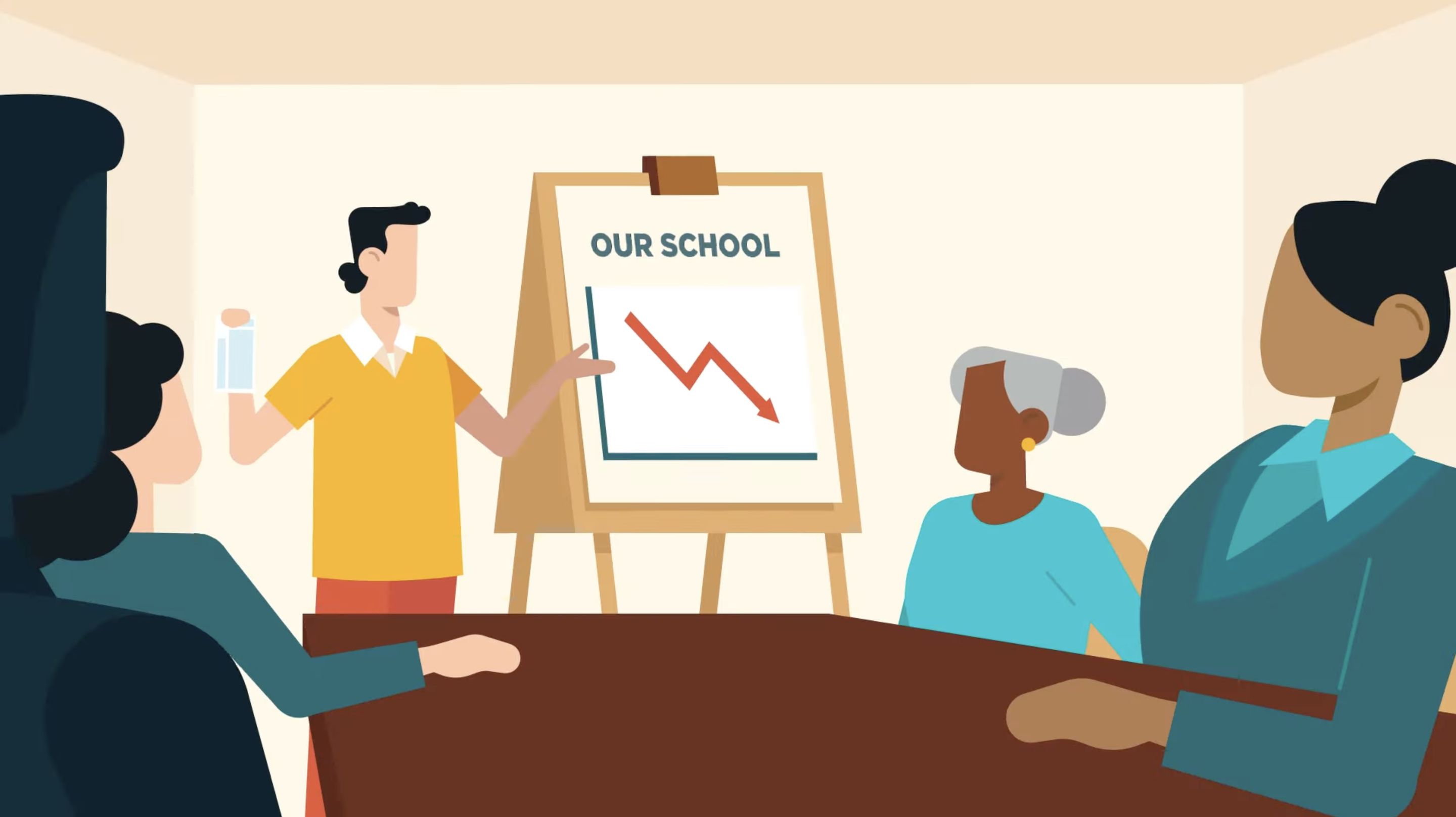
Many US states and districts are reconsidering how to meet federal accountability requirements as the COVID pandemic ends. While academic standards, student assessments, and consequences for failing schools have traditionally been the focus of accountability, attention needs to be paid to the capacity of schools, districts, and states to fix their shortcomings. Policy leaders must take into account whether their schools possess the ability and will to make improvements and must recommit to results-based accountability adapted to the post-pandemic era.
Discussion Questions:
Additional Resources:
Results-based school accountability has been the linchpin of education reform in the United States for the last two decades—and it’s done much good. But as accountability holidays caused by Covid end, many states and districts are rethinking how to comply with federal accountability requirements.
School accountability has traditionally been seen as having three parts: Academic standards, assessments of student performance (mostly using standardized tests), and consequences for schools whose students fail or meet them.
Today, most experts recognize that a fourth part needs to be added: attention to the capacity of schools, districts, and states to fix their shortcomings and up their game. It doesn’t help kids just to ding their school for its failures if nobody at that school has the capacity to make it better.
Fixing—or closing and replacing—troubled schools is really hard. Going forward, policy leaders should take into account whether their schools (and districts and states) possess the human, fiscal, political abilities—and the will—to fix the shortcomings identified by student assessments.
Whatever remedies are chosen, tomorrow’s education and government leaders should recommit to results-based school accountability adapted to the post-pandemic era and strengthened by a focus on the system’s capacity to engage in necessary reforms.
Videos
Jon Hartley and Steve Hanke discuss currency boards, dollarization, and fighting inflation around the world.
September 17, 2026
Videos
Can revealing a plot twist get you sued? Inspired by the controversy surrounding HBO’s Lanterns, Eugene Volokh and Jane Bambauer explore the tension between copyright protection and free speech.
September 15, 2026 • 0 Min Watch
Articles
It is comforting to suppose that the resentment and anger we provoke arise from misunderstandings on the part of others.
September 14, 2026