Working Papers
A Network Approach to Geopolitics
Economics Working Paper 26127
October 16, 2026
Published August 7, 2026
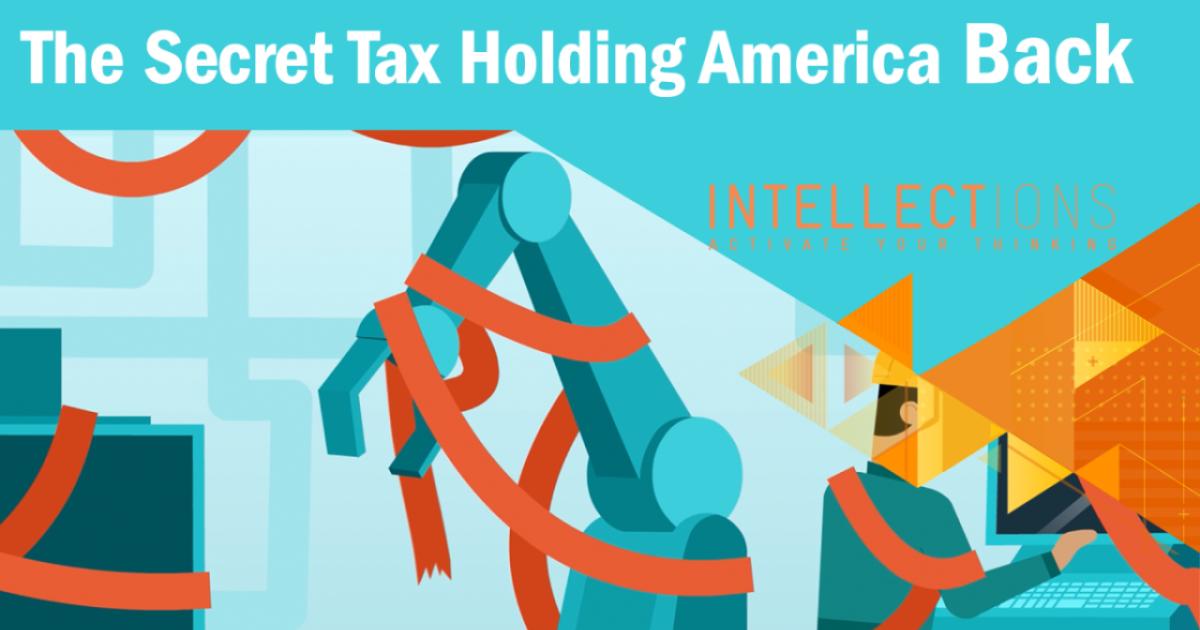
The Code of Federal Regulations has expanded from fewer than 10,000 pages in 1950 to more than 100,000 pages today, imposing costs that accumulate through higher prices, reduced innovation, and slower economic growth. Because the regulatory system is designed to keep expanding, lasting reform requires more than periodic deregulation. Congress should approve the costliest rules, agencies should conduct rigorous cost-benefit analyses, and a permanent office should keep regulatory reform on track across administrations.
Related Sources:
Visit Patrick A. McLaughlin's profile here.
__________
The opinions expressed in this video are those of the authors and do not necessarily reflect the opinions of the Hoover Institution or Stanford University.
© 2026 by the Board of Trustees of Leland Stanford Junior University.

Patrick A. McLaughlin
Working Papers
Economics Working Paper 26127
October 16, 2026
Videos
How did Donald Trump go from political defeat and the aftermath of January 6 to a second term in the White House?
October 19, 2026
Videos
Mickey Levy on his early career working with Alice Rivlin at the Congressional Budget Office and with Arthur Burns at AEI, as well as being part of the Shadow Open Markets Committee from its early days in the 1970s.
October 16, 2026