Published March 20, 2026
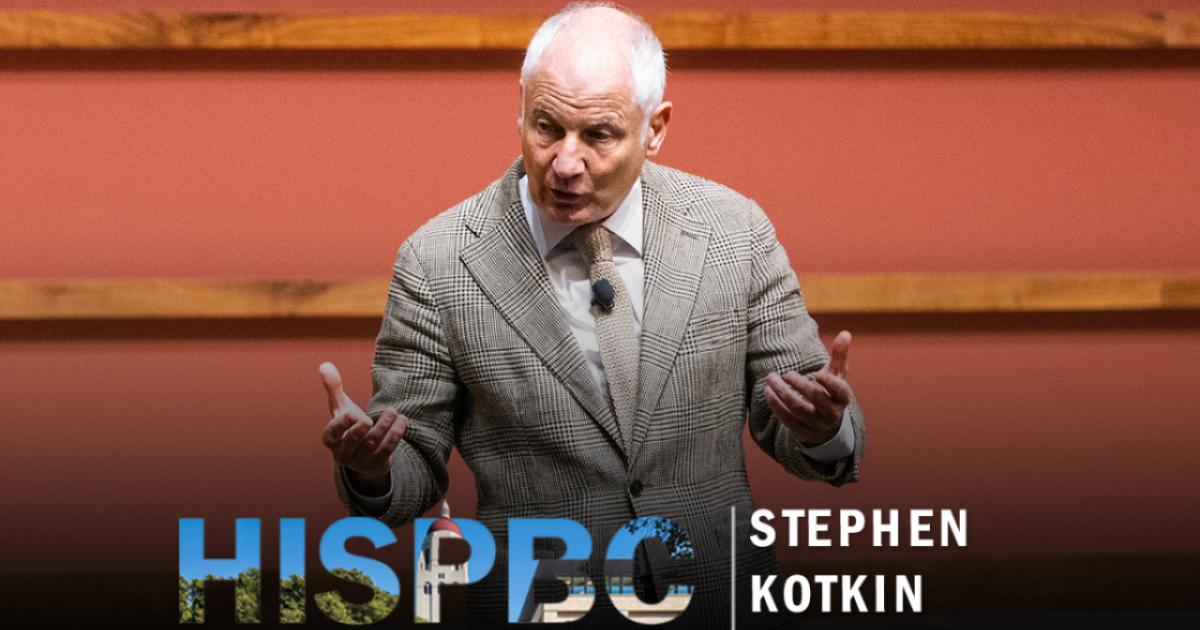
Viewed across five decades, the structure of global power has changed less than commonly assumed. Maritime democracies continue to confront large, land-based authoritarian powers, while the United States retains a dominant share of global wealth, military capacity, innovation, and cultural influence. What has changed is scale: global interconnection, dual-use technology, and the diffusion of economic success have made power harder to control and easier to exploit. The result is not decline, but a world destabilized by the unintended consequences of victory.
Check out more from Stephen Kotkin:
- Read "The Weakness of the Strongmen" by Stephen Kotkin here.
- Watch "Five Questions for Stephen Kotkin" from Uncommon Knowledge here.
- Watch "Three Historians Debate the Era of Trump" from Uncommon Knowledge with Stephen Kotkin here.
Learn more about Stephen Kotkin here.
Recorded on August 14, 2025.
__________
The opinions expressed in this video are those of the authors and do not necessarily reflect the opinions of the Hoover Institution or Stanford University.
© 2026 by the Board of Trustees of Leland Stanford Junior University.