Working Papers
A Network Approach to Geopolitics
Economics Working Paper 26127
October 16, 2026
Published May 20, 2024
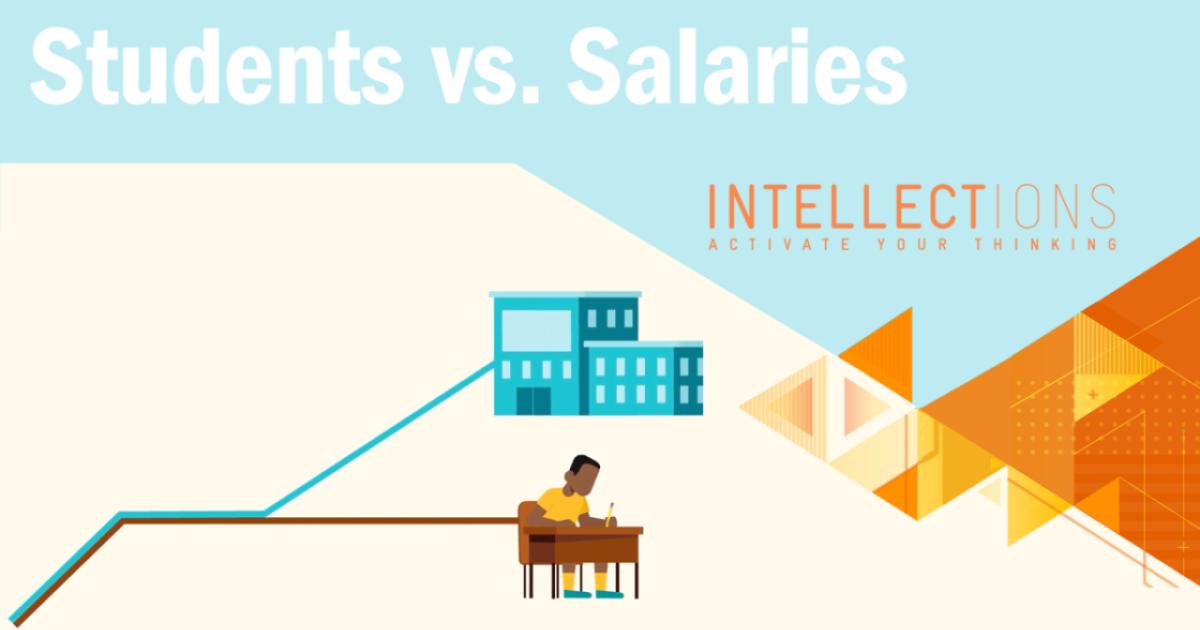
Teachers’ unions in the United States are one of the most powerful political forces in the country. Union-backed candidates win 7 out of every 10 school board seats and those candidates tend to prioritize union members and their interests rather than student achievement. To ensure that students come first, it is essential to counterbalance union influence through increased candidate and union transparency, as well as alternative endorsements from parent groups and political figures.
Check out More from Michael Hartney:
The opinions expressed on this website are those of the authors and do not necessarily reflect the opinions of the Hoover Institution or Stanford University. © 2024 by the Board of Trustees of Leland Stanford Junior University.

Michael T. Hartney
Working Papers
Economics Working Paper 26127
October 16, 2026
Podcasts
Hoover Institution fellow Lanhee Chen on why good policy so often fails politically.
October 20, 2026
Videos
How did Donald Trump go from political defeat and the aftermath of January 6 to a second term in the White House?
October 19, 2026