
Proponents of the Green New Deal want to shift all electricity production to renewable energy sources in just 12 years. Reducing carbon emissions to diminish global warming is a noble goal, but converting entirely to renewables wouldn’t just be expensive. It would be impossible.
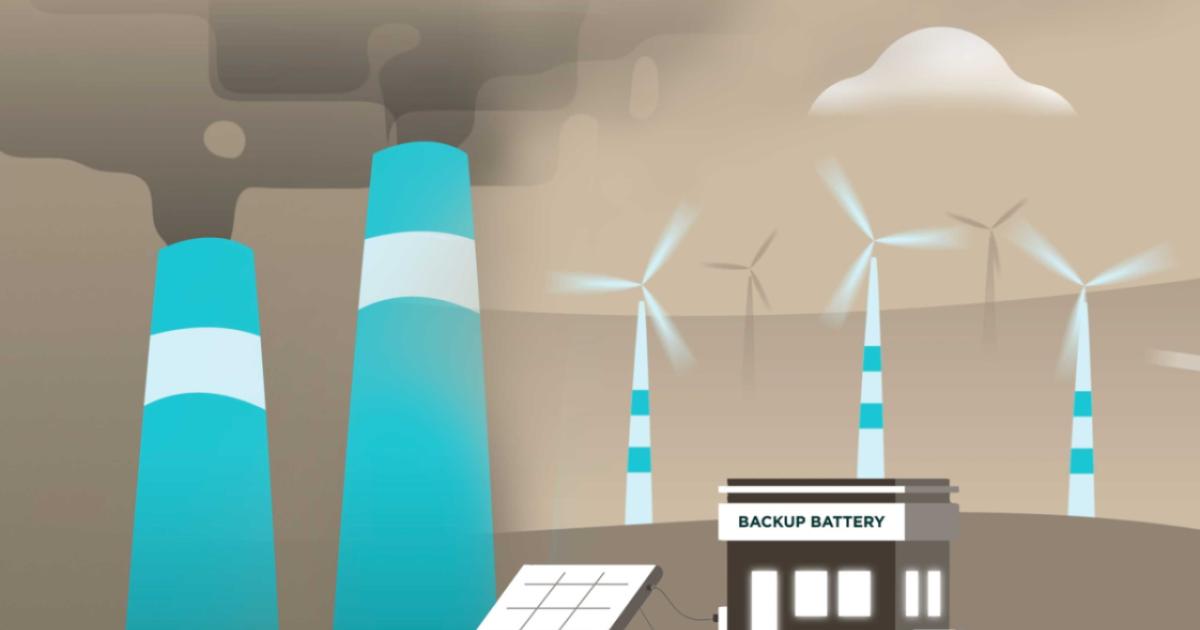
Wind and solar generate varying levels of power throughout the day, requiring backup power sources to keep the lights on. One idea is to store unused energy in batteries so it can be used on a calm day or dark night, but battery technology hasn’t developed sufficiently to make this a viable option.
Even just securing the raw materials needed for vastly expanded battery production would be costly and environmentally destructive. Those costs would be in addition to the costs of solar panels, wind turbines, and rebuilding the country’s electrical grid to handle these energy sources.
A gradual expansion of solar and wind in addition to other renewable options like nuclear power would be more consistent with the evolution of available technology. Despite their low carbon footprint, many environmentalists and politicians are steadfastly opposed to new dams or nuclear power plants.
Increasing renewable energy production to reduce carbon emissions is an admirable goal, but it will require technological advancements, not government mandates. When politicians become so wedded to particular solutions, they end up undermining better options.