Published on: January 2, 2020

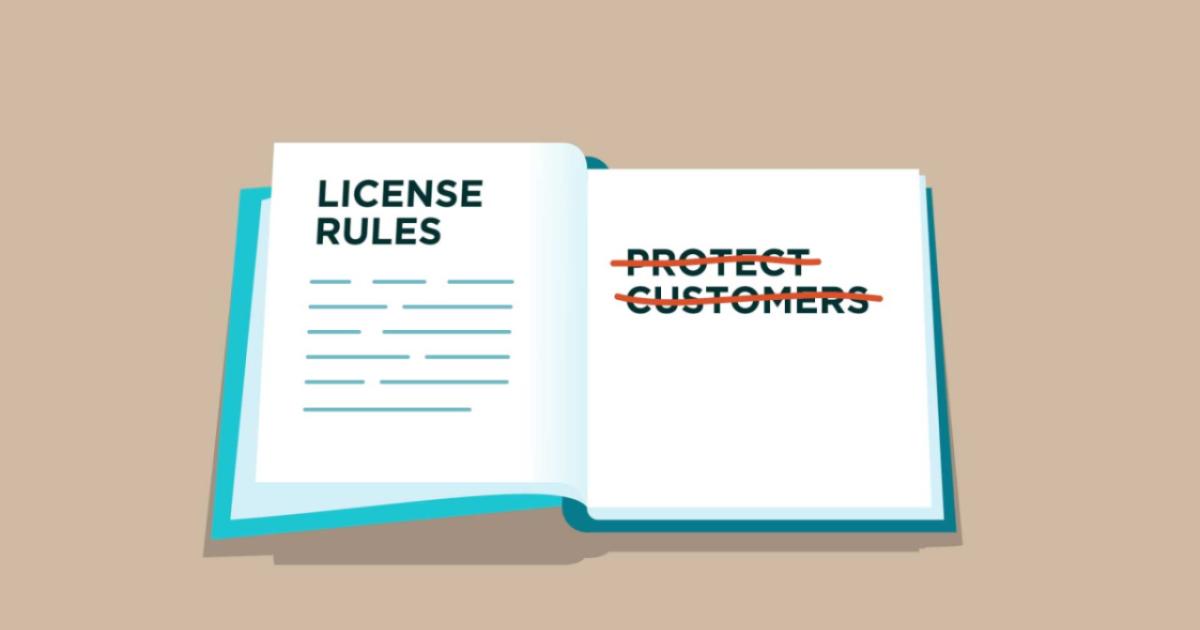
Occupational licensing is supposed to protect consumers, but instead it inhibits competition and further entrenches incumbents in the market. Under the guise of consumer safety, occupational licenses require costly classes or fees before workers may join certain professions. Many professions now require licenses even though they do not put consumers at risk.

Discussion Questions:

  1. What percentage of occupations should require licenses?
  2. What licenses exist that should be abolished?

Additional resources:

  • Read “Occupational Licensing Is a Bad Idea” by David Henderson, available here.
  • Read “Uber and Occupational Licenses” by John Cochrane, available here.
  • Read “My Short Case against Occupational Licensing” by David Henderson, available here.

Cast

David R. Henderson

David R. Henderson

The stated purpose of occupational licensing is to protect cosumers. 

These licenses often require people to take classes and pay costly fees before workers may join certain professions. 

But some states require licenses for hair braiding, coffin making, or even fortune telling... professions that don’t put consumers at risk. 

In these instances, the rules are less about consumer protection and more about protecting existing providers by stopping competition. 

That’s why the strongest supporters for these requirements are typically those already in an industry. 

They lobby for new rules that apply only to potential entrants. 

These requirements drive up prices, helping current workers, but hurting consumers and job seekers. 

There are better ways to protect consumers without creating barriers to work. 

Online review sites help consumers find high-quality and low-price goods and services. 

Consumers can also look for workers and businesses that earn optional certifications, which don’t bar job seekers from entering a profession if they don’t have one. 

Removing burdensome licensing requirements would make finding a job easier and increase choice and reduce prices for consumers.

Related

VIDEO

Should We Regulate AI (Before It's Too Late)?

Artificial intelligence could become one of the most consequential drivers of productivity and economic growth in a generation. Yet concerns about job displacement, misinformation, and political disruption have prompted calls to regulate the technology before its effects are fully understood. History shows that major innovations disrupt existing industries while creating new forms of work and enterprise that policymakers rarely anticipate. Premature regulation risks entrenching established firms, limiting competition, and expanding government influence over information. The challenge is to address genuine harms while preserving the freedom and experimentation that allow innovation to advance.

Videos

Incentives Are For Losers Featuring Adam Mastroianni

Adam Mastroianni and Russ Roberts explore what it takes to do the right thing when the incentives point the other way.

September 14, 2026

VIDEO

Is Minimum Wage A Dead End?

Minimum wage policy is intended to increase earnings for low-wage workers and reduce poverty. Evidence from state-level increases, however, shows that businesses may respond by changing how many people they employ, how many hours they offer, whom they hire, and how much work they automate. Workers who remain employed may earn more per hour, but others may lose income or job opportunities, while many of those who benefit do not live in poor households. The Earned Income Tax Credit (EITC) directs support toward low-income working families without putting other workers’ jobs or hours at risk.