Event
“Geography, Technology, and the Extent of Markets: A Method with an Application to the Wealth of Nations”
With Stephen Haber, Hoover Institution Park L. Loughlin Senior Fellow and Jordan Horrillo, Hoover Institution Fellow
April 23, 2026
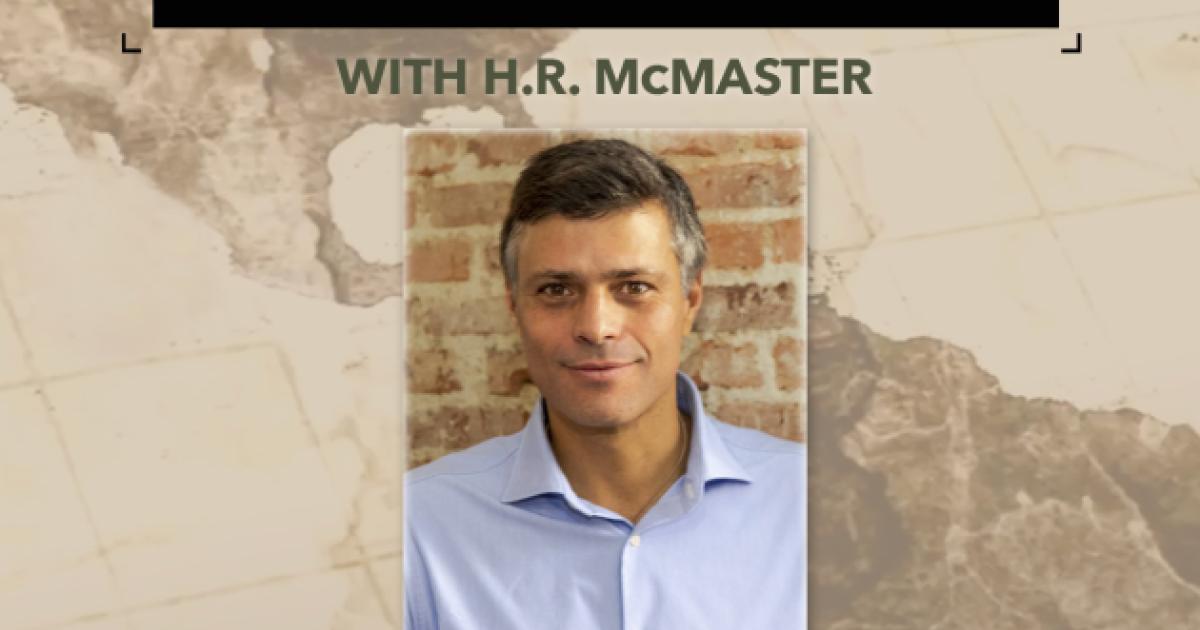
In this episode of Battlegrounds, H.R. McMaster and Leopoldo López discuss the ongoing crisis in Venezuela and the prospects for restoration of democratic governance under the Constitution and recovery from economic collapse.
H.R. McMaster in conversation with Leopoldo López on Wednesday, March 16, 2022 at 9:00am PT.
WATCH THIS EPISODE @ 9AM PT, MARCH 16, 2022
ABOUT THE SPEAKERS
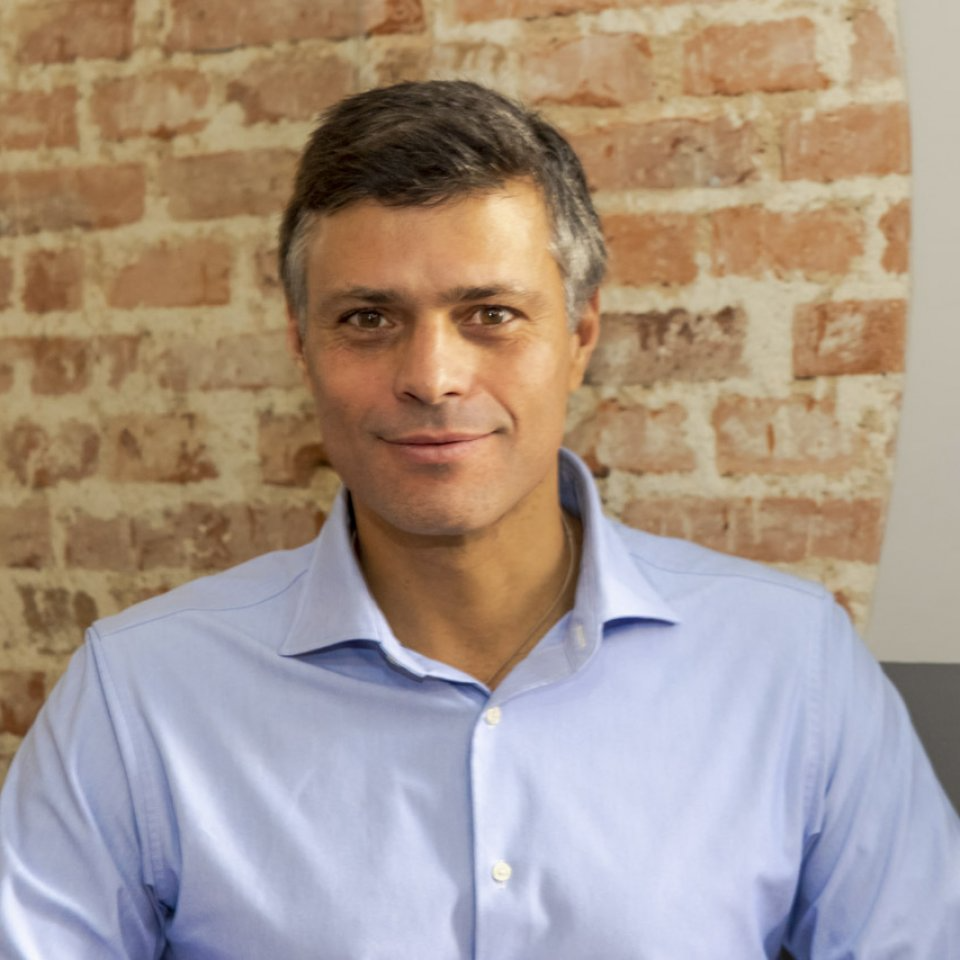
Leopoldo López is a Venezuelan political leader, pro-democracy activist and Sakharov prize laureate. He is the founder and national coordinator of the Voluntad Popular political party and the former mayor of the municipality of Chacao in Caracas. In 2014 López was unjustly detained by the Maduro regime and sentenced to 14 years of imprisonment. He spent four years in a military prison, a year and a half in house arrest and another year and a half in the Spanish embassy in Caracas under political asylum. In October 2020, López escaped from Venezuela through Colombia to join his family in Spain. López holds a Bachelor's degree cum laude in sociology and economics from Kenyon College, and a Master´s degree in public policy from the John F. Kennedy School of Government at Harvard University. He was awarded a honoris causa doctorate in Law from Kenyon College in 2007.

H. R. McMaster is the Fouad and Michelle Ajami Senior Fellow at the Hoover Institution, Stanford University and the Japan Chair at the Hudson Institute. He is also the Bernard and Susan Liautaud Fellow at the Freeman Spogli Institute and lecturer at Stanford University’s Graduate School of Business. He was the 25th assistant to the president for National Security Affairs. Upon graduation from the United States Military Academy in 1984, McMaster served as a commissioned officer in the United States Army for thirty-four years before retiring as a Lieutenant General in June 2018.
Battlegrounds provides a needed forum with leaders from key countries to share their assessment of problem sets and opportunities that have implications for U.S. foreign policy and national security strategy. Each episode features H.R. McMaster in a one-on-one conversation with a senior foreign government leader to allow Americans and partners abroad to understand how the past produced the present and how we might work together to secure a peaceful and prosperous future. “Listening and learning from those who have deep knowledge of our most crucial challenges is the first step in crafting the policies we need to secure peace and prosperity for future generations.”

Event
With Stephen Haber, Hoover Institution Park L. Loughlin Senior Fellow and Jordan Horrillo, Hoover Institution Fellow
April 23, 2026
Articles
The Golden State's Prop 40 wealth tax defeats itself.
October 9, 2026
Articles
The Toulouse School of Economics and the Banque de France are pleased to announce the winners of the 2026 Banque de France – TSE Prizes in Monetary Economics and Finance: Veronica Guerrieri (University of Chicago Booth School of Business) and Amit Seru (Stanford Graduate School of Business).
October 1, 2026