All Episodes
Sort by
Cast
View All Fellows
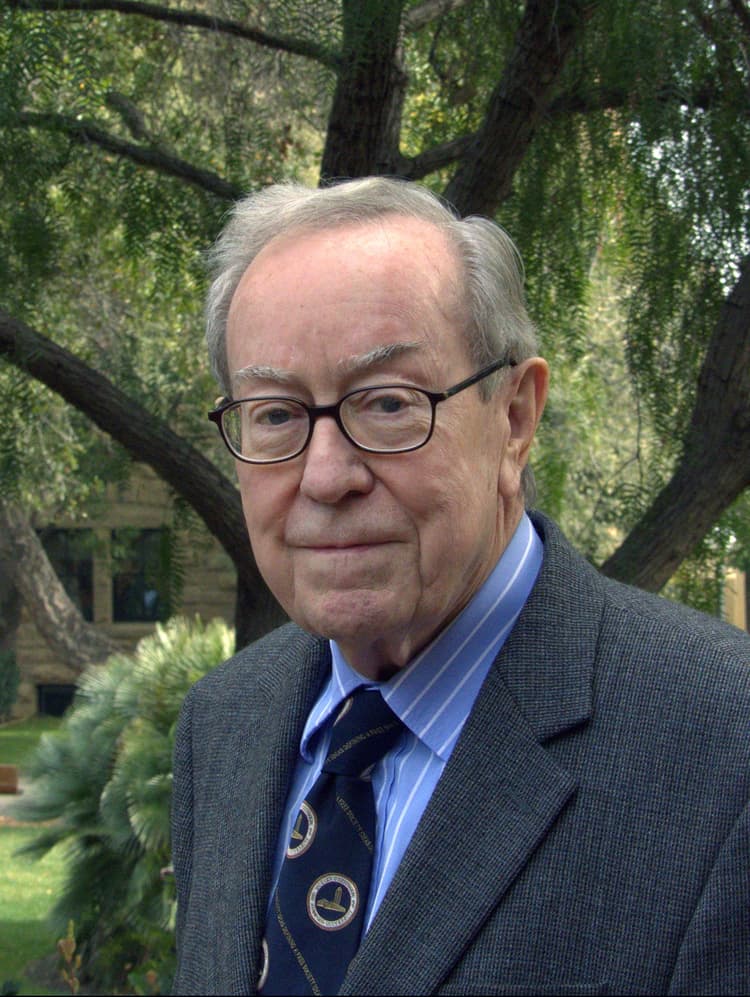
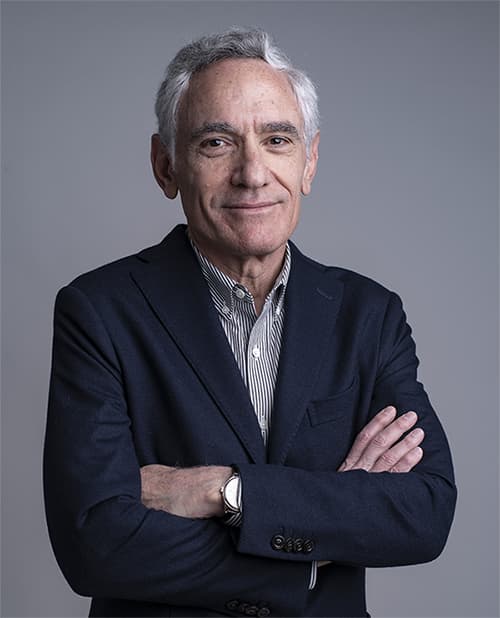
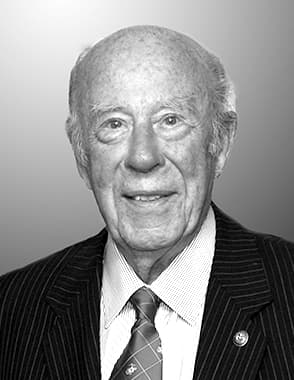
George Pratt Shultz passed away on February 6, 2021.
Shultz was the Thomas W. and Susan B. Ford Distinguished Fellow at the Hoover Institution. He had a distinguished career in government, in academia, and in the world of business. Shultz was one of two individuals who have held four different federal cabinet posts; he taught at three of this country’s great universities; and for eight years he was president of a major engineering and construction company.
Shultz was born in New York City on December 13, 1920, and grew up in Englewood, New Jersey. He attended Princeton University, graduating in 1942 with a BA in economics. Shortly after graduation, he enlisted in the US Marine Corps and served through 1945. He then resumed his studies, this time at the Massachusetts Institute of Technology (MIT), where he earned a PhD in industrial economics in 1949. From 1948 to 1957 he taught at MIT, taking a leave of absence in 1955 to serve as a senior staff economist on President Eisenhower’s Council of Economic Advisers.
In 1957, Shultz joined the faculty of the University of Chicago’s Graduate School of Business as a professor of industrial relations. He was named dean five years later. From 1968 to 1969 he was a fellow at the Center for Advanced Study in the Behavioral Sciences at Stanford University. He returned to government when he was appointed secretary of labor by President Nixon in 1969. In June 1970, he became the first director of the newly formed Office of Management and Budget. In May 1972, he was named secretary of the Treasury, a post he held for two years. During this period, Shultz also served as chairman of the Council on Economic Policy, negotiated a series of trade protocols with the Soviet Union, and represented the United States at the Tokyo meeting on the General Agreement on Tariffs and Trade.
Shultz left government service in 1974 to become president and director of the Bechtel Group, where he remained until 1982. While at Bechtel, he maintained close ties with the academic world by joining the faculty of Stanford University.
Shultz held two key positions in the Reagan administration: chairman of the President’s Economic Policy Advisory Board (1981–82) and secretary of state (1982–89). As secretary of state, he played a key role in implementing a foreign policy that led to the successful conclusion of the Cold War and the development of strong relationships between the United States and the countries of the Asia-Pacific region including China, Japan, and the Association of Southeast Asian Nations.
After leaving office, Shultz rejoined the Bechtel Group as director and senior counselor. He also rejoined Stanford as professor of international economics at the Graduate School of Business and as a distinguished fellow at the Hoover Institution. In 2001, Shultz was named the Thomas W. and Susan B. Ford Distinguished Fellow at the Hoover Institution.
In January 1989, Shultz was awarded the Medal of Freedom, the nation’s highest civilian honor. He is also a recipient of the Seoul Peace Prize (1992), the West Point Sylvanus Thayer Award (1992), the Eisenhower Medal for Leadership and Service (2001), the Reagan Distinguished American Award (2002), and the Association for Diplomatic Studies and Training’s Ralph Bunche Award for Diplomatic Excellence (2002). Other honors awarded in 2002 include the Elliot Richardson Prize for Excellence and Integrity in Public Service, the James H. Doolittle Award, and the John Witherspoon Medal for Distinguished Statesmanship. The George Shultz National Foreign Affairs Training Center in Arlington, Virginia, was dedicated in a ceremony on May 29, 2002. Shultz was named a distinguished fellow of the American Economic Association in 2005 and received the American Spirit Award from the National World War II Museum in 2006. In 2007, he received the George Marshall Award from the United States Agency for International Development and the Truman Medal for Economic Policy. He received the Rumford Prize from the American Academy of Arts and Sciences in 2008 and the Commandant’s Leadership Award from the Marine Corps–Law Enforcement Foundation in 2009. In 2011, he received the Congressional Medal of Honor Society’s Distinguished Citizen Award and the first Economic Club of New York Award for Leadership Excellence. In 2012, he was presented with a Democracy Service Medal by the National Endowment for Democracy and received the Henry A. Kissinger Prize at the American Academy in Berlin. The Ronald Reagan Presidential Foundation dedicated the Global Issues and Reagan-Gorbachev Summits Galleries in his honor in June 2012.
Shultz’s publications include Thinking about the Future (Hoover Institution Press, June 2019); Learning from Experience (Hoover Institution Press, October 2016); Issues on My Mind: Strategies for the Future (Hoover Institution Press, 2013); The Nuclear Enterprise: High-Consequence Accidents: How to Enhance Safety and Minimize Risks in Nuclear Weapons and Reactors (Hoover Institution Press, 2012), coedited with Sidney Drell; Ideas & Action: Featuring 10 Commandments for Negotiations (2010); Ending Government Bailouts as We Know Them (Hoover Institution Press 2010), coedited with Kenneth E. Scott and John Taylor; Putting Our House in Order: A Citizen’s Guide to Social Security and Health Care Reform, with John B. Shoven (2008); Turmoil and Triumph: My Years as Secretary of State (1993); Economic Policy beyond the Headlines, with Kenneth Dam (1977); Workers and Wages in the Urban Labor Market, with Albert Rees (1970); Guidelines, Informal Controls, and the Marketplace, with Robert Aliber (1966); Strategies for the Displaced Worker: Confronting Economic Change, with Arnold Weber (1966); Management Organization and the Computer, with Thomas Whisler (eds.) (1960); Labor Problems: Cases and Readings, with John Coleman (1959); The Dynamics of a Labor Market, with Charles Myers (1951); Pressures on Wage Decisions (1951); "Case Study No. 10," with Robert P. Crisara, in Causes of Industrial Peace under Collective Bargaining (1951); and "Case Study No. 7," with Charles A. Myers, in Causes of Industrial Peace under Collective Bargaining (1950).
Shultz holds honorary degrees from Notre Dame, Columbia, Loyola, University of Pennsylvania, Rochester, Princeton, Carnegie-Mellon, City University of New York, Yeshiva University, Weizmann Institute of Science, Baruch College of New York, Hebrew University of Jerusalem, Tbilisi State University in the Republic of Georgia, Technion, Keio University in Tokyo, Williams College, and Peking University.
Learn More
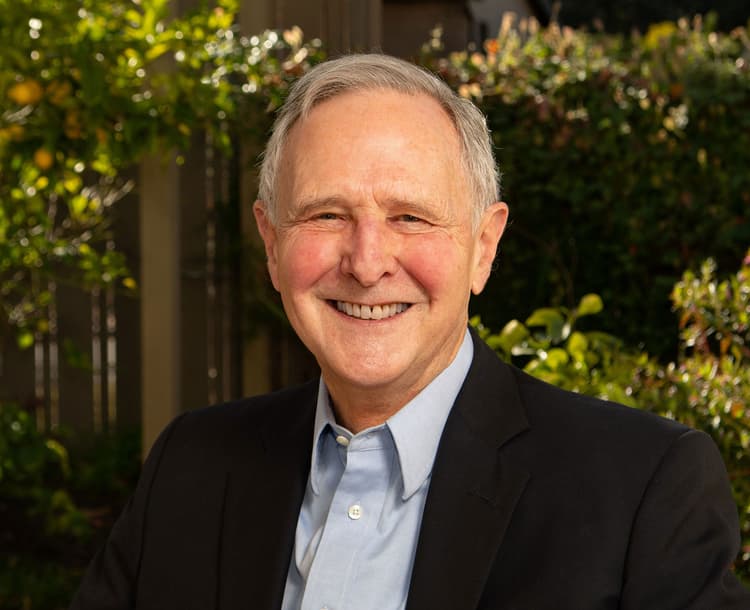
Eric Hanushek
Paul and Jean Hanna Senior Fellow in Education
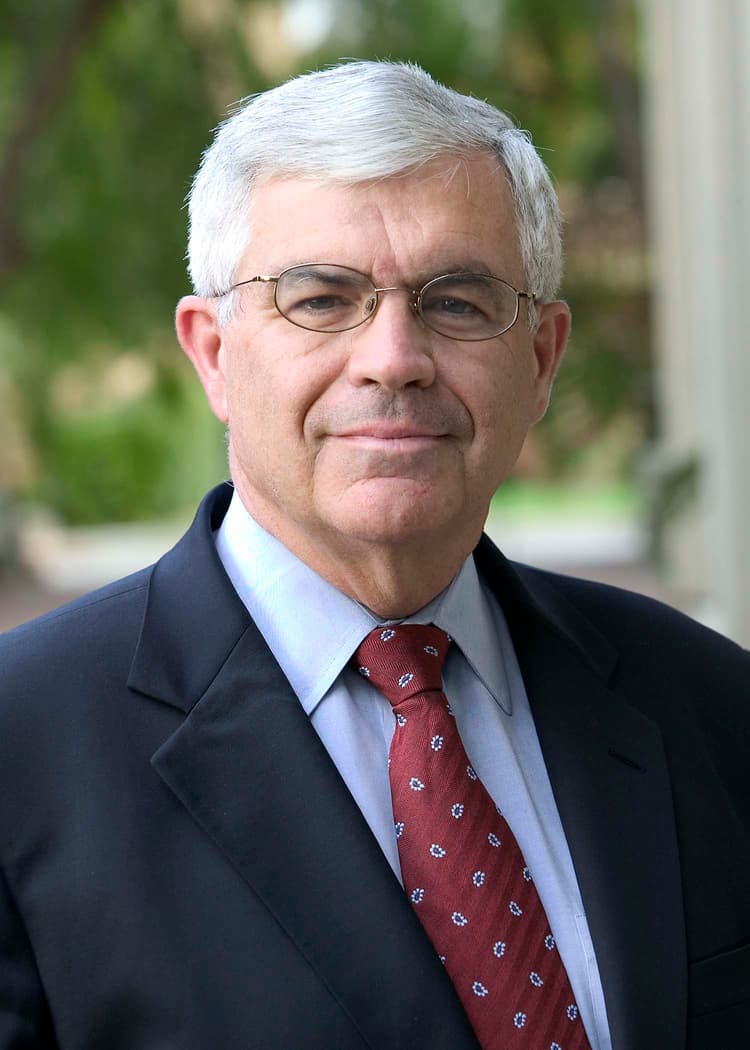
Eric Hanushek is the Paul and Jean Hanna Senior Fellow at Stanford University’s Hoover Institution and a leading authority on the economics of education. His pioneering research on teacher quality, school accountability, and the economic returns to educational achievement has shaped policy worldwide. Author of over 300 articles and 26 books, he received the 2021 Yidan Prize for Education Research. He is a Distinguished Graduate of the U.S. Air Force Academy and earned his Ph.D. at MIT.
Learn More
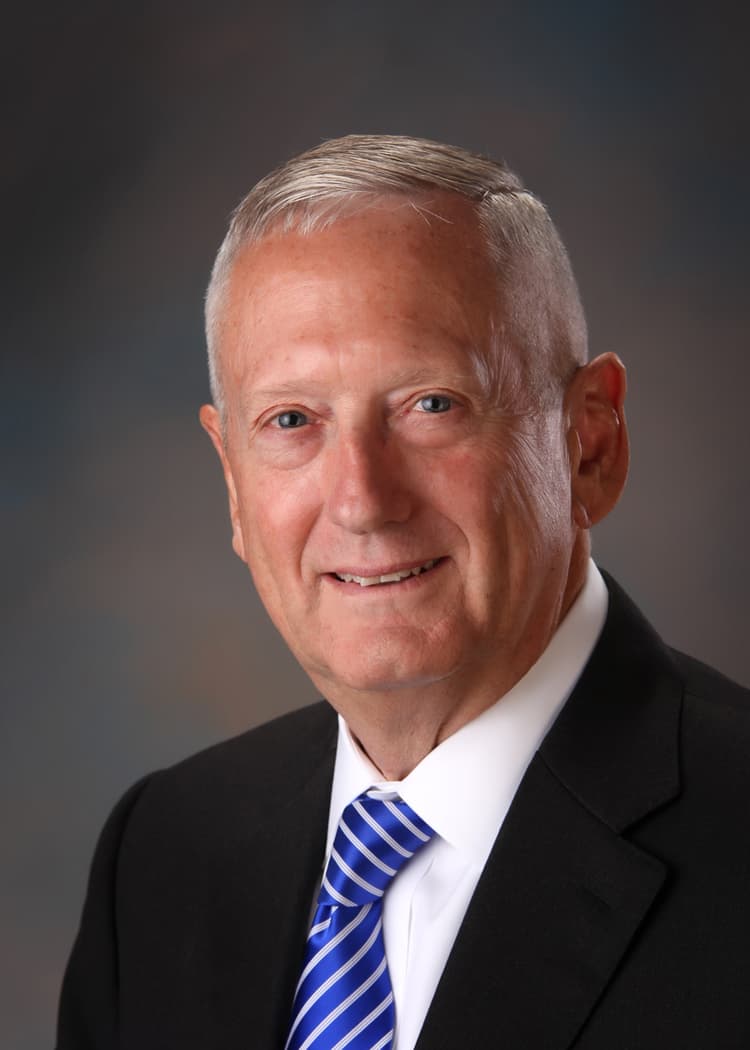
General Jim Mattis
Davies Family Distinguished Fellow
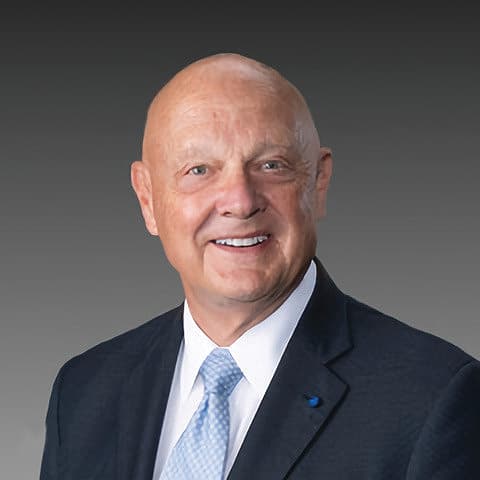
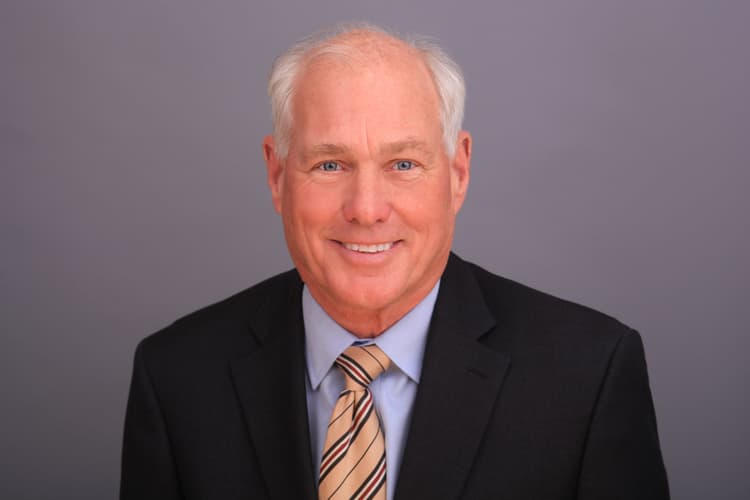
General Jim Mattis, US Marine Corps (Ret.), is the Davies Family Distinguished Fellow, after having served as the nation’s 26th Secretary of Defense in the administration.
In December of 2016, President Donald J. Trump nominated Mattis for Secretary of Defense and he was confirmed a month later. Mattis left Hoover to apply his knowledge and experience to help the President shape his national defense policy.
General Mattis commanded at multiple levels in his forty-three year career as an infantry Marine. As a lieutenant in the western Pacific, he served as a rifle and weapons platoon commander in the Third Marine Division. As a captain in the Pacific and Indian Ocean, he commanded a rifle company and a weapons company in the First Marine Brigade. As a major he was the battalion officer at the Naval Academy Prep School and commanded Marine recruiters in the Pacific Northwest and Hawaii. As a lieutenant colonel he commanded an assault battalion breaching the Iraqi minefields in Operation Desert Storm. As a colonel he commanded 7th Marine Regiment and, on Pentagon duty, he served as the Department of Defense Executive Secretary. As a brigadier general he was the Senior Military Assistant to the Deputy Secretary of Defense.
Following 9-11 he commanded the First Marine Expeditionary Brigade and Naval Task Force 58 in operations against the Taliban in southern Afghanistan. As a major general, he commanded the First Marine Division during the initial attack and subsequent stability operations in Iraq. In his first tour as a lieutenant general, he was in charge of Marine Corps Combat Development at Quantico and subsequently served as Commander, I Marine Expeditionary Force/Commander, U.S. Marine Forces in the Middle East. As a general he served concurrently as the Commander of U.S. Joint Forces Command and as NATO’s Supreme Allied Commander for Transformation.
Before retiring in 2013 he was the Commander of U.S. Central Command, directing military operations of over 250,000 soldiers, sailors, airmen, Coast Guardsmen, Marines and allied forces across the Middle East. He is the author of the New York Times bestseller, Call Sign Chaos: Learning to Lead, and the co-editor of the book, Warriors & Citizens: American Views of Our Military.
Learn More
John F. Cogan
Leonard and Shirley Ely Senior Fellow
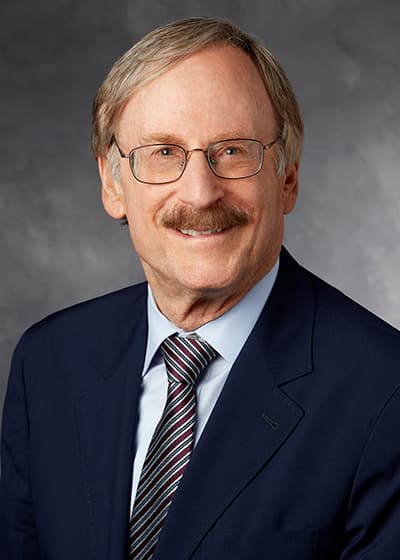
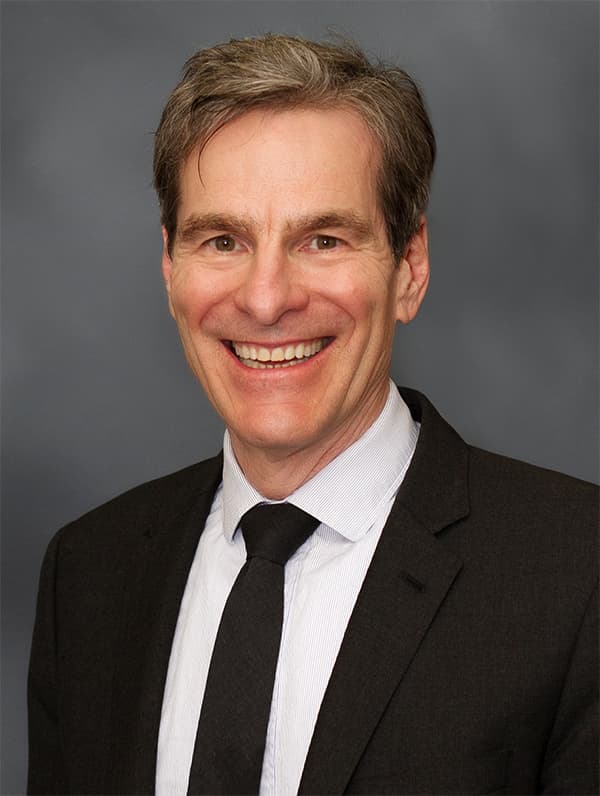
John F. Cogan is the Leonard and Shirley Ely Senior Fellow at the Hoover Institution. His research is focused on US budget and fiscal policy and federal entitlement programs. He has published widely in professional journals in both economics and political science. His latest book, The High Cost of Good Intentions (2017) is the recipient of the 2018 Hayek Prize. The book traces the history of US federal entitlement programs from the Revolutionary War to modern times. His previous books include Healthy, Wealthy, and Wise: Five Steps to a Better Health Care System (2005), coauthored with Glenn Hubbard and Daniel P. Kessler, and The Budget Puzzle (1994), with Timothy J. Muris and Allen Schick.
At Stanford, he taught classes in the Economics Department, the Graduate School of Business, and the Public Policy Program, where he was a faculty member from 1994 to 2019. He also served on faculty advisory boards for the Stanford in Washington Program and the Stanford Institute for Economic Policy Research. He is a recipient of the Stanford-in-Government's Distinguished Service Award and the Stanford Review’s Best Undergraduate Teaching Award.
Cogan has devoted a considerable part of his career to public service. He served under President Ronald Reagan as assistant secretary for policy in the US Department of Labor from 1981 to 1983, and in the US Office of Management and Budget, as associate director from 1983 to 1985 and as deputy director from 1988 to 1989.
He was appointed to numerous congressional, presidential, and California state advisory commissions. He was a member of President George W. Bush’s Commission to Strengthen Social Security, the US Bipartisan Commission on Health Care (the Pepper Commission), the Social Security Notch Commission, and the National Academy of Sciences’ Panel on Poverty and Family Assistance. He was also a member of the California State Commission on the 21st-Century Economy and the California Public Employee Post-Employment Benefits Commission.
Cogan served on the board of directors of Monaco Coach Corporation from 2006 to 2009; the board of directors of Gilead Sciences from 2006 to 2020 (lead independent director, 2013–2020); and on the board of trustees of the Charles Schwab Family of Funds from 2009 to 2021 (chairman, Governance Committee 2014–2020).
Cogan received his AB in 1969 and his PhD in 1976 from the University of California–Los Angeles, both in economics. He received his MA in economics from California State University–Long Beach in 1970. He was an associate economist at the RAND Corporation from 1975 to 1980. In 1979, Cogan was appointed a national fellow at the Hoover Institution; in 1980 he was appointed a senior research fellow; and in 1984 he became a senior fellow.
Learn More
John H. Cochrane
Rose-Marie and Jack Anderson Senior Fellow
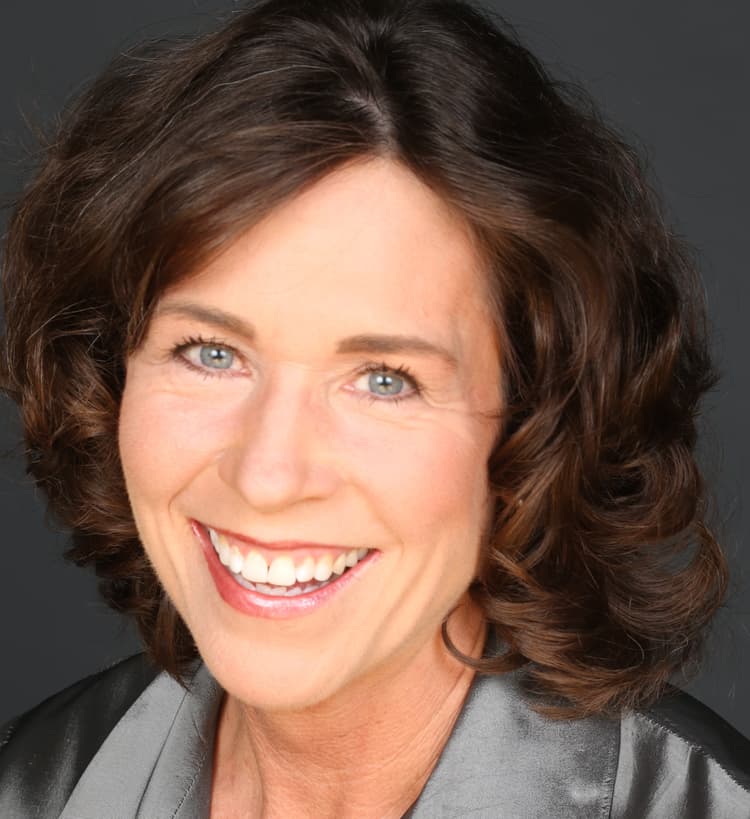
John H. Cochrane is the Rose-Marie and Jack Anderson Senior Fellow of the Hoover Institution at Stanford University.
His monetary economics publications include the books The Fiscal Theory of the Price Level, Crisis Cycle: Challenges Evolution and Future of the Euro (with Luis Garicano and Klaus Masuch) and articles on monetary policy and inflation. His finance publications include the book Asset Pricing and articles on dynamics in stock, bond, and foreign exchange markets and their links to economic fluctuations. He has also written articles on macroeconomics, health insurance, time-series econometrics, financial regulation, and other topics. He was a coauthor of The Squam Lake Report. He writes occasional Op-eds, mostly in the Wall Street Journal, and authors the “Grumpy Economist” Substack. He recently created the Coursera online course “Asset Pricing.”
Cochrane is also a Senior Fellow of the Stanford Institute for Economic Policy Research (SIEPR), Professor of Finance and Economics (by Courtesy) at Stanford GSB, a Research Associate of the National Bureau of Economic Research, and an Adjunct Scholar of the CATO Institute. He is a past President and Fellow of the American Finance Association, and a Fellow of the Econometric Society. He has been an Editor of the Journal of Political Economy, and associate editor of several journals including the Journal of Monetary Economics, Journal of Business, and Journal of Economic Dynamics and Control. He was a director of the NBER asset pricing program. Awards include the Bradley Prize, the APEE Adam Smith award, the TIAA-CREF Institute Paul A. Samuelson Award for Asset Pricing, the Chookaszian Endowed Risk Management Prize, the Faculty Excellence Award for MBA teaching and the McKinsey Award for Outstanding Teaching.
Before coming to Hoover, Cochrane was the AQR Capital Management Distinguished Service Professor of Finance at the University of Chicago Booth School of Business, where he taught the MBA class “Advanced Investments” and a variety of PhD classes in Asset Pricing and Monetary Economics. Cochrane earned a Bachelor’s degree in Physics at MIT, and earned his Ph.D. in Economics at the University of California at Berkeley. He was at the Economics Department of the University of Chicago before joining the Booth School in 1994, and visited UCLA Anderson School of Management in 2000-2001.
Outside of academic pursuits Cochrane is a competition sailplane pilot, and enjoys cycling, windsurfing, skiing, and other outdoor activities.
Learn More