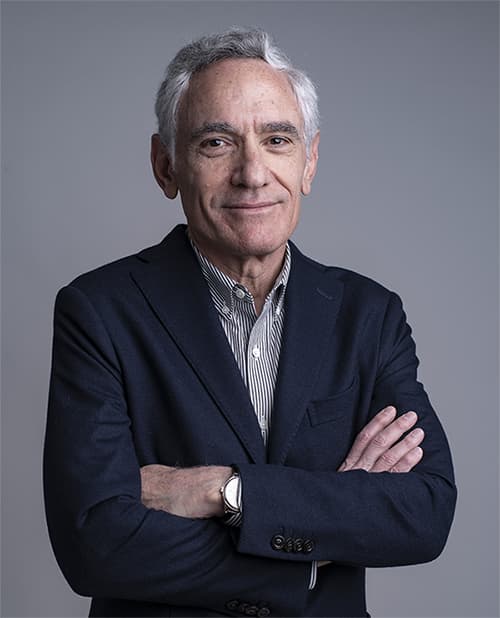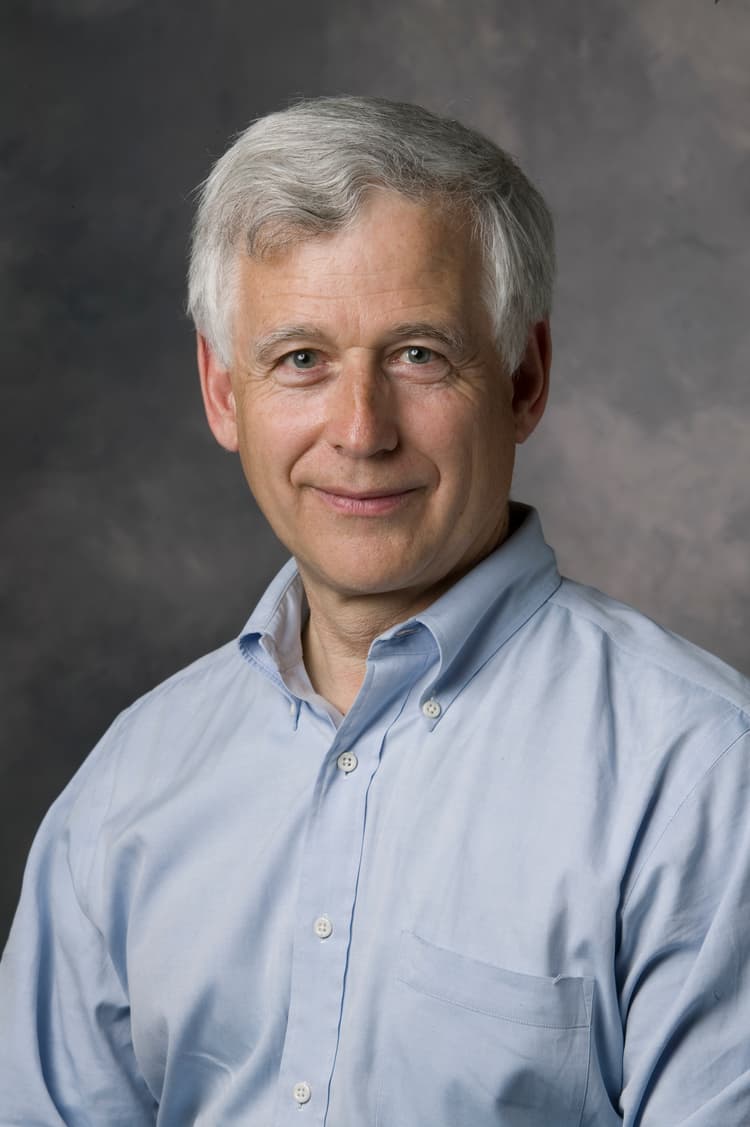
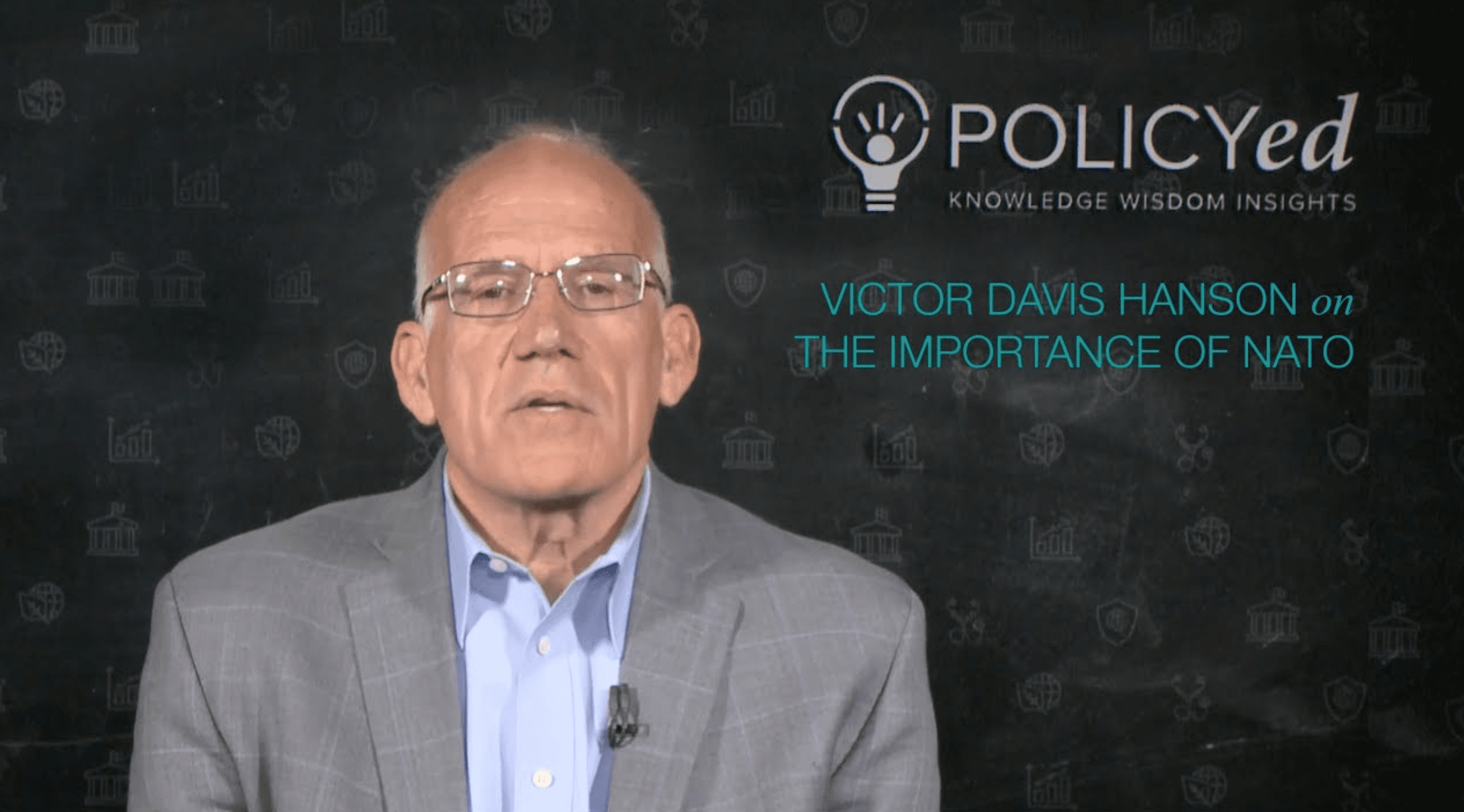
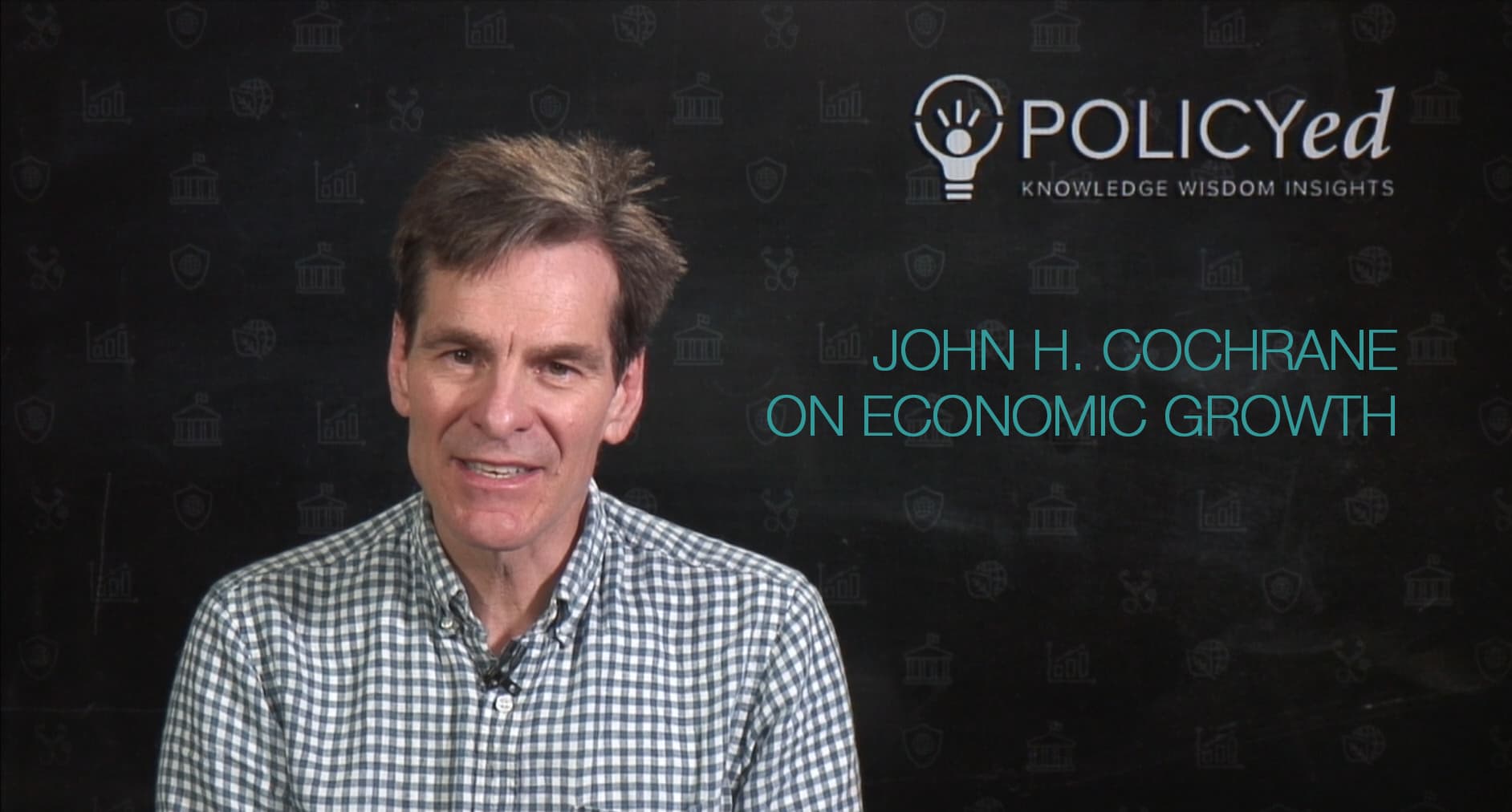
PolicyEd products receive thousands of comments and questions. Office Hours follows up with Hoover fellows about the most commonly asked questions from their videos. Either over video or in a podcast format, fellows engage with the audience by offering clear and succinct answers. Office Hours allows PolicyEd and the Hoover Institution to further educate and connect with its audience.
Rose and Milton Friedman Senior Fellow on Public Policy
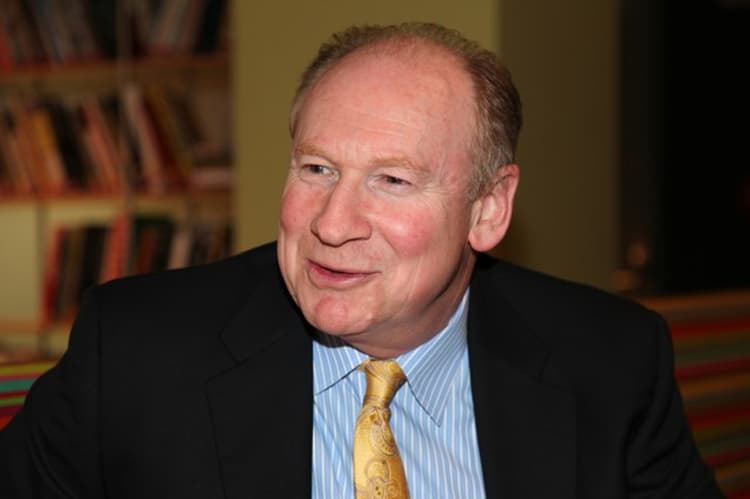
Michael J. Boskin is the Rose and Milton Friedman Senior Fellow on Public Policy at the Hoover Institution and the Tully M. Friedman Professor of Economics at Stanford. He is also a research associate of the National Bureau of Economic Research. In addition, he advises governments and businesses globally.
Boskin served as chairman of the President’s Council of Economic Advisers (CEA) from 1989 to 1993, when he helped resolve the Third World Debt and Saving and Loan financial crises, and place the first effective controls on government spending while protecting the defense budget. His CEA was rated by the Council for Excellence in Government as one of the five most respected agencies in the federal government. He earlier served on presidential candidate Ronald Reagan’s Tax Policy Task Force, helping develop the policies that, during Reagan’s presidency, substantially lowered marginal tax rates, indexed tax brackets for inflation, accelerated depreciation, and created IRAs and 401Ks, the economic rationale for which was predicated on his research on the effects of taxes on saving. He later chaired the highly influential blue-ribbon Advisory Commission to Study the Consumer Price Index, whose report has transformed the way government statistical agencies around the world measure inflation, GDP, and productivity.
Boskin serves on several corporate and philanthropic boards of directors, including those of the Oracle Corporation, the Koret Foundation and Bloom Energy.
In addition to Stanford and the University of California, Boskin has taught at Harvard and Yale. The author of more than one hundred fifty books and articles, he is internationally recognized for his research on world economic growth, tax and budget theory and policy, US saving and consumption patterns, and the implications of changing technology and demography on capital, labor, and product markets. His op-eds appear regularly in the Wall Street Journal and other leading newspapers. He also writes a bimonthly column on global economics and politics syndicated in 145 countries.
Boskin has received numerous professional awards and citations, including Stanford’s Distinguished Teaching Award in 1988; the National Association of Business Economists’ Abramson Award for outstanding research and its Distinguished Fellow Award; the Medal of the President of the Italian Republic in 1991 for his contributions to global economic understanding; and the 1998 Adam Smith Prize for outstanding contributions to economics.
Boskin received his BA with highest honors and the Chancellor’s Award as outstanding undergraduate from the University of California–Berkeley, where he also received his MA and PhD.
His research papers and op-eds are available at the Hoover Institution Archives and on his personal website. His current research focuses on the defense budget, federalism, the political economy of redistribution, and more generally, public economics and macroeconomics.
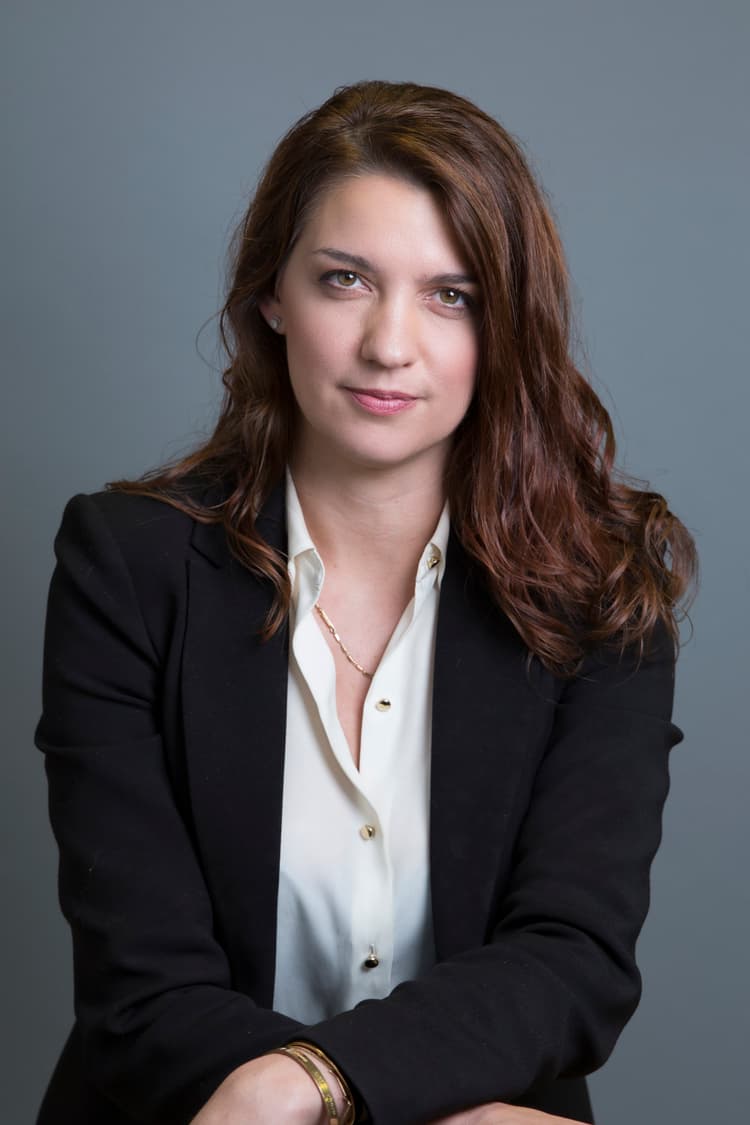
Dr. Kori Schake is the Deputy Director-General of the International Institute for Strategic Studies (IISS). She was a distinguished research fellow at the Hoover Institution and is the editor, with Jim Mattis, of the book Warriors and Citizens: American Views of Our Military.
She has served in various policy roles including at the White House for the National Security Council; at the Department of Defense for the Office of the Secretary and Joint Chiefs of Staff and the State Department for the Policy Planning Staff. During the 2008 presidential election, she was Senior Policy Advisor on the McCain-Palin campaign.
She has been profiled in publications ranging from national news to popular culture including the Los Angeles Times, Politico, and Vogue Magazine.
Her recent publications include: Safe Passage: The Transition from British to American Hegemony (Harvard University Press, 2017), Republican Foreign Policy After Trump (Survival, Fall 2016), National Security Challenges for the Next President (Orbis, Winter 2017), and Will Washington Abandon the Order?, (Foreign Affairs, Jan/Feb 2017).
Victor Davis Hanson is the Martin and Illie Anderson Senior Fellow at the Hoover Institution; his focus is classics and military history.
Hanson was a National Endowment for the Humanities fellow at the Center for Advanced Studies in the Behavioral Sciences, Stanford, California (1992–93), a visiting professor of classics at Stanford University (1991–92), the annual Wayne and Marcia Buske Distinguished Visiting Fellow in History at Hillsdale College (2004–), the Visiting Shifron Professor of Military History at the US Naval Academy (2002–3), and the William Simon Visiting Professor of Public Policy at Pepperdine University (2010).
In 1991 he was awarded an American Philological Association Excellence in Teaching Award. He received the Eric Breindel Award for Excellence in Opinion Journalism (2002), presented the Manhattan's Institute's Wriston Lecture (2004), and was awarded the National Humanities Medal (2007) and the Bradley Prize (2008).
Hanson is the author of hundreds of articles, book reviews, and newspaper editorials on Greek, agrarian, and military history and essays on contemporary culture. He has written or edited twenty-four books, the latest of which is The Case for Trump (Basic Books, 2019). His other books include The Second World Wars (Basic Books, 2017); The Savior Generals: How Five Great Commanders Saved Wars That Were Lost - from Ancient Greece to Iraq (Bloomsbury 2013); The End of Sparta (Bloomsbury, 2011); The Father of Us All: War and History, Ancient and Modern (Bloomsbury, 2010); Makers of Ancient Strategy: From the Persian Wars to the Fall of Rome (ed.) (Princeton, 2010); The Other Greeks (California, 1998); The Soul of Battle (Free Press, 1999); Carnage and Culture (Doubleday, 2001); Ripples of Battle (Doubleday, 2003); A War Like No Other (Random House, 2005); The Western Way of War (Alfred Knopf, 1989; 2nd paperback ed., University of California Press, 2000); The Wars of the Ancient Greeks (Cassell, 1999; paperback ed., 2001); and Mexifornia: A State of Becoming (Encounter, 2003), as well as two books on family farming, Fields without Dreams (Free Press, 1995) and The Land Was Everything (Free Press, 1998). Currently, he is a syndicated columnist for Tribune Media Services and a weekly columnist for the National Review Online.
Hanson received a BA in classics at the University of California, Santa Cruz (1975), was a fellow at the American School of Classical Studies, Athens (1977–78), and received his PhD in classics from Stanford University (1980).
Russ Roberts is a visiting fellow at the Hoover Institution. In 2006, he founded the award-winning weekly podcast EconTalk, which has featured guests including Milton Friedman, Martha Nussbaum, Christopher Hitchens, Agnes Callard, Bill James, Nassim Nicholas Taleb, Amor Towles, and Emily Oster. All 875+ episodes remain available free of charge at EconTalk.org and reach an audience of more than 125,000 listeners in 200 countries.
His two rap videos on the ideas of John Maynard Keynes and Friedrich Hayek, created with filmmaker John Papola, have had more than 13 million YouTube views, have been subtitled in 11 languages, and are used in high school and college classrooms around the world. His poem and animated video “It’s a Wonderful Loaf” (https://wonderfulloaf.org) is an ode to emergent order. His series on the challenge of using data to establish truth, The Numbers Game, can be found at PolicyEd.org.
His latest book is Wild Problems: A Guide to the Decisions That Define Us (Portfolio, 2022), a look at big life decisions that we make with little help from quantitative data. Other books include Gambling with Other People's Money: How Perverse Incentives Caused the Financial Crisis (Hoover Institution Press, 2019) and How Adam Smith Can Change Your Life: An Unexpected Guide to Human Nature and Happiness (Portfolio, 2014). The latter takes lessons from Adam Smith’s little-known masterpiece The Theory of Moral Sentiments and applies them to modern life.
In 2021, Roberts became the president of Shalem College in Jerusalem, Israel, a liberal arts college dedicated to great ideas and books with the goal of creating the next generation of Israeli leadership.
Eric Hanushek is the Paul and Jean Hanna Senior Fellow at Stanford University’s Hoover Institution and a leading authority on the economics of education. His pioneering research on teacher quality, school accountability, and the economic returns to educational achievement has shaped policy worldwide. Author of over 300 articles and 26 books, he received the 2021 Yidan Prize for Education Research. He is a Distinguished Graduate of the U.S. Air Force Academy and earned his Ph.D. at MIT.
Lee E. Ohanian is a senior fellow (adjunct) at the Hoover Institution and a professor of economics and director of the Ettinger Family Program in Macroeconomic Research at the University of California, Los Angeles (UCLA).
He is associate director of the Center for the Advanced Study in Economic Efficiency at Arizona State University and a research associate at the National Bureau of Economic Research, where he codirects the research initiative Macroeconomics across Time and Space. He is also a fellow in the Society for the Advancement of Economic Theory.
His research focuses on economic crises, economic growth, and the impact of public policy on the economy. Ohanian is coeditor of Government Policies and Delayed Economic Recovery (Hoover Institution Press, 2012). He is an adviser to the Federal Reserve Banks of Minneapolis and St. Louis, has previously advised other Federal Reserve banks, foreign central banks, and the National Science Foundation, and has testified to national and state legislative committees on economic policy. He is on the editorial boards of Econometrica and Macroeconomic Dynamics. He is a frequent media commentator and writes for the Wall Street Journal, Forbes, and Investor’s Business Daily. He has won numerous teaching awards at UCLA and the University of Rochester.
He previously served on the faculties of the Universities of Minnesota and Pennsylvania and as vice president at Security Pacific Bank. He received his undergraduate degree in economics from the University of California, Santa Barbara, and his PhD in economics from the University of Rochester.
David and Diane Steffy Fellow in American Public Policy Studies
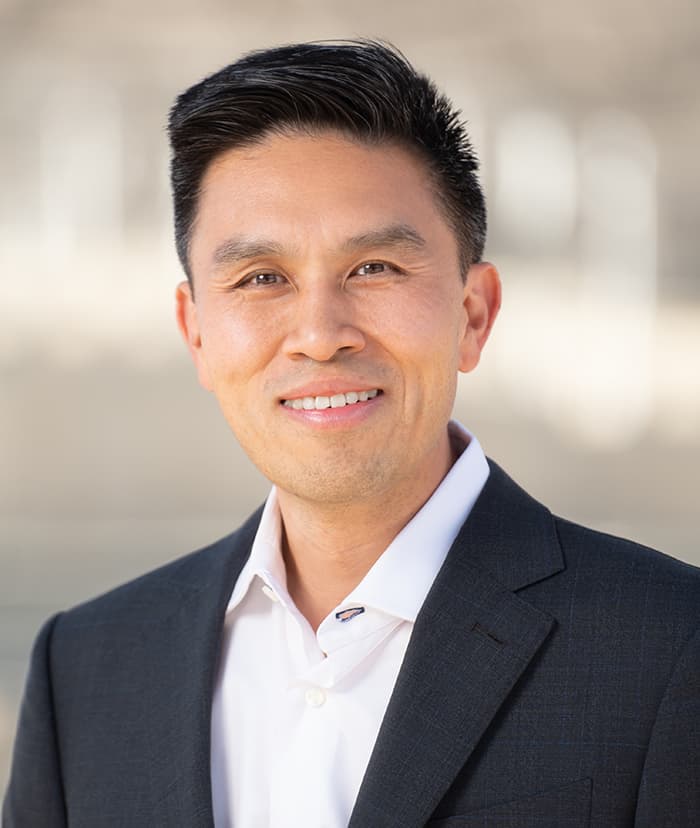
Lanhee J. Chen, PhD, is the David and Diane Steffy Fellow in American Public Policy Studies at the Hoover Institution and cochair of its Healthcare Policy Working Group, At Stanford University, he is also director of Domestic Policy Studies, lecturer in the Public Policy Program, and an affiliated faculty member of the Center on Democracy, Development and the Rule of Law at the Freeman-Spogli Institute for International Studies.
In addition to his academic appointments, Chen is a partner at the Brunswick Group, a global business advisory firm. He is also a presidentially nominated and Senate-confirmed member of the Amtrak Board of Directors and a member and former chair of the Board of Directors at El Camino Health, an integrated health system in Northern California.
Chen’s writings have appeared in a variety of outlets, including The Wall Street Journal, The New York Times, and The Washington Post, and he is a contributing writer to the Opinion page at the Los Angeles Times. He is also an NBC News contributor and appears frequently on the network’s flagship public affairs program, Meet the Press.
A veteran of several high-profile political campaigns, Chen has worked in politics and government as well as business and academia. As a candidate for California State Controller in 2022, he was the strongest-performing statewide Republican and won endorsements from every major newspaper in the state. He also advised numerous major campaigns, including four presidential efforts.
In 2012, he was policy director of the Romney-Ryan campaign, serving as Governor Mitt Romney’s chief policy adviser, a senior strategist on the campaign, and the person responsible for developing the campaign’s domestic and foreign policy. During the 2014 and 2018 campaign cycles, Chen served as a senior adviser on policy to the National Republican Senatorial Committee.
From 2014 to 2018, Chen served as a presidentially appointed and Senate-confirmed member of the Social Security Advisory Board, an independent, bipartisan panel that advises the president, Congress, and the commissioner of Social Security on matters related to the Social Security and Supplemental Security Income programs. He also served in the George W. Bush administration as a senior official at the US Department of Health and Human Services.
Chen was honored in 2015 as one of the Politico 50, a list of the “thinkers, doers, and visionaries transforming American politics.” He earned a similar honor in 2012 when he was named one of Politico’s “50 Politicos to Watch.”
In 2017, Chen was the William E. Simon Visiting Professor in the School of Public Policy at Pepperdine University. At Stanford, he was previously a lecturer in law at Stanford Law School. An eight-time winner of Harvard University’s Certificate of Distinction in Teaching, Chen has produced scholarship that has appeared or been cited in several of the nation’s top political science journals.
Chen formerly practiced law at Gibson, Dunn & Crutcher LLP and was the Winnie Neubauer Visiting Fellow in Health Policy Studies at the Heritage Foundation. He was also an operating partner and strategic advisor at NewRoad Capital Partners, a private equity fund.
Chen serves in a variety of leadership and advisory roles in nonprofit organizations. He is a director of the Foundation for Research on Equal Opportunity; cochair of the Policy Advisory Board for Free the Facts, a policy education organization; a member of the Board of Directors of the Winston Health Policy Fellowship; a member of the external advisory committee for the AAMC (Association of American Medical Colleges) Research and Action Institute; and a member of the Council of Scholars for the Better Medicare Alliance. He is also a member of the Committee of 100, an organization of prominent Chinese Americans.
Chen earned his PhD and AM in political science from Harvard University, his JD cum laude from Harvard Law School, and his AB magna cum laude in government from Harvard College. He is a member of the State Bar of California.
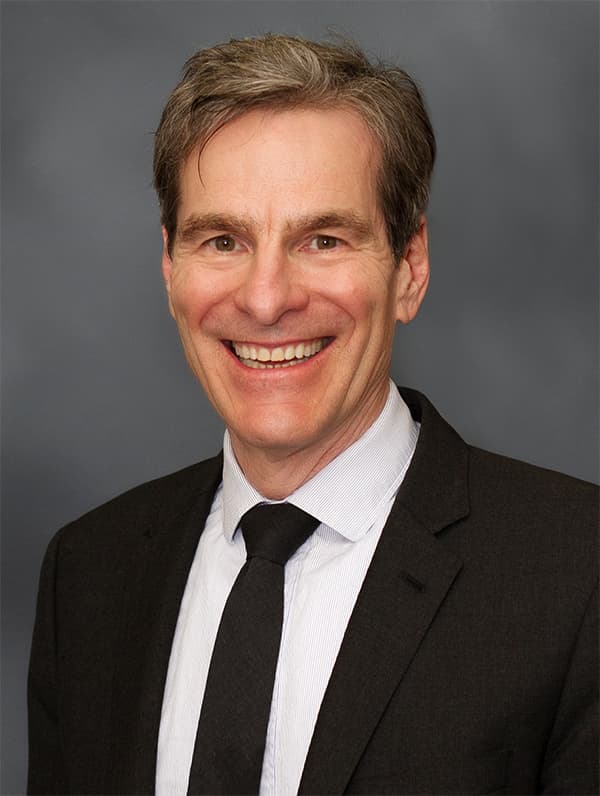
Jacquelyn Schneider is the Hargrove Hoover Fellow at the Hoover Institution, the Director of the Hoover Wargaming and Crisis Simulation Initiative, and an affiliate with Stanford's Center for International Security and Cooperation. Her research focuses on the intersection of technology, national security, and political psychology with a special interest in cybersecurity, autonomous technologies, wargames, and Northeast Asia. She was previously an Assistant Professor at the Naval War College as well as a senior policy advisor to the Cyberspace Solarium Commission.
Her scholarly work appears in a series of journals including International Organization, European Journal of International Relations, Security Studies, Journal of Conflict Resolution, Strategic Studies Quarterly, Journal of Cybersecurity, The Washington Quarterly, Journal of Strategic Studies, Journal of Global Security Studies, Simulation and Gaming, AI & Society, PloS One and is featured in a series of books including Cross Domain Deterrence: Strategy in an Era of Complexity (Oxford University Press, 2019). In addition to her scholarly publications, she is a frequent contributor to policy outlets, including New York Times, Wall Street Journal, Financial Times, Foreign Affairs, CNN, NPR, BBC, MSNBC, CFR, Wired, Cipher Brief, Lawfare, War on the Rocks, Washington Post, Bulletin of the Atomic Scientists, National Interest, H-Diplo, and the Center for a New American Security.
Dr. Schneider was a 2020 winner of the Perry World House-Foreign Affairs Emerging Scholars Policy Prize. She is also the recipient of a Minerva grant on autonomy (with co-PIs Michael Horowitz, Julia Macdonald, and Allen Dafoe), a University of Denver grant to study public responses to the use of drones (with Macdonald), and a grant from the Stanton Foundation to study networks, cyber, and nuclear stability through wargames.
Dr. Schneider is an active member of the defense policy community with previous positions at the Center for a New American Security and the RAND Corporation. Before beginning her academic career, she spent six years as an Air Force officer in South Korea and Japan and is currently a reservist assigned to US Space Systems Command. She has a BA from Columbia University, MA from Arizona State University, and PhD from George Washington University.
John H. Cochrane is the Rose-Marie and Jack Anderson Senior Fellow of the Hoover Institution at Stanford University.
His monetary economics publications include the books The Fiscal Theory of the Price Level, Crisis Cycle: Challenges Evolution and Future of the Euro (with Luis Garicano and Klaus Masuch) and articles on monetary policy and inflation. His finance publications include the book Asset Pricing and articles on dynamics in stock, bond, and foreign exchange markets and their links to economic fluctuations. He has also written articles on macroeconomics, health insurance, time-series econometrics, financial regulation, and other topics. He was a coauthor of The Squam Lake Report. He writes occasional Op-eds, mostly in the Wall Street Journal, and authors the “Grumpy Economist” Substack. He recently created the Coursera online course “Asset Pricing.”
Cochrane is also a Senior Fellow of the Stanford Institute for Economic Policy Research (SIEPR), Professor of Finance and Economics (by Courtesy) at Stanford GSB, a Research Associate of the National Bureau of Economic Research, and an Adjunct Scholar of the CATO Institute. He is a past President and Fellow of the American Finance Association, and a Fellow of the Econometric Society. He has been an Editor of the Journal of Political Economy, and associate editor of several journals including the Journal of Monetary Economics, Journal of Business, and Journal of Economic Dynamics and Control. He was a director of the NBER asset pricing program. Awards include the Bradley Prize, the APEE Adam Smith award, the TIAA-CREF Institute Paul A. Samuelson Award for Asset Pricing, the Chookaszian Endowed Risk Management Prize, the Faculty Excellence Award for MBA teaching and the McKinsey Award for Outstanding Teaching.
Before coming to Hoover, Cochrane was the AQR Capital Management Distinguished Service Professor of Finance at the University of Chicago Booth School of Business, where he taught the MBA class “Advanced Investments” and a variety of PhD classes in Asset Pricing and Monetary Economics. Cochrane earned a Bachelor’s degree in Physics at MIT, and earned his Ph.D. in Economics at the University of California at Berkeley. He was at the Economics Department of the University of Chicago before joining the Booth School in 1994, and visited UCLA Anderson School of Management in 2000-2001.
Outside of academic pursuits Cochrane is a competition sailplane pilot, and enjoys cycling, windsurfing, skiing, and other outdoor activities.
Scott W. Atlas, MD is the Robert Wesson Senior Fellow in Scientific Philosophy & Public Policy at the Hoover Institution of Stanford University.
Dr. Atlas investigates the role of government and the private sector in health care quality and access, global trends in health care innovation, and the key economic and civil liberty issues related to health policy. He is a frequent policy advisor to policymakers and government officials in the United States and in other countries. He has served as senior advisor for health policy to several candidates for President, as well as having counselled members of the US Congress on health care, testified before Congress, and briefed directors of key federal agencies. From July to December, 2020, he served as a Special Advisor to the President and a member of the White House Coronavirus Task Force.
Before his appointment at Hoover Institution, he was Professor and Chief of Neuroradiology at Stanford University Medical Center for 14 years. His publications and interviews have appeared worldwide. Dr. Atlas is the author of numerous books, including A Plague Upon Our House: My Fight at the Trump White House to Stop COVID from Destroying America (Post Hill Press), In Excellent Health: Setting the Record Straight on America’s Health Care System (Hoover Press), and Restoring Quality Health Care: A Six‐Point Plan for Comprehensive Reform at Lower Cost (Hoover Press). He is also the editor of "Magnetic Resonance Imaging of the Brain and Spine" – the leading textbook in the field, translated into several languages, and now in its 5th edition.
Dr. Atlas has received many awards and accolades from leading institutions and societies all over the world in recognition of his leadership in policy and medicine. He was awarded the 2022 Encounter Prize for Advancing American Ideals, explained as follows: “Standing up to injustice and facing down the madding crowd of conformity requires enormous patience, equilibrium, insight, and courage—the most important virtue, Aristotle observed, because without it none of the other virtues can flourish. The Encounter Prize for Advancing American Ideals pays tribute to individuals who effectively embody this rare combination of virtues in their lives and work.” He also received the 2021 Freedom Leadership Award, Hillsdale College’s highest honor, “in recognition of his dedication to individual freedom and the free society,” the 2021 Conservative Partnership Institute Freedom Fighter of the Year Award, CPI’s highest honor, "bestowed upon an individual for their courage and dedication to truth and liberty" and the 2011 Alumni Achievement Award, the highest career achievement honor for a distinguished alumnus from the University of Illinois in Urbana‐Champaign. In the private sector, Atlas is a frequent advisor to start-up entrepreneurs and companies in life sciences and medical technology. He received his MD degree from the University of Chicago School of Medicine.
David R. Henderson is a research fellow with the Hoover Institution. He is also a professor of economics at the Naval Postgraduate School in Monterey, California.
Henderson's writing focuses on public policy. His specialty is in making economic issues and analyses clear and interesting to general audiences. Two themes emerge from his writing: (1) that the unintended consequences of government regulation and spending are usually worse than the problems they are supposed to solve and (2) that freedom and free markets work to solve people's problems.
David Henderson is the editor of The Concise Encyclopedia of Economics (Warner Books, 2007), a book that communicates to a general audience what and how economists think. The Wall Street Journal commented, "His brainchild is a tribute to the power of the short, declarative sentence." The encyclopedia went through three printings and was translated into Spanish and Portuguese. It is now online at the Library of Economics and Liberty. He coauthored Making Great Decisions in Business and Life (2006). Henderson's book, The Joy of Freedom: An Economist's Odyssey (Financial Times Prentice Hall, 2001), has been translated into Russian. Henderson also writes frequently for the Wall Street Journal and Fortune and, from 1997 to 2000, was a monthly columnist with Red Herring, an information technology magazine. He currently serves as an adviser to LifeSharers, a nonprofit network of organ and tissue donors.
Henderson has been on the faculty of the Naval Postgraduate School since 1984 and a research fellow with Hoover since 1990. He was the John M. Olin Visiting Professor with the Center for the Study of American Business at Washington University in St. Louis in 1994; a senior economist for energy and health policy with the President's Council of Economic Advisers from 1982 to 1984; a visiting professor at the University of Santa Clara from 1980 to 1981; a senior policy analyst with the Cato Institute from 1979 to 1980; and an assistant professor at the University of Rochester's Graduate School of Management from 1975 to 1979.
In 1997, he received the Rear Admiral John Jay Schieffelin Award for excellence in teaching from the Naval Postgraduate School. In 1984, he won the Mencken Award for best investigative journalism article for his Fortune article "The Myth of MITI."
Henderson has written for the New York Times, Barron's, Fortune, the Los Angeles Times, the Chicago Tribune, Public Interest, the Christian Science Monitor, National Review, the New York Daily News, the Dallas Morning News, and Reason. He has also written scholarly articles for the Journal of Policy Analysis and Management, the Journal of Monetary Economics, Cato Journal, Regulation, Contemporary Policy Issues, and Energy Journal.
Henderson has spoken before a wide variety of audiences, including the American Farm Bureau Federation, the Chicago Council on Foreign Relations, the St. Louis Discussion Club, the Commonwealth Club of California (National Defense and Business Economics Section), the Cato Institute, and the Heritage Foundation. He has also spoken to economists and general audiences at many universities around the country, including Carnegie-Mellon, Brown, the University of California, Berkeley, the University of California, Davis, the University of Rochester, the University of Chicago, Harvard University's John F. Kennedy School, and the Hoover Institution. He has given papers at annual conferences held by the American Economics Association, the Western Economics Association, and the Association of Public Policy and Management. He has testified before the House Ways and Means Committee, the Senate Armed Services Committee, and the Senate Committee on Labor and Human Resources. He has also appeared on the O'Reilly Factor (Fox News), C-SPAN, CNN, the Newshour with Jim Lehrer, CNBC Squawk Box, MSNBC, BBC, CBC, the Fox News Channel, RT, and regional talk shows.
Born and raised in Canada, Henderson earned his bachelor of science degree in mathematics from the University of Winnipeg in 1970 and his Ph.D. in economics from the University of California, Los Angeles, in 1976.
H.R. McMaster is the Fouad and Michelle Ajami Senior Fellow at the Hoover Institution. At Stanford, he is also the Bernard and Susan Liautaud Fellow at the Freeman Spogli Institute and lecturer at the Graduate School of Business. McMaster was assistant to the US president for national security affairs and served as a commissioned officer in the US Army for thirty-four years.