Recorded on January 17, 2020.
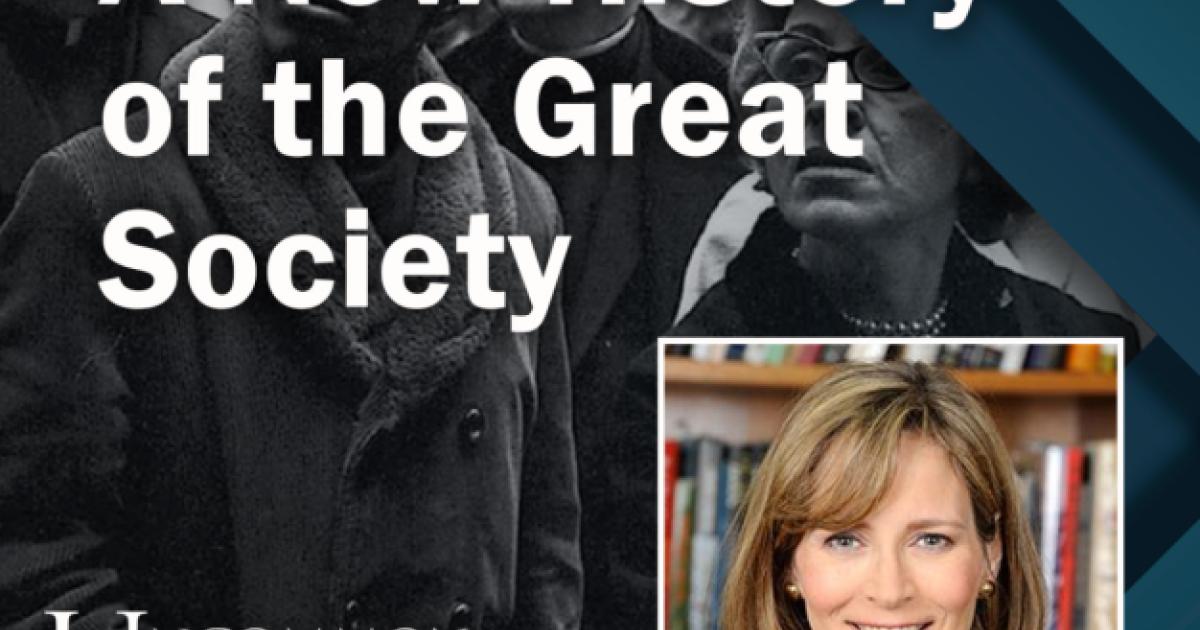
This week on Uncommon Knowledge, a conversation with author and historian Amity Shlaes on her new book, Great Society: A New History. Begun by John F. Kennedy and completed by Lyndon B. Johnson, the Great Society was one of the most sweeping pieces of legislation ever enacted in American history. On its surface, the Great Society was a plan to reduce rural and urban poverty, but at its roots were the socialist and communist movements of the 1930s. Shlaes shares the history of those movements and lays out how they influenced the post–World War II generation of American politicians, including lesser-remembered figures such as Sargent Shriver, Daniel Patrick Moynihan, and Walter Reuther. In addition, the Great Society was a harbinger of many of the policies and ideas that are in vogue today, including Universal Basic Income and Medicare for All. Shlaes also argues that what the Great Society’s marquee policy initiative, the War on Poverty, and the new flood of benefits actually achieved “was the opposite of preventing poverty—they established a new kind of poverty, a permanent sense of downtroddenness.” Shlaes proves that, once again, policies and laws with the best of intentions often have the opposite effect.
To view the transcript of this conversation, click here.