Recorded on August 21, 2019
Call Sign Chaos is Jim Mattis’s memoir of his lifelong journey from marine recruit to four-star general and secretary of defense. It’s also the story of his quest to learn from every experience and pass on those lessons, so that future generations can plan better, lead better, and do and be better, thus creating a safer and more successful United States and world.
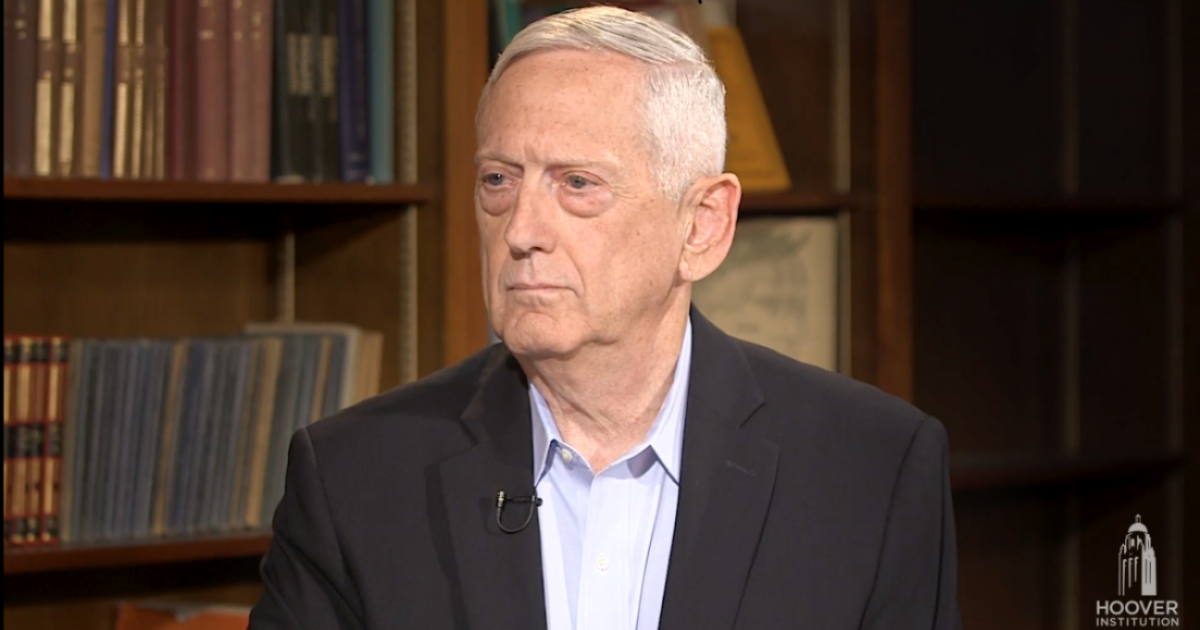
Peter Robinson opens the show by asking General Jim Mattis, former secretary of defense, to explain the word “chaos” from the title of his new book, Call Sign Chaos: Learning to Lead. (“Chaos” is an abbreviation for “Colonel Has Another Outstanding Suggestion.”) Mattis notes that chaos has been a part and parcel of his life growing up, in the marines, and traveling the world.
Mattis further talks about how chaos has been introduced by organizations to disrupt order and keep opponents at the top of their game. But on the battlefield, it is better to introduce chaos early, in order to disrupt enemies’ plans and thus create problems for them and, ultimately, dominate them.
Robinson asks about what led Mattis to join the marines and why he decided to serve so long. Mattis explains his love for the country and the great people he met in the service. The fellow soldiers kept him going and inspired him to jot down lessons he had learned that could help future generations learn to serve and lead in better ways. Mattis notes that it is the very high quality of the people whom he met in the armed services that kept him in the military for his career. Mattis talks about how soldiers are brave, rambunctious, and selfless, and how he would rather have crummy jobs at times and work with great people than have a great job and not work with the outstanding people Mattis encountered in the military.
Additional resources:
To view the transcript of this conversation, click here.