

Articles
Junk History: Seductive, Dangerous
Inadequate or faulty framing of episodes is worse than an academic failing—it can sabotage real-world decisions.
November 2, 2026
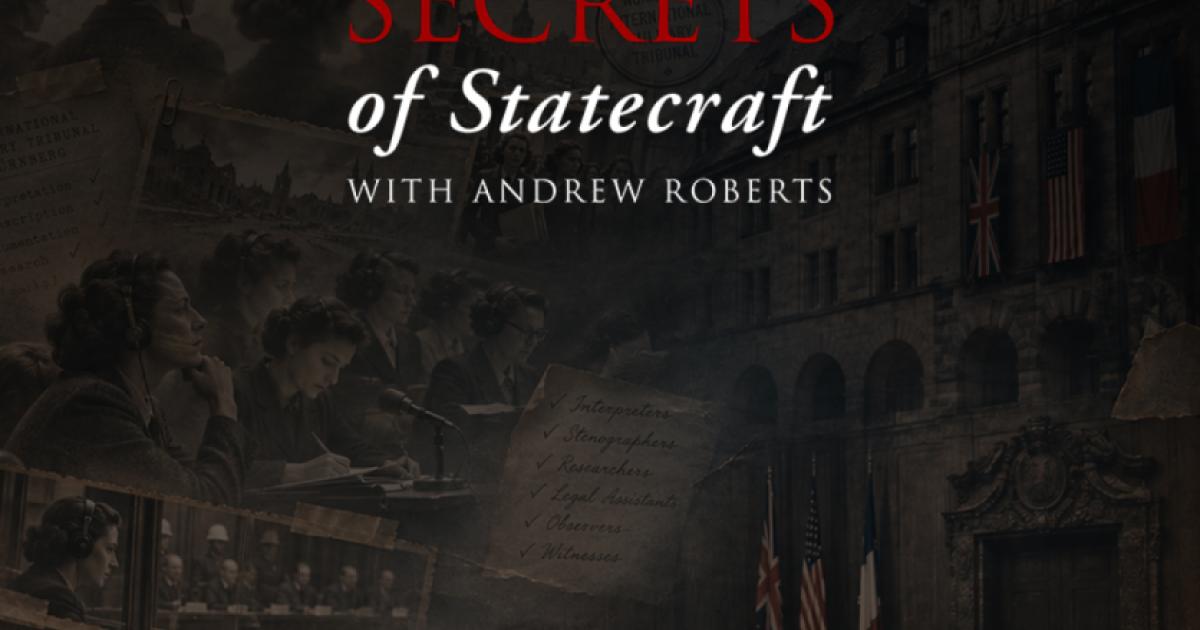
Historian Natalie Livingstone joins Andrew Roberts to uncover the overlooked stories of the women at the Nuremberg trials. From a brilliant American lawyer denied the chance to present her own case to a French Resistance survivor whose testimony confronted Nazi atrocities, these women helped shape the pursuit of justice. Drawing on her book The Nuremberg Women: The Untold Story of the Eight Women Who Brought the Nazis to Justice and her own family’s Holocaust history, Livingstone explores courage, complicity, and unexpected moments of hope—and why Nuremberg’s commitment to evidence and truth still matters today.
Articles
Inadequate or faulty framing of episodes is worse than an academic failing—it can sabotage real-world decisions.
November 2, 2026
Articles
Any such topic is an invitation to generalize rather than think. While generalizations have their (limited) place in analysis, they are at least as likely to mislead as to enlighten us. Historical case studies do not provide universal answers; rather, it’s the details—the complexities—that frustrate our efforts to hasten victory.
November 3, 2026
Articles
Serious damage to civilian infrastructure did not feature prominently in warfare until the development of the bomb-carrying aircraft following World War I, which enabled adversaries to strike each other’s cities from long distances. During the 1920s and 1930s, leading air power theorists like Giulio Douhet and Billy Mitchell predicted that bombing cities would bring nations to their knees without the need for ground combat. By destroying military installations, civilian infrastructure, industry, and residential areas, bombing would break the will of the entire nation. If the government did not capitulate on its own, the citizenry would rise up and compel the government to end to the war.
November 3, 2026