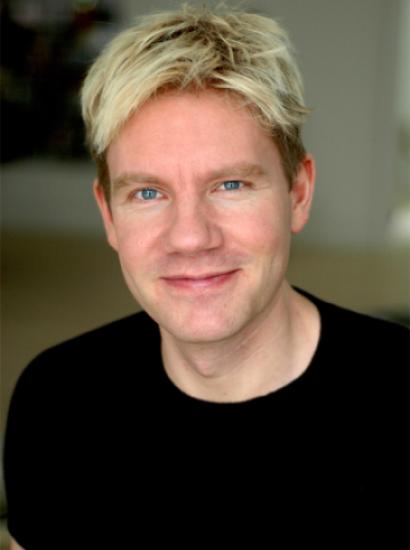
This week, a conversation with Bjorn Lomborg, a visiting fellow at the Hoover Institution, the president of the Copenhagen Consensus Center, and one of the foremost climate experts in the world today. His new book, False Alarm: How Climate Change Panic Costs Us Trillions, Hurts the Poor, and Fails to Fix the Planet, is an argument for treating climate as a serious problem but not an extinction-level event requiring such severe and drastic steps as rewiring a large part of the culture and the economy. Bjorn responds directly to some of the most vociferous climate policy critics, including Greta Thunberg, author David Wallace-Wells (The Uninhabitable Earth: Life after Warming), and proponents of the Green New Deal. We also discuss some promising emerging technologies and why worst-case scenarios are often just that—scenarios that are used to motivate the public into action but are not in fact likely to occur. It’s a sobering and even-handed discussion on climate that does not include apocalyptic endings for the planet.
Recorded on July 24, 2020
To view the transcript of this conversation, click here.