
Articles
Seven Policies To Reduce Medicare Spending And Shrink The Federal Deficit
We asked Medicare policy experts to write up proposals that save taxpayers ~$100 billion over ten years. Here’s what they came up with.
October 20, 2026
Published June 21, 2022
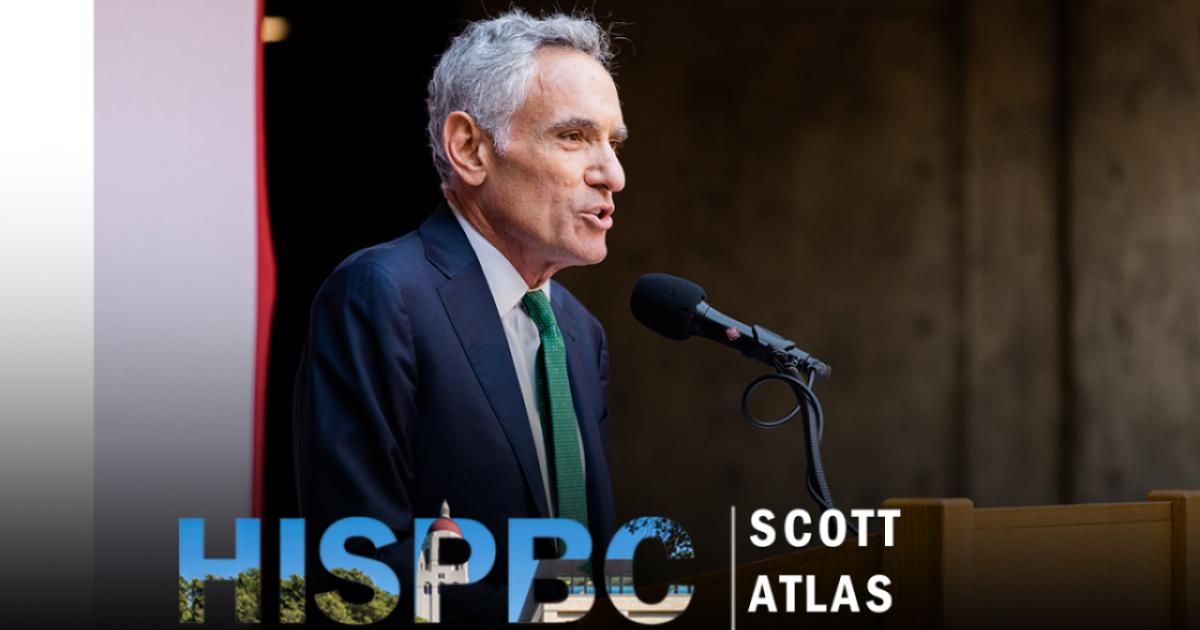
How effective are masks at blocking transmission of COVID-19? How does “masking” in real life differ from “masks” in the aggregate? Are there costs to widespread mask mandates? Atlas considers these questions and summarizes the data from early in the pandemic.
Discussion Questions:
Additional Resources:
Articles
We asked Medicare policy experts to write up proposals that save taxpayers ~$100 billion over ten years. Here’s what they came up with.
October 20, 2026
Traditional Medicare’s cost-sharing structure has not changed since 1965. Beneficiaries face separate Part A and Part B deductibles, per-day hospital copays, no coinsurance on certain services, and no annual out-of-pocket cap. This brief lays out reform templates proposed by the Simpson-Bowles Commission, the Congressional Budget Office, and others, compares a decade of budget scores, and analyzes a pending Senate bill that would add a spending cap without the offsetting cost-saving reforms.
October 20, 2026
The federal 340B drug pricing program lets hospitals buy outpatient drugs at steep discounts and keep the difference when insurers pay full price. It requires no proof that the savings reach low-income patients. The program rewards costlier drugs, drives hospital acquisitions of independent physician practices, and pushes clinics into wealthier neighborhoods. This brief proposes ending 340B discounts for hospitals and replacing them with a patient-centered fund financed by drug manufacturers.
October 20, 2026