Videos
The Counter Revolution: Victor Davis Hanson On The Fall And Rise Of Trump
How did Donald Trump go from political defeat and the aftermath of January 6 to a second term in the White House?
October 19, 2026
Published April 16, 2026
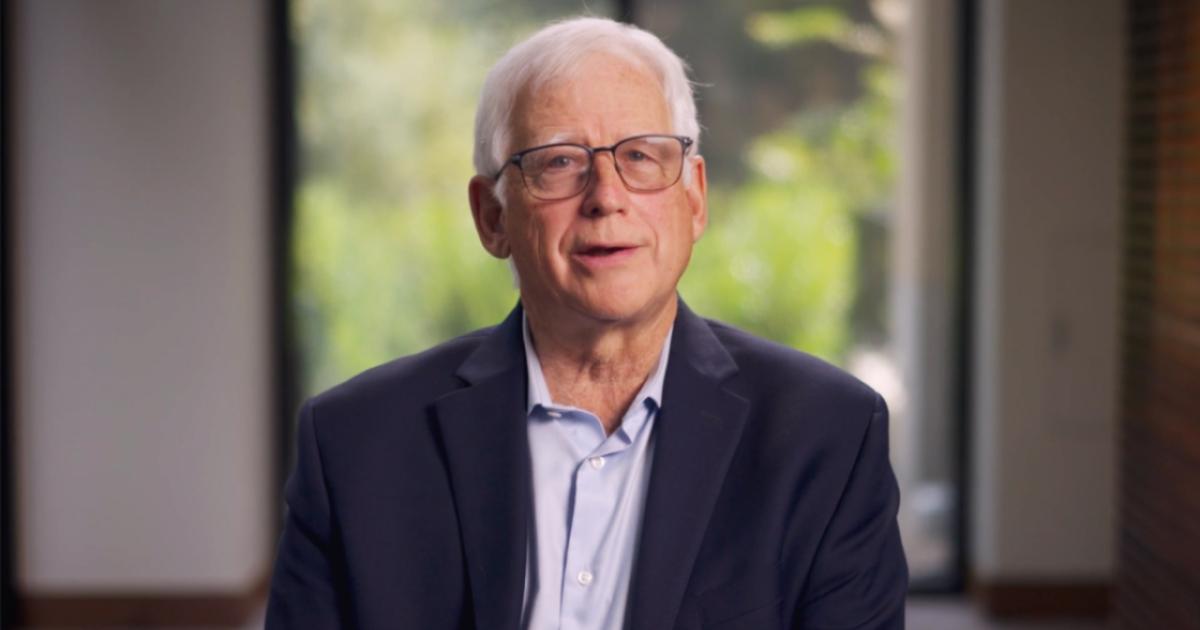
Rent control is presented as a way to make housing more affordable, but it does the opposite. By holding rents below market levels, it reduces supply, discourages maintenance, and weakens incentives for new construction. The result is fewer available units, lower housing quality, and a market that works less well for those trying to enter it. Its political durability is part of the problem. Rent control protects incumbent tenants while outsiders face a tighter supply, lower vacancy rates, and a harder search. By contrast, gasoline price controls in the 1970s were easier to repeal because the costs were visible and broadly shared. Rent control persists because its benefits are concentrated among those already inside the system, while the costs fall on those still trying to get in.
Learn more from David R. Henderson:
Learn more about David R. Henderson here.
__________
The opinions expressed in this video are those of the authors and do not necessarily reflect the opinions of the Hoover Institution or Stanford University.
© 2026 by the Board of Trustees of Leland Stanford Junior University.
Videos
How did Donald Trump go from political defeat and the aftermath of January 6 to a second term in the White House?
October 19, 2026
Videos
Valerie Ramey discusses how Hall’s “New Keynesianism” school of thought impacts modern economic scholarship and its utilization in practical terms, as well as her working relationship with the future laureate, dating back to her graduate-school days, when she served as Hall’s research assistant on matters like the flat tax.
October 16, 2026
Videos
From politics and economics to journalism and culture, leading voices reflect on how Thomas Sowell’s ideas shaped their thinking and continue to inspire new generations.
October 15, 2026