Articles
Job Loss Fears in the First Years of Generative Artificial Intelligence
Economics Working Paper 26125
August 31, 2026
Published: September 20, 2017
The United States faces a fiscal challenge unlike any in its history, driven entirely by spending on federal entitlement programs. The country is currently borrowing half a trillion dollars a year and is on pace to borrow a trillion dollars every year. Unless entitlement spending is restrained, every American will face higher taxes and lower standards of living.
Discussion Questions
Additional Resources

John F. Cogan
The United States’ budget faces a fiscal challenge unlike any in its history.
In just over a decade, all federal tax revenue will be spent on entitlements and payments against the federal debt, leaving nothing for defense or discretionary spending like infrastructure projects.
We are currently spending half a trillion dollars a year we don’t have, and in ten years, we’ll be adding a trillion dollars of new debt each year.
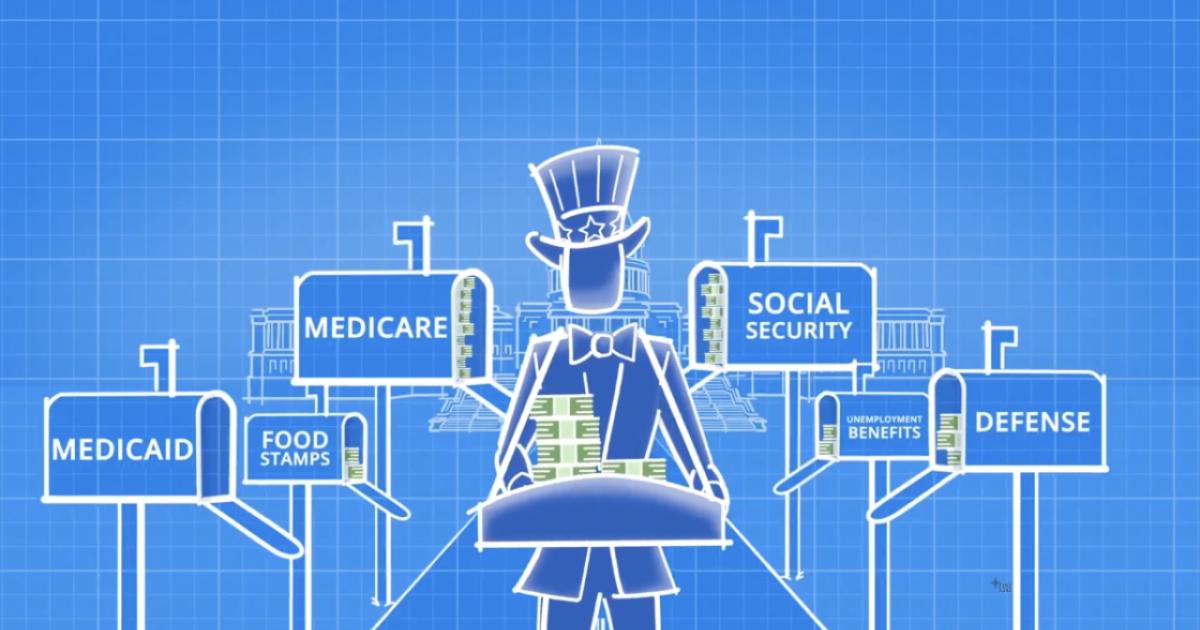
This growth in spending comes entirely from entitlements like Social Security, Medicare, and Medicaid.
Entitlements began as a way to prevent old-age poverty, but in recent decades, benefits have increasingly gone to the well-off elderly and to individuals not in poverty.
If we’re going to be able to afford our current safety net, we have to begin a slow reduction in entitlement benefits and tighten eligibility restrictions to limit help to only those who need it.
Most of our efforts should focus on reforming Social Security and Medicare to make them fiscally sound and sustainable long into the future.
Small changes to Social Security, like maintaining today’s initial benefits levels and slowly raising the retirement age to keep up with increases in longevity, would go a long way.
Medicare can restrict some cost growth by changing its incentives back to one of a true insurance program that offers greater financial protection against the high cost of catastrophic illness or care.
And while entitlement reform is both necessary and difficult, it will not be sufficient to fix the government’s spending problem without also returning to robust economic growth.
Articles
Economics Working Paper 26125
August 31, 2026
Articles
Economics Working Paper 26120
January 10, 2026
Articles
Economics Working Paper 26121
April 19, 2026