Published July 27, 2020

Though many believe socialized medicine will keep health care costs low, single-payer systems rarely deliver on their promises. Compare, for example, the availability of new cancer drugs in America with that in European countries with single-payer health care. Free markets have fewer restrictions than socialized medicine does, leading to more rapid adoption and better health outcomes.

Discussion Questions:

  1. What does single-payer health care promise? What does it deliver?
  2. How can we improve health care coverage without moving to a single-payer system?

Additional Resources:

  • Read “The Costs of Regulation and Centralization in Health Care” by Scott Atlas. Available here.
  • Read “The Fraud of Single-Payer Health Care” by Scott Atlas via the Washington Times. Available here.
  • Read “Single-Payer Health Care,” a Policy Insights edition on PolicyEd. Available here.

Cast

Scott W. Atlas

Scott W. Atlas

Socialist countries centralize the payment and delivery of goods and services. In health care, the model of centralization is a single-payer system.

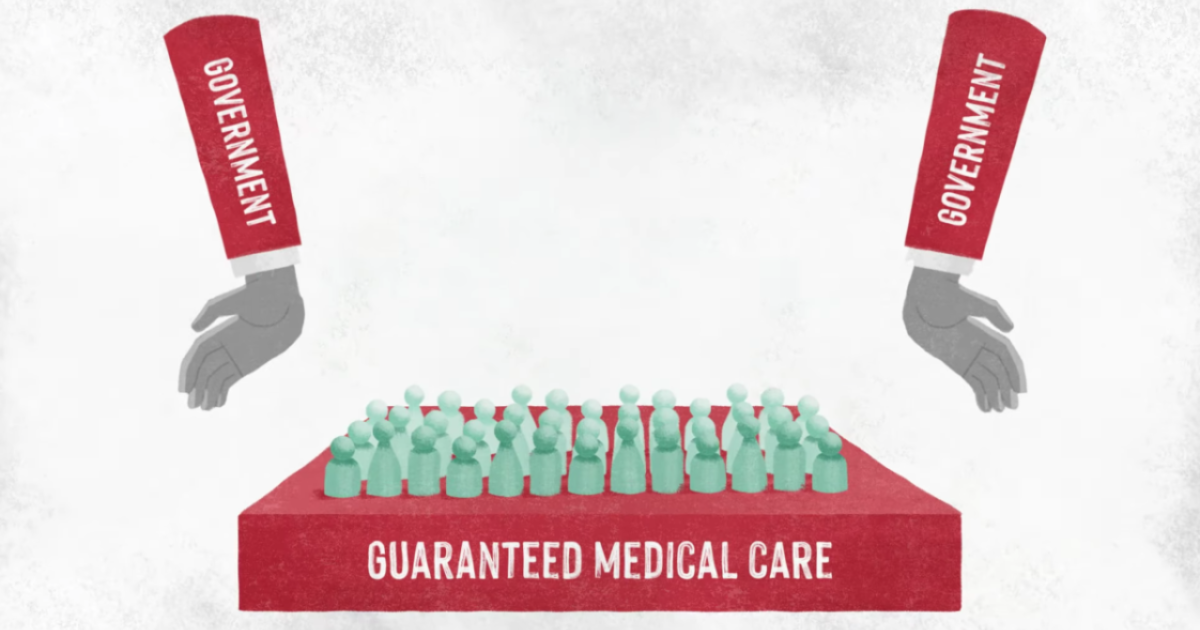
Support for single-payer healthcare is driven by a simple concept: The government “guarantees” medical care for everyone, while using its size and purchasing power to keep costs low.

But in practice it turns out that single‐payer systems are making a false promise – medical care is overtly restricted for everyone except those who can afford to go outside the system. To contain costs, single-payer systems limit the availability of doctors, treatments, medications, and technology. The result is the ultimate cost imposed on societies that use single-payer health care - worse outcomes from diseases, more deaths, and more disability.

One specific example is the limited availability of life-saving cancer drugs in single-payer systems. Time is of the essence with cancer, because earlier access to new treatments saves lives.

Of the world’s fifty-four new cancer drugs launched from 2013 to 2017, 94 percent were available in the United States after two years compared to 70 percent in the United Kingdom, 53 percent in Canada, and only 43 percent in France.

Cancer drugs are far more likely to be developed and first become available in the United States than in countries with single-payer systems. It is no surprise that the US, with its freer markets, has the world’s best outcomes from cancer.

This overt restriction of care is also seen in delaying access to important surgeries, restricting diagnostic technology, and limiting the number of critical care beds and services.

The overall costs to society of single-payer health care are enormous - far beyond the taxes required to support such a system.

Related

Articles

The Rich World’s Climate Distraction

The World Bank and other institutions lose their focus on the best ways to help the poor.

September 1, 2026

Videos

The Fiscal Outlook And Housing Affordability

Richmond Fed president and CEO Tom Barkin joins Steve to discuss Kevin Warsh’s keynote speech at the Jackson Hole Economic Policy Symposium.

September 4, 2026

Videos

Crypto, Housing, And Banking Regulation With Rep French Hill

House Financial Services Committee chair French Hill joins Jon Hartley to discuss housing supply in the United States, crypto rules, securities reform, and expanding access to capital.

September 1, 2026