


Published: December 1, 2016

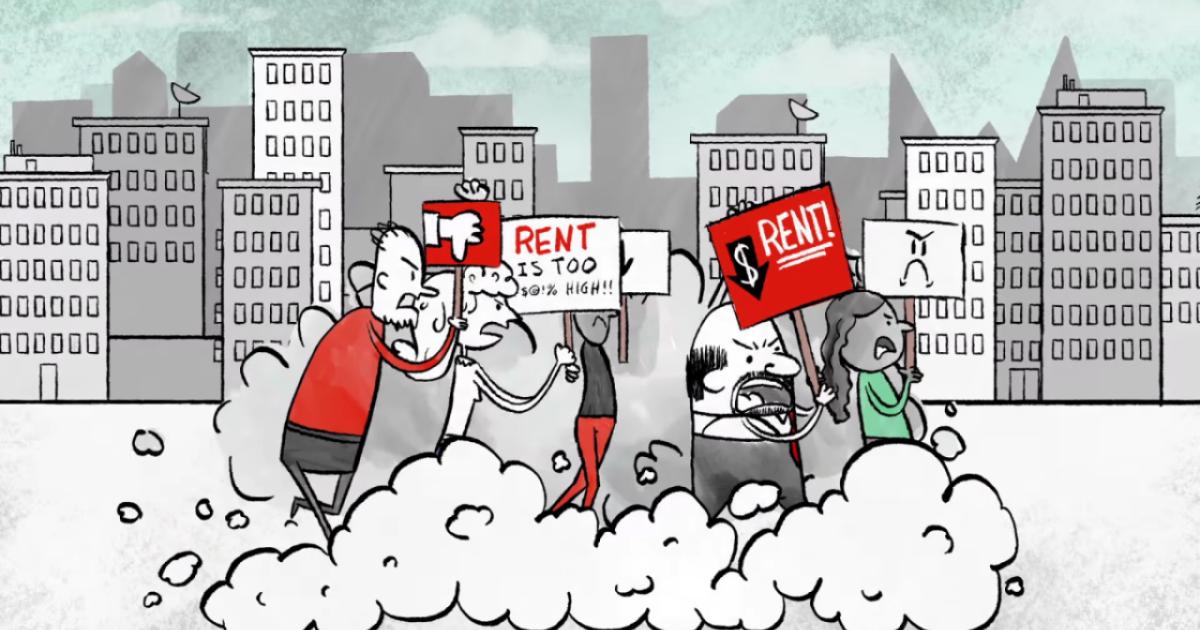
Housing prices have increased in many parts of the country. What can policy makers do to make housing more affordable? And what happens when their good intentions go awry? Rent control increases demand for controlled-units, but discourages landlords from expanding or entering the rental market, which decreases the supply of rental housing.

Discussion Question

  1. Who do you think benefits the most from rent control and why?

Cast

Thomas Sowell

Thomas Sowell

Richard A. Epstein

Richard A. Epstein

Milton Friedman

Milton Friedman

Carson Bruno

Carson Bruno

Whenever rental prices are considered unaffordable, many see rent control as the answer to make housing more attainable.

Rent control is a system where the government restricts how much a landlord can increase rent. And the thinking goes, if the government has the ability to regulate rental prices, shouldn't they? Well, maybe not.

The problem with rent control is that it ultimately manipulates supply and demand, and ends up creating a self-destructive chain reaction in the rental market. Whenever the government caps rental prices, demand skyrockets. After all, artificially low prices attract more renters, so the newly rent-controlled units get snatched up quickly.

Where the problem begins is that by restrictring rental prices, landlords inevitablly decide it isn't financially feasible to rent units under rent control. Because of this, many landlords will convert their rental units into sellable condos, and other landlords will stop building new rental properties. This causes the rental supply to actually decline, and apartments that ARE NOT rent controlled become even more expensive. Which was the problem in the first place.

Basically, the only people who benefit from rent control are the lucky few who get in early, and stay in. And because landlords have no incentive to improve or even maintain rent controlled units, the lucky few may not be lucky for very long.

At the end of the day, rent control is a band-aid that only temporarily addresses the symptoms of the problem – and only for a small number of people. But it fails to address the root of the high-cost problem - a lack of supply - and ultimately makes the problem worse by increasing the demand.

Related

Articles

Job Loss Fears in the First Years of Generative Artificial Intelligence

Economics Working Paper 26125

August 31, 2026

Articles

Central Bank Independence

Economics Working Paper 26120

January 10, 2026

Articles

Inflation Dynamics with a Generalized Lucas Phillips Curve

Economics Working Paper 26121

April 19, 2026