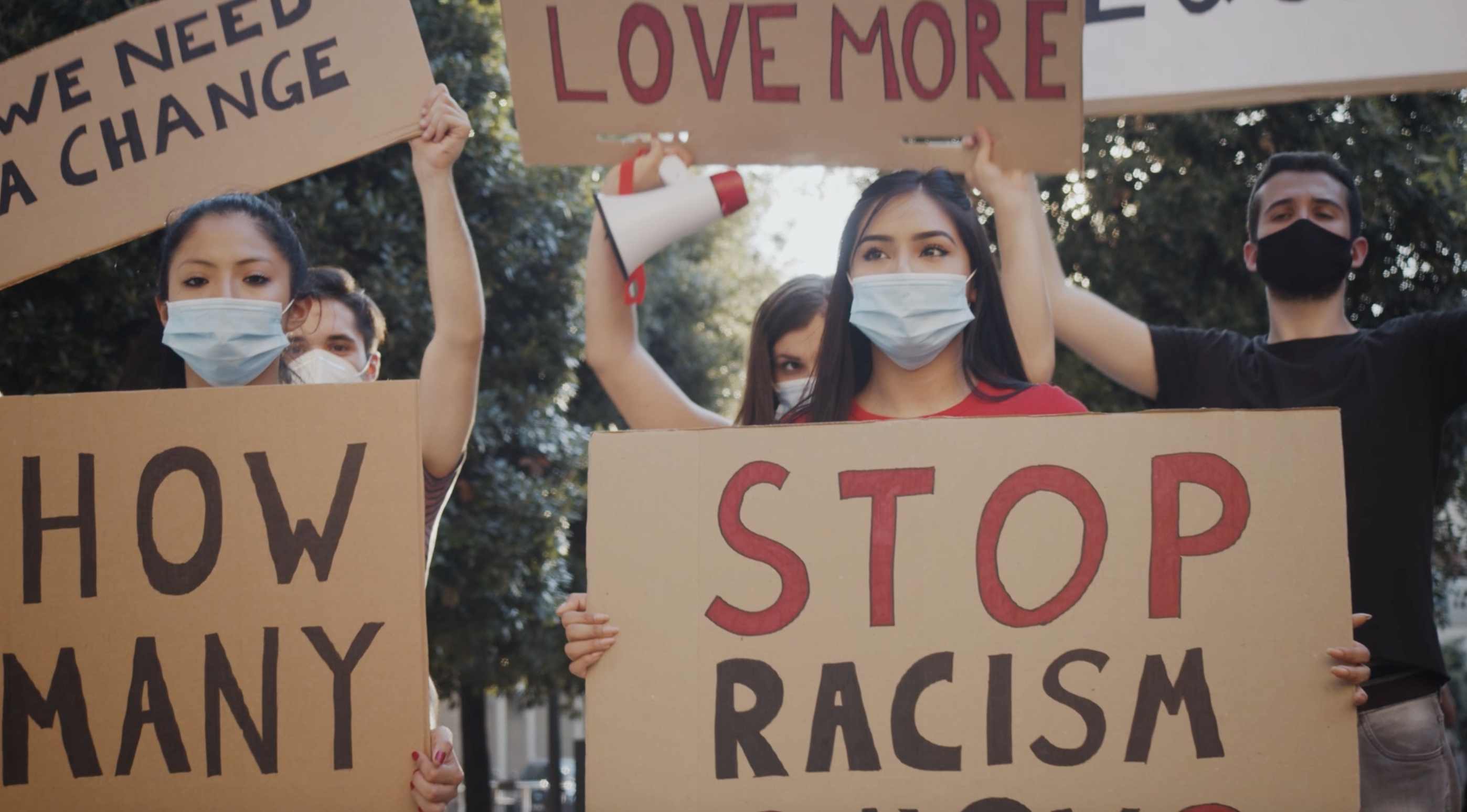
Almost every day some commentator declares that western democracy is in crisis. But our times are not unique--we don’t have to look back very far for similar pessimistic pronouncements.
The 1960s and 70s, for example, were tumultuous decades. The sixties saw political assassinations, major urban riots and domestic bombings. The 1970s saw an unsatisfactory ending to the Vietnam War, energy crises, and the arrival of stagflation.
In 1975, a Trilateral Commission report titled “The Crisis of Democracy” identified four reasons for the crisis of civil society in that era.
First was a growing delegitimization of authority. Increasingly, citizens believed political leaders favored special interests over the broader public. Second was a dramatic increase in the demands on government. Special interest groups devoted to particular causes each demanded government respond to their demands. Third, the political parties seemed incapable of enacting policies that might have met the problems of the day. Finally, after decades of increased international engagement, skepticism of internationalism became more common.
Today, these same destabilizing factors are operating.
The Great Recession, two decades of war in the Middle East and now the Covid-19 pandemic have eroded confidence in the expertise of leaders and institutions—public and private.
Meanwhile the Internet has dramatically increased the number of distinct interests that demand government action. Social media has made the task of organizing easier and virtually costless. Interests that were unimaginable two decades ago now are represented by numerous groups.
The demands these groups place on governments are overwhelming. Governments today are expected not only to provide peace and prosperity, but to attain social justice and to right all wrongs. And there seems to be no end to the discovery of new wrongs.
The capacity of the parties to govern has weakened further. Although voting patterns have become increasingly partisan, in elections since 2000 only 60 percent of Americans say they are Democrats or Republicans, compared to three quarters in the Eisenhower era. Today both parties are minority parties.
Finally, there’s a move away from international engagement. Many voters see costly wars with no obvious national gains, unfair trade deals, regional decline, and uncontrolled immigration, all of which contribute to popular desires to emphasize “us” and deemphasize “them.”
But western democracies survived the earlier crisis; how did they overcome the crisis of democracy in the 60s and 70s?
The short answer is that decisive elections set the democracies on new paths. In the US, Ronald Reagan won a clear victory, then acted decisively to meet the problems of the day and stayed the course when his policies did not have an immediate positive impact. In the end, voters ultimately rendered a favorable verdict on his performance. Margaret Thatcher followed a similar path with similar results in the UK, as did Francoise Mitterand in France.
Had their policies not been appropriate for the time, their parties would have lost the next election and the crisis would have continued.
Today, we’re waiting for a modern-day Reagan or Thatcher to construct an enduring electoral majority. A majority that unites the distinct and myriad interests of a wide swath of the public. Until then, I’m afraid, today’s problems of democratic governance will continue.