
Articles
Who Needs The Bomb?
The Purpose of Nuclear Deterrence.
October 20, 2026
Published August 3, 2026
The postwar international order rested on American economic strength, military power, and a network of institutions and alliances designed for the Cold War. As new threats emerged and global power shifted, the assumptions guiding US foreign policy became increasingly contested, while interventions abroad and political divisions at home weakened public confidence in the prevailing approach. By 2016, Donald Trump’s campaign was advancing a different framework to alliances, sovereignty, and America’s role in the world.
Check out more on the topic:
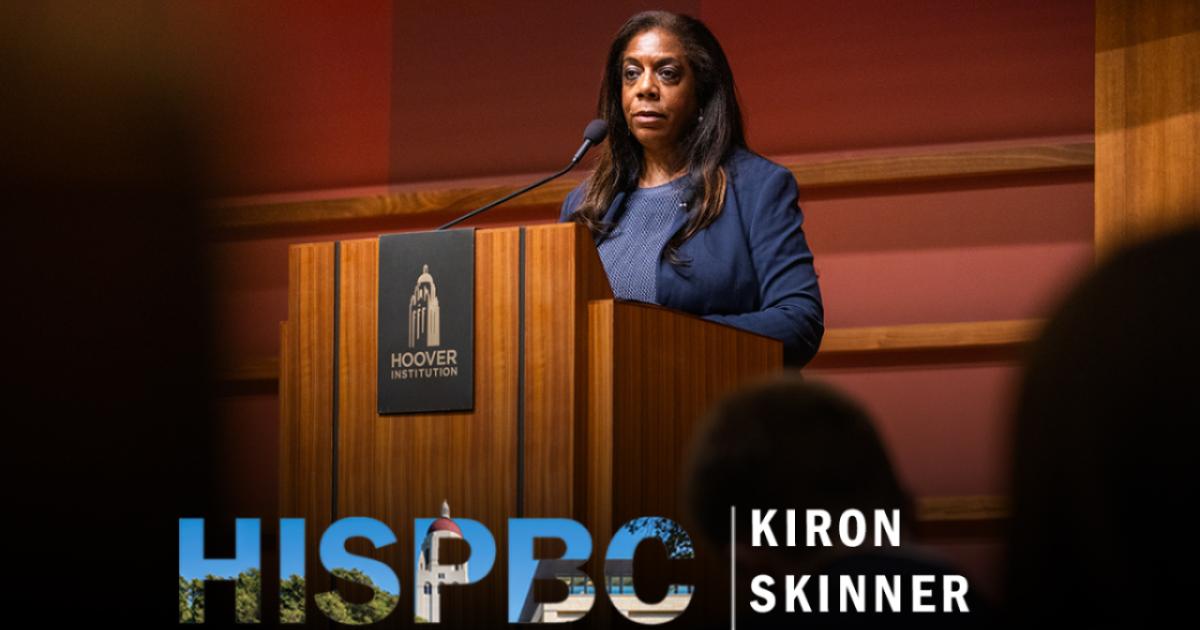
Learn more about Kiron K. Skinner here.
Recorded on August 14, 2025.
____________
The opinions expressed in this video are those of the authors and do not necessarily reflect the opinions of the Hoover Institution or Stanford University.
© 2026 by the Board of Trustees of Leland Stanford Junior University.