Published October 10, 2024
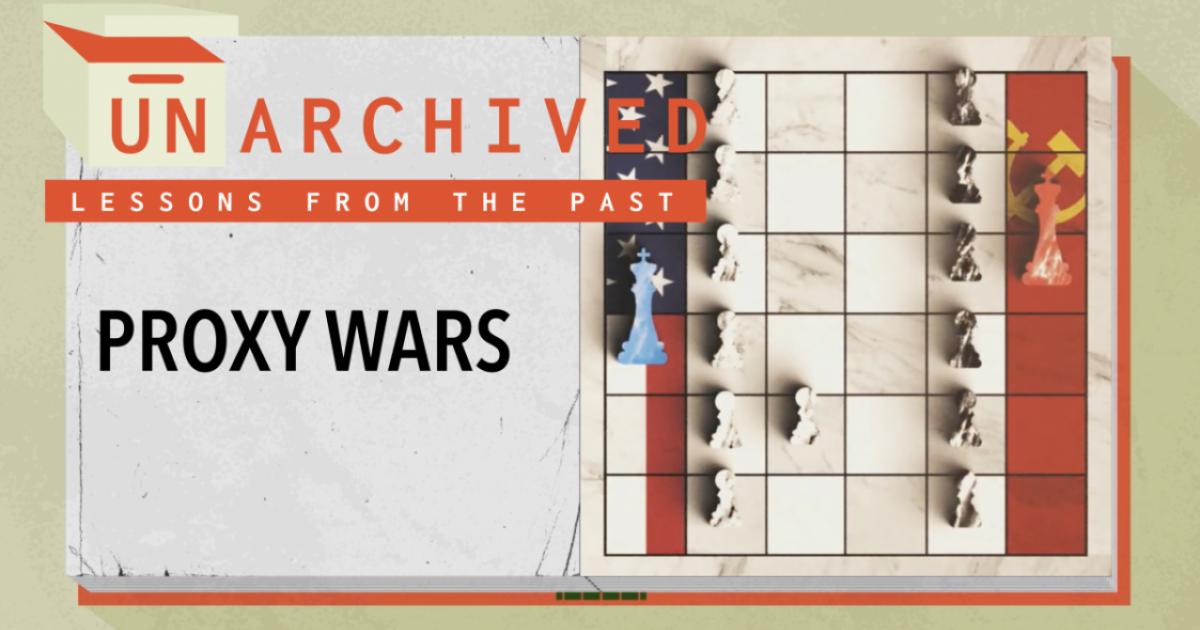
The United States finds itself already in one proxy war in Ukraine and dangerously close to waging two more proxy wars in the Middle East and Taiwan. Proxy wars have been waged for thousands of years and the United States is no stranger to them. Having both been a proxy and used proxies to its advantage and having experienced both success and failure in proxy wars, the United States must reflect on its past experiences before waging three separate proxy campaigns and to avert the devastating consequences of proxy warfare.
Learn more about proxy wars and proxy warfare from the Hoover Institution's military history publication, Strategika.
Check Out More from the Hoover Institution and PolicyEd on Warfare:
- Watch "Why We Should Study War" with Victor Davis Hanson here.
- Watch "What Does it Mean to Fight a Just War" from Gen. H.R. McMaster here.
- Watch "Why Nations Go to War" from Victor Davis Hanson and Kori Schake here.
The opinions expressed in this video are those of the authors and do not necessarily reflect the opinions of the Hoover Institution or Stanford University. © 2024 by the Board of Trustees of Leland Stanford Junior University.