Articles
Tokenization Of Real-World Assets: A Market Taking Shape
Managing the profound change demands harnessing advantages, mitigating risks, and creating careful legislation.
October 21, 2026

AUDIO ONLY Peter Robinson and Stephen Kotkin discuss Trump’s response to the COVID-19 crisis, Kotkin’s thoughts on the Chinese leadership class and the advantages they may seek to exploit, and which country—China or the United States—will come to represent the more successful or compelling model to other nations.

Recorded at April 1, 2020.
Stephen A. Kotkin is a professor of history at Princeton and a fellow at the Hoover Institution. Kotkin is one of the nation’s most compelling observers of foreign affairs, past and present, and is now working on the third and final volume of his definitive biography of Josef Stalin. From that perspective, Peter Robinson and Kotkin discuss Trump’s response to the COVID-19 crisis, Kotkin’s thoughts on the Chinese leadership class and the advantages they may seek to exploit, and which country—China or the United States—will come to represent the more successful or compelling model to other nations.
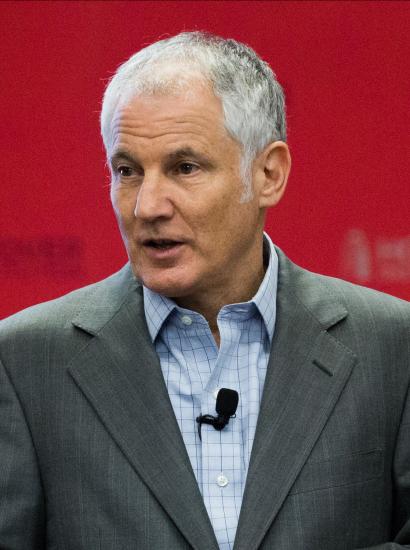
Stephen Kotkin
Articles
Managing the profound change demands harnessing advantages, mitigating risks, and creating careful legislation.
October 21, 2026
Videos
The Fed, inflation, and the economic case for long-term price stability.
October 20, 2026
Articles
Scott Kirby wants a national wealth tax and inheritance taxes near 100%. Among those who would pay are the investors he ultimately works for.
October 20, 2026