
Event
Geography, Technology, and the Extent of Markets: A Method with an Application to the Wealth of Nations
With Stephen Haber, Hoover Institution Park L. Loughlin Senior Fellow and Jordan Horrillo, Hoover Institution Fellow
April 23, 2026
Published: June 19, 2019
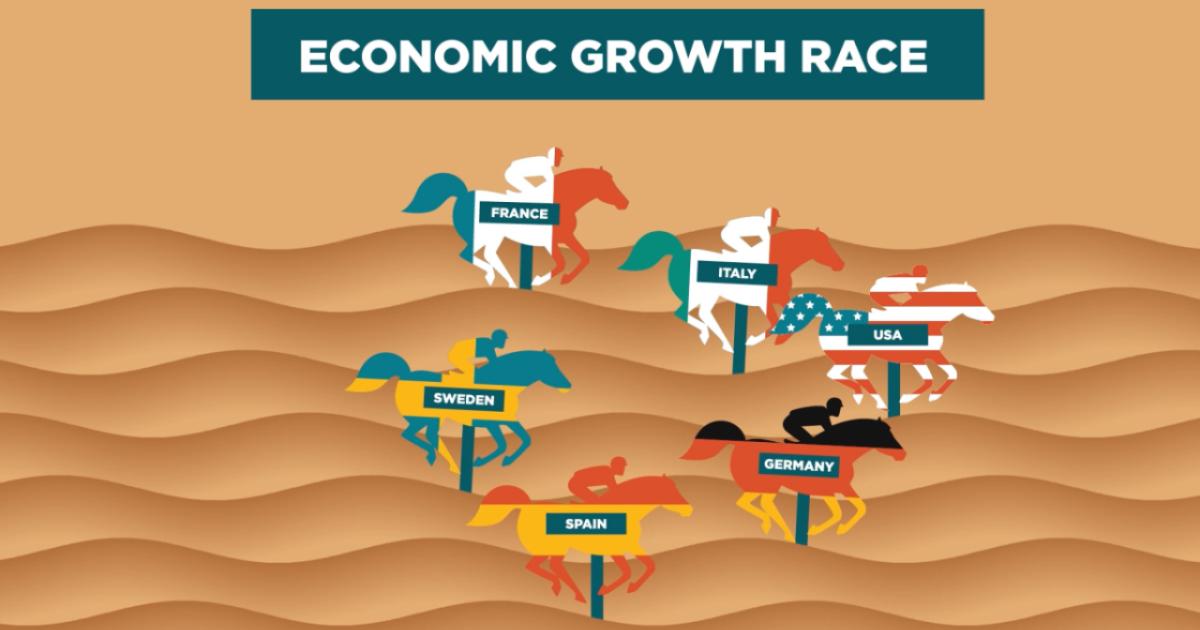
Many Americans support “democratic socialism” and point to Sweden as a successful example. However, Sweden’s experiment with socialist policies was a disaster that significantly reduced its economic growth for decades. To restore growth and prosperity, the country had to undertake major market-based reforms.
Discussion Questions
Additional Resources
Event
With Stephen Haber, Hoover Institution Park L. Loughlin Senior Fellow and Jordan Horrillo, Hoover Institution Fellow
April 23, 2026
Articles
The Golden State's Prop 40 wealth tax defeats itself.
October 9, 2026
Articles
The Toulouse School of Economics and the Banque de France are pleased to announce the winners of the 2026 Banque de France – TSE Prizes in Monetary Economics and Finance: Veronica Guerrieri (University of Chicago Booth School of Business) and Amit Seru (Stanford Graduate School of Business).
October 1, 2026